There are places that never learned how to stay on a map. They lived instead in directions. Named by distance, memory, and need. 23 miles northeast of Silverton.
My work blends fractal geometry, mosaics, memory, and music into reflections of how life repeats without repetition. Fractals reveal unity within complexity.
Antelope Flat functioned as a micro-community, even if it never incorporated or left much of a paper trail. It is what historians often call a service node rather than a town
Baseball teams in places like Antelope Flat served multiple roles: Recreation, reputation, and inter-community bonding.
Gas pumps with hand pumps and glass measuring gauges, known as Visible Gas Pumps, worked by manually pumping fuel into a large, calibrated glass globe atop the pump.
Gravity-fed fuel systems were common in automobiles before mechanical fuel pumps became standard in the late 1940s. On steep grades, fuel starvation could occur
Numerous temporary bombing and gunnery ranges were established across West Texas and eastern New Mexico. One of these practice bombing ranges was near Antelope Flat
The CCC was very active across the Panhandle from 1933–1942, including Briscoe, Hall, Donley, and Randall counties. Local work included windbreaks and shelterbelts.
Census records require that we look beyond “town” names. Antelope Flat may appear as a precinct, or a farming community listed under a nearby town.
YouTube videos of unusual occurrences in the Panhandle
YouTube videos of irrigation.
Daily Life – Maybe these activities didn't happen every day, but they were typical tasks. Some varied by the time of year, and some were truly everyday occurrences.
These images show a mixed flock; chickens in various stages, some already processed. It shows a simple outdoor setup: scalding pot, plucking, and a dirt yard.
This is one of the most culturally important attributed , all pitching in to help a neighbor. “If one of us falls behind, we all fall behind."
Crop dusting expanded reach. Aerial spraying meant fields were large enough to justify it. It introduces chemicals entering the system on a large scale.
The pictures were probably taken because irrigation was new enough to be notable.. Irrigation itself was the subject, not crops, not scenery, not people.
Brice was still communal, still embodied, and still land-literate, but already mechanized, electrified, and connected to regional systems.
Deep plowing after cotton harvest served to bury stalks for pest control, especially boll weevil. It also incorporated residue and to reset the soil surface.
Radio and electric light did not politicize rural America in a crude sense. They did something quieter; they trained people to listen together.
Electricity didn’t arrive as convenience. It arrived as astonishment. Electricity didn’t merely add light — it re-tuned time.
This is a time when electricity exists, but not in abundance. Clothes dryers are unnecessary or uneconomical. The sun and wind are still collaborators.
Everything visible serves shelter, fuel, food, or labor. This is not pioneer hardship or modern consolidation. This is a balanced system that is human-scaled.
TX-256 is a state-maintained connector, upgraded mid-century. It crosses the Prairie Dog Town Fork of the Red River, and was rebuilt earlier than many county roads.
A regular farm activity the entire family would participate in was hoeing cotton. This was done in the heat of summer and the middle of the growing season.
This is a list of the pages on this site:
In the slower seasons, when fields waited, hands turned inward. Crochet hooks traced patterns that were not written down. Afghans, sweaters and doilies grew.
This is an exploration of the history of Brice, Lakeview, Clarendon, and Lakeview in the years between 1935-1960.
Lyrical essays are an intentional contrast to analytical essays. Lyrical essays border on poetry. However, the intention is the same; to inform and to encourage thought.
When the bridge failed, it didn’t end visiting. It revised it. Cars came as far as they could. "We’re coming over. Meet us at the bridge."
Morning and evening moves of irrigation sprinklers dictated time discipline. This is where farming stopped being seasonal and became continuous responsibility.
Mumbo-Jumbo and technical information, such as the privacy policy, page index, author biography and other such mumbo jumbo.
If you leave a comment on our site you may opt-in to saving your name, email address and website in cookies. These cookies will last for one year.
“Harvest time.” Two words. No elaboration needed. That implied that everyone in the room understood the stakes. Because the harvest was urgent.
The land did not ask to be conquered. Rows were drawn not as lines of dominance but as agreements with wind and water, with what would grow if given half a chance.
Before we knew the names of things, we knew how they felt. We called them stickers— goatheads, sand burrs, anything sharp enough to stop a barefoot child mid-stride.
The plants and animals around Brice are a very specific ecological mix — where short-grass prairie, sandy draws, and disturbed farmland overlap.
Older crossings often sat on county roads, section lines, and routes that made sense for who lived there, not who passed through.
In the Panhandle before widespread irrigation, farming was event-driven, not clock-driven. Rain determined not just yields, but moods, debts, and futures.
A town is not a point. It is a pattern. Brice was a household. Clarendon was a room. Lakeview was a hallway. Memphis was a door. None sufficient alone. All necessary together.
The eastern Texas Panhandle didn’t support isolated self-sufficiency. Distances were long. Population was thin. Each town specialized — not by planning, but by necessity.
The plants and animals around Brice are a very specific ecological mix — here are a few a few details about each plant of the area.
New equipment wasn’t bought sight-unseen; it was demonstrated. Farmers gathered for the demonstration because capital investment was serious and mistakes were costly.
These are from the home movies of my ancestors. The original 8mm film footage was probably taken about 1955-62, mostly on the land they farmed near Brice, Texas.
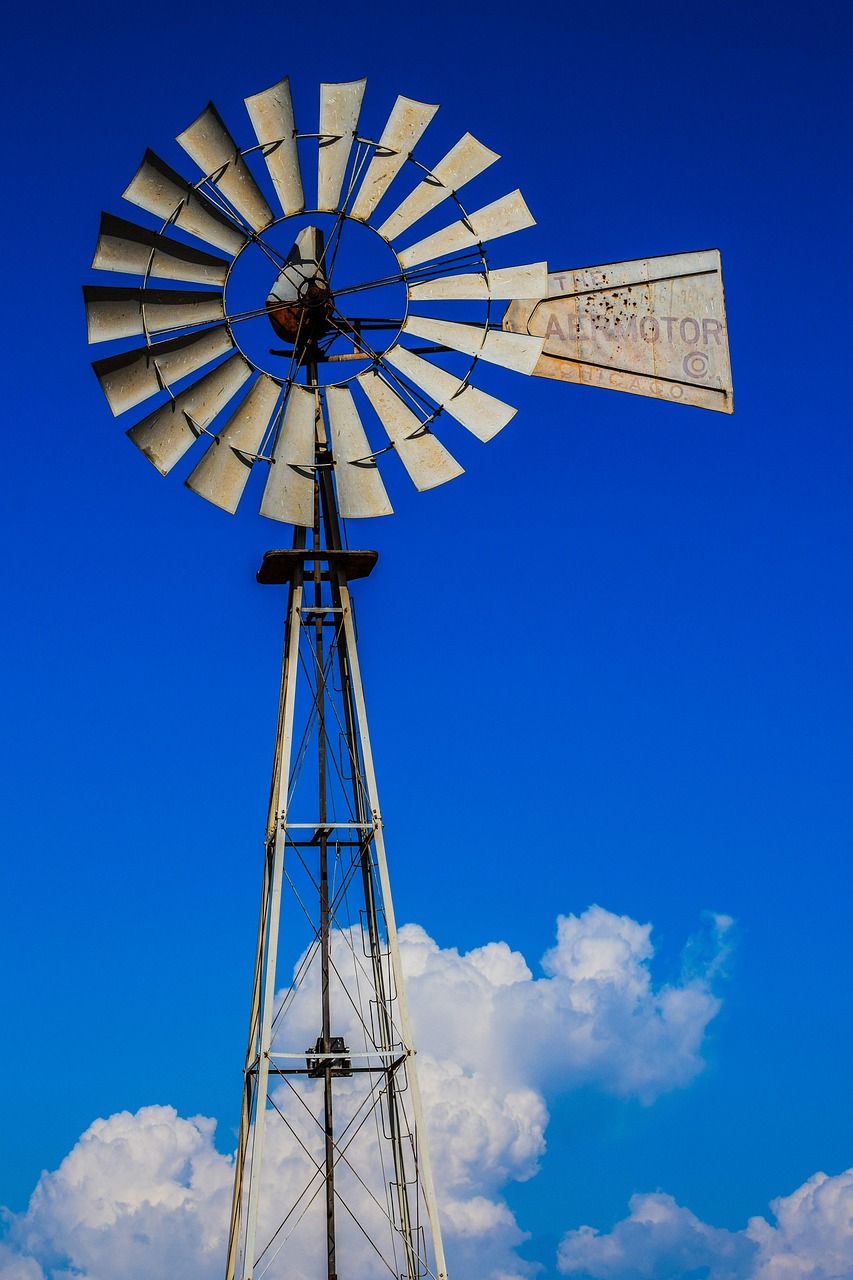
Water arrived by effort. It did not come to the house; it was invited, persuaded, lifted. Essential. Life-giving.
If daylight was a global rhythm, electric light introduced local control. An electric switch is a hinge between nature, intention, and given time or chosen time.
This shows the windmill being drilled on the home place. Before this, water had to be hauled, and heated by fire.
This is not a place for argument, but for insight. You are not commenting on the work, you are joining it — offering a reflection to the shared field.