When the Sun Was the Clock
The Changing of Time
Before electric light, farm life obeyed a solar grammar. Work began at first usable light, meals followed daylight and not the clock. Winter compressed life inward; summer expanded it outward with the length of daylight. Darkness was not an inconvenience — it was a boundary.
After sundown, outdoor labor stopped, indoor tasks were limited and precious. Lamp light was rationed — every wick burned money and effort. This imposed a natural punctuation on the day. You didn’t choose when night came; it came upon you.
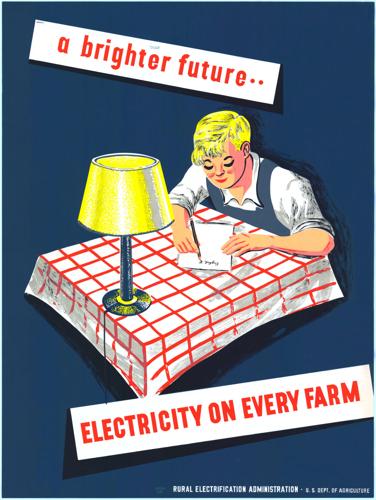
The First Shift: Evening Moves Indoors
Daily rhythms shifted indoors. Electric lighting didn’t extend field work much at first. Instead, it reclaimed evenings. On farms, the earliest changes were subtle but profound. There were longer evenings at the table and more time for repairing tools, mending clothes, reading, letter writing, and quiet conversation. What changed was not productivity at first — it was presence. Families were able to linger. Rooms that once went dark early now stayed alive. The kitchen became a social space after sunset rather than a place of last tasks before sleep. Electric light thickened time; evenings felt longer — not rushed, not fading.
Memory Changes When Darkness Retreats
Before electricity, memory clustered around events such as sunrise chores, supper, lamp lighting, and bedtime. After electricity, memory began clustering around activities instead. This subtle shift mattered. Darkness once enforced forgetting — you stopped seeing, so the day ended. Electric light allowed continuity: thoughts carried forward, stories stretched longer, and projects could be resumed after dinner. People remembered evenings more vividly because they were no longer half-lit, half-vanishing.
The change was neurological; that electric light felt like daytime. The brain read it as extended day. Sleep patterns changed. So did dreaming. So did storytelling.
Storytelling After Sunset: From Firelight to Fixture

Under oil lamps and firelight, stories were intimate, shadows moved, faces were half-known, and silence participated. Electric light flattened shadows. This had consequences. Stories became Longer ,more detailed, less mythic, more narrative, less dependent on atmosphere, and more on content. The room no longer conspired with the story.
Yet something else emerged; reading aloud, newspapers were shared after dark. Later there were radio stories. Electric light didn’t kill storytelling — it changed its posture from circle → table, from flame → page, and from myth → memory.
What Came Next After Lighting?
Lighting was only the gateway convenience. On farms, the next uses of electricity followed a clear logic: relieve labor and extend control.
- Radios — Often the first non-light electrical device was often a radio. News arrived daily instead of weekly. Weather forecasts changed planning. Music entered homes without instruments. This was revolutionary. Farms were no longer informational islands, and national time entered the local rhythm. Families began organizing evenings around broadcast schedules. Time became shared beyond the farm.
- Electric Pumps – A quiet but enormous change was the electric pump. Water no longer had to be hauled, indoor plumbing became feasible, hygiene improved, and women’s labor decreased significantly. Some of the things that changed were morning routines, chore division, and health outcomes. Electricity didn’t just brighten rooms — it moved water.
- Refrigeration – Refrigeration altered food use. Before, there was daily or near-daily food preparation. Preservation was seasonal and labor-intensive. After, leftovers became normal, shopping cycles lengthened, and meals became less urgent. Time loosened its grip on eating.
- Washing Machines – Perhaps the most under-acknowledged revolution is that laundry shifted from an all-day ordeal to a background task. Mondays ceased to be physically punishing. Energy was freed for other forms of work — or rest. Electricity redistributed human endurance.
- Barns and Outbuildings – Only later was electricity used outside. This included barn lighting, milking machines, feed grinders, and later electric fencing. Outdoor production expanded, but carefully. Electricity did not replace daylight — it supplemented it, like a second sun that was used sparingly.
The Deeper Shift: Control Over Time
What electricity ultimately changed was not work hours, but agency. Before electricity, day dictated action, night enforced rest, and memory followed light. After, humans negotiated with time. Night became optional and memory became continuous. People no longer said “When the sun went down…” They began saying “After supper…” That’s a cultural pivot.
An Overview
If daylight was a global rhythm, electric light introduced local control. An electric switch is a hinge between nature and intention, and given time or chosen time. Communal rhythm and personal agency became possible. Electricity didn’t defeat nature; it nested within it. On farms, electricity did not turn night into day. It turned night into possibility. People didn’t work harder at first. They remembered more. They spoke longer. They imagined further. In those newly illuminated evenings, something subtle happened. life gained margins — and in those margins, stories learned how to breathe.
Other dirt roads to travel:
One
Two
Three