Life in Brice
This is an exploration of the history of Brice, Lakeview, Clarendon, and Memphis in the years between 1935-1960. My Dad, great-grandparents and grandparents, aunts and uncles were raised there. I am interested in the history of the towns and how they were inter-dependent.
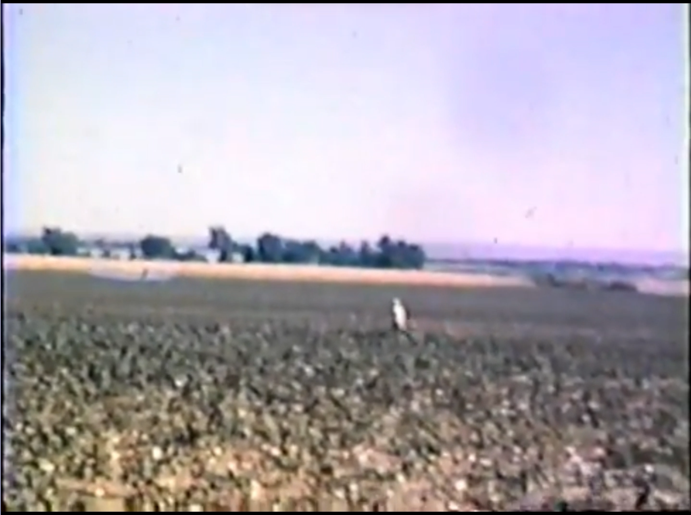
It also explores the timing and conditions under which electricity and irrigation were introduced to the farmland of this area, and the impact that had. Before irrigation, my grandparents and their neighbors were dryland farmers, and were at the mercy of the weather. After irrigation, my father, his parents and siblings would have to “move the pipe” every morning and evening to move the sprinklers to the next swath of coverage.
Also, parts of this will explore an area of the panhandle of Texas that was once known as Antelope Flat. It is just south of the Prairie Dog Fork of the Red River. My forefathers, grandparents, and my Dad once lived there.
I often say that “we stand on the backs of the giants who came before us”. Then I question “how do we want to live into that as a future?” We’re not standing on their backs —we’re standing in their posture. That posture showed up as how they showed up for neighbors, how they absorbed risk, how they shared burden, and how they accepted limits without surrender. Those are not abstract virtues. They are embodied choices,
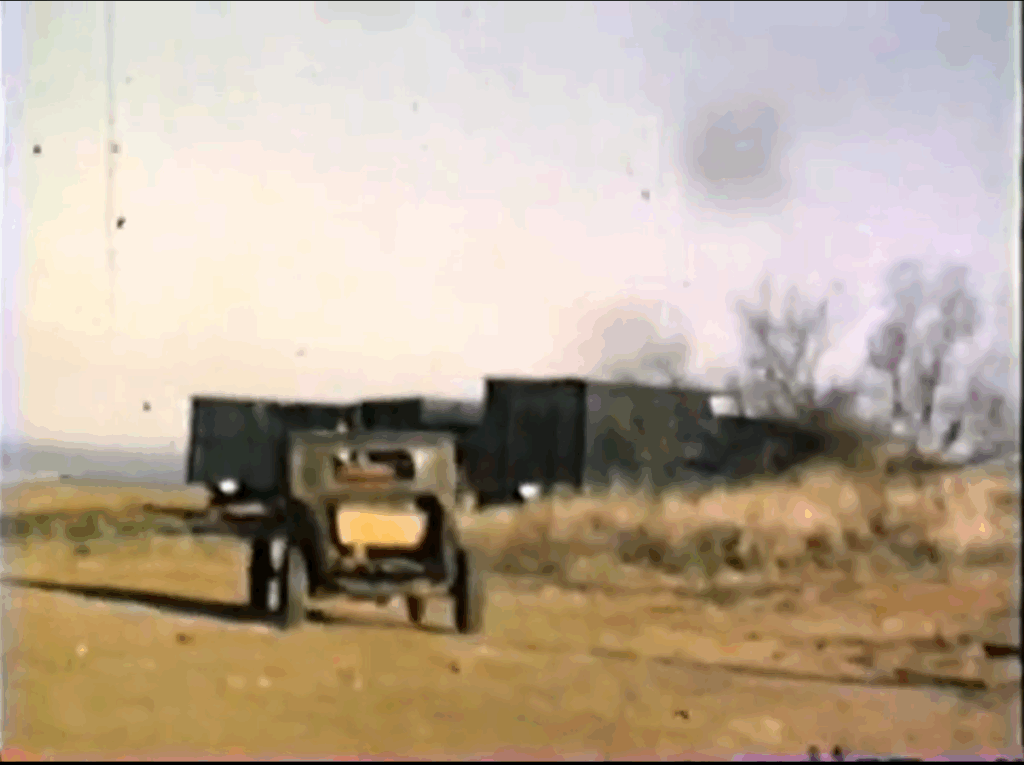
The giants we speak of weren’t towering because they dominated.
They were giants because they carried weight together — and left behind footholds instead of monuments.
“How do we want to live into that as a future?” That question is not answered by better technology, higher resolution, or faster systems. It is answered by where we place trust, how we distribute responsibility, and whether we leave room for human anchors. Progress isn’t about removing humans from the system. It’s about keeping humans visible within it.
The underlying intent of this website is to explore how everything is an expression of interconnectedness. This is an exploration of the interdependence of these towns at that time. Interconnectedness is not only a physical or social fact but a spiritual insight. It reveals that separateness is an illusion sustained by limited perception. In this sense, interconnectedness is not merely an idea; it is the living geometry of existence itself; a reminder that every part contains the whole, and the whole depends on every part.
The Interdependence of Brice, Lakeview, Clarendon, and Memphis
This is an exploration of the history of Brice, Lakeview, Clarendon and Memphis in the years between 1935-1960. This period is right in the seam where small communities still functioned as “daily life nodes,” but the regional gravity was pulling services into fewer towns. My Dad, my grandparents, aunts and uncles were raised there. My grandparents lived very near the Post Office in Brice. As I recall, it was not much more than two rooms with the postman and his wife living in the back room. I am interested in the history of the towns and how they were inter-dependent.
A landscape that requires interdependence
The eastern Texas Panhandle doesn’t support isolated self-sufficiency. It supports distributed living. Distances are long. Resources are uneven. Population is thin. So what emerged was not a hierarchy but a network of roles. Each town specialized — not by planning, but by necessity.
Interdependence, in plain terms (1935–1960):
- Brice was close-to-the-land daily life (mail, school, gin era trailing into consolidation).
- Lakeview was larger rural market, social “Saturday night” energy, later thinning.
- Clarendon was durable services, commerce, and institutions that absorb functions as smaller places lose them.
- Memphis was the place that met the larger outer world.
Not a ladder — a circuit
What’s important is this: these towns were not ranked. They were interdependent. A family could live in Brice, gin or sell in Lakeview, register, school, worship in Clarendon, and escalate to Memphis when needed. This created a circuit, not a ladder. Your family didn’t “move up” the towns. They moved through them.
Brice didn’t disappear because it failed. It receded because its purpose was relational, not monumental. Clarendon leaves records. Memphis leaves infrastructure. Brice leaves memory. And memory becomes its own form of permanence.
Interdependence, not decline
This is important—and often misunderstood: What happened between 1935 and 1960 wasn’t “failure.” It was concentration. Schools consolidate. Mail routes consolidate. Services consolidate. Roads improve, distances shrink
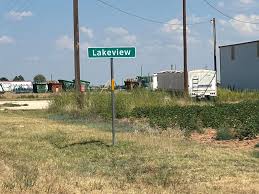
But the human memory doesn’t consolidate as neatly.
Brice, Lakeview, Clarendon, Memphis (1935–1960): a four-node ecosystem
Here’s the key idea that makes this period intelligible: These towns weren’t competing. They were specializing.
Brice — intimacy and immediacy
Brice in this period is: close-knit, small, deeply relational
Lakeview — social gravity, briefly sustained
Lakeview functioned as a market town, a social hub, and a place for Saturday night, commerce, and congregation. But Lakeview had already been wounded: It had repeated fires, Depression-era losses and later bank consolidation. So by the late 1940s–early 1950s, it’s holding on—but thinning.
Clarendon — institutional memory
Clarendon survives because it holds county functions, banks, equipment suppliers, churches, schools, and repair knowledge It becomes the place you have to go—not because you want to, but because systems now require it.
Memphis — the outward-facing node
Memphis enters the picture when: volume increases, regulation intensifies, markets expand, or specialization exceeds county scale. Memphis offered rail access, larger hospitals, broader commerce, regional governance, and connections beyond Hall County. You didn’t go to Memphis every week. But when you did, it mattered. Memphis is where the Panhandle touched the larger economy.
Functionality
Brice
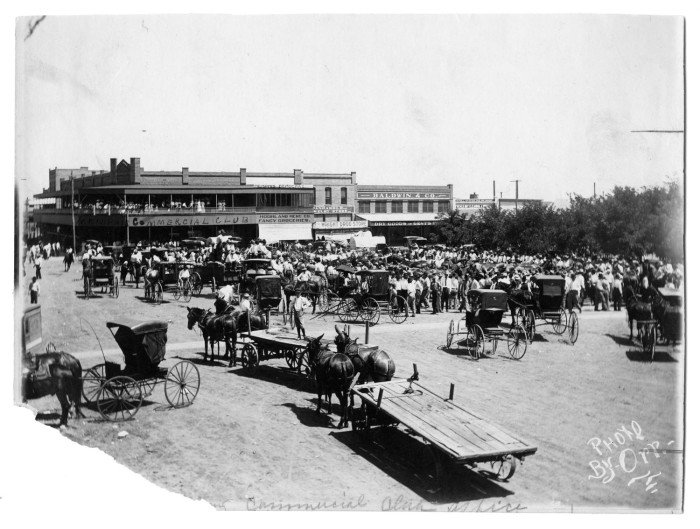
TSHA’s Brice entry is unusually specific and lverifies that there was a modest post office. The post office began (1899), moved to the historic Brice site in 1903, and Brice served a fertile farm area at its 1920s peak (stores, gin, school, churches). The key interdependence moments for your 1935–1960 window: Brice school consolidated with Lakeview in 1952 and that Brice post office closed in 1954. Mail was then routed through Clarendon
That single line—mail was then routed through Clarendon—quietly describes a whole new daily geography: fewer local errands, more driving, more dependence on the larger hub.
Brice was the lived-in edge
Brice was never meant to be complete. It was proximate, not central. Brice’s role was homes, fields, windmills, pens, irrigation, family labor, and seasonal rhythms. It was where life actually happened — daily, bodily, repetitively. Brice did not try to be: a courthouse, a market hub, a medical center, or a cultural anchor. It leaned outward by design. The post office wasn’t about volume—it was about: names, faces, rhythms, and trust. When Brice’s post office closed in the early 1950s and mail was routed through Clarendon, that wasn’t just administrative—it was existential. It said “Daily life now points elsewhere.”
Lakeview
Lakeview had already weathered big shocks before this time window. It had fires (1918, 1919, and again a business district fire in 1930). The Depression threatened it, but it had a brief surge in the late 1940s before declining. By the early 1950s, its bank merged with the First National Bank of Memphis (1953). Lakeview is one of the “middle” nodes—big enough to be lively, not big enough to keep every institution forever once consolidation began.
Lakeview was the agricultural hinge
Lakeview occupies a fascinating middle role. It was closer to the land than Clarendon, more commercial than Brice, and deeply agricultural. Lakeview handled gins, grain elevators, cotton traffic, seasonal labor, agricultural equipment, and field logistics. Think of Lakeview as a hinge town — where raw production met organized processing.
If Brice was where the work happened, Lakeview was where the work moved. This explains why family movement between Brice and Lakeview feels casual and frequent — it was.
Clarendon
Clarendon’s TSHA entry shows why it becomes the anchor. By 1950 it had 18 businesses, 10 churches, and a population of 2,577, and it’s described as an agribusiness and light manufacturing center (gins, hatcheries, farm/road equipment, etc.). It also notes WPA-era (probably Civilian Conservation Corps — CCC) work in the 1930s such as dams and terraces to manage flooding in town.
Clarendon was the civic spine
Clarendon functioned as the administrative and social backbone. It held the county courthouse, brand records, schools, churches, banks, doctors, newspapers, and supply stores. Clarendon translated rural life into records. When something needed a signature, a stamp, a diagnosis, a diploma, a sermon, or legal recognition — you went to Clarendon.
It’s no accident that brands are registered there, land deeds pass through there, and family milestones anchor there. Clarendon was the place where life became official.
The Fractal Town
A town is not a point.
It is a pattern.
Brice was a household.
Clarendon was a room.
Lakeview was a hallway.
Memphis was a door.
None sufficient alone.
All necessary together.
At the smallest scale:
a family shares labor, food, memory.
At the next:
neighbors share roads, windmills, brands, weather.
Then towns share roles —
one holding records,
one holding grain,
one holding quiet.
Zoom out and the pattern repeats.
Amarillo becomes a Clarendon for the Panhandle.
Texas becomes a Lakeview for the nation —
production, movement, exchange.
The United States becomes a Brice for the world —
vast, resource-rich, unfinished,
still learning how to live inside its own abundance.
Same structure.
Different scale.
This is the fractal truth:
what fails at the small level
cannot be repaired at the large one.
If a household forgets care,
a nation cannot invent it later.
If a town forgets responsibility,
a state cannot legislate it back into being.
But if integrity exists in the smallest unit —
a family that shows up,
a class of thirteen that still gathers,
a man who knows which end of the pipe to watch —
dirt roads to travel then that integrity echoes upward,
self-similar,
scale by scale.
Animals of the Brice Area
The plants and animals around Brice are a very specific ecological mix — one that only really makes sense on the southern High Plains / Red River breaks, where short-grass prairie, sandy draws, and disturbed farmland overlap. It’s an edge ecology where prairie meets disturbance, where people, cattle, water, and weeds overlap Here are a few a few details about each of the animals of this region.
Horny toads
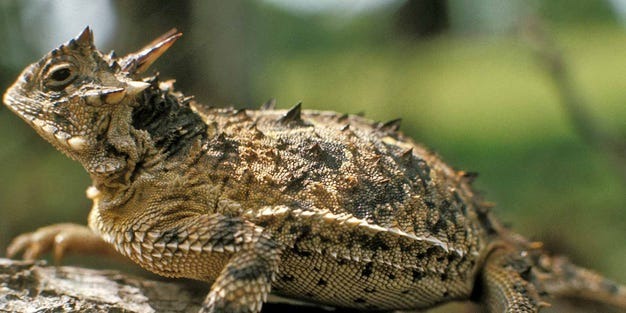
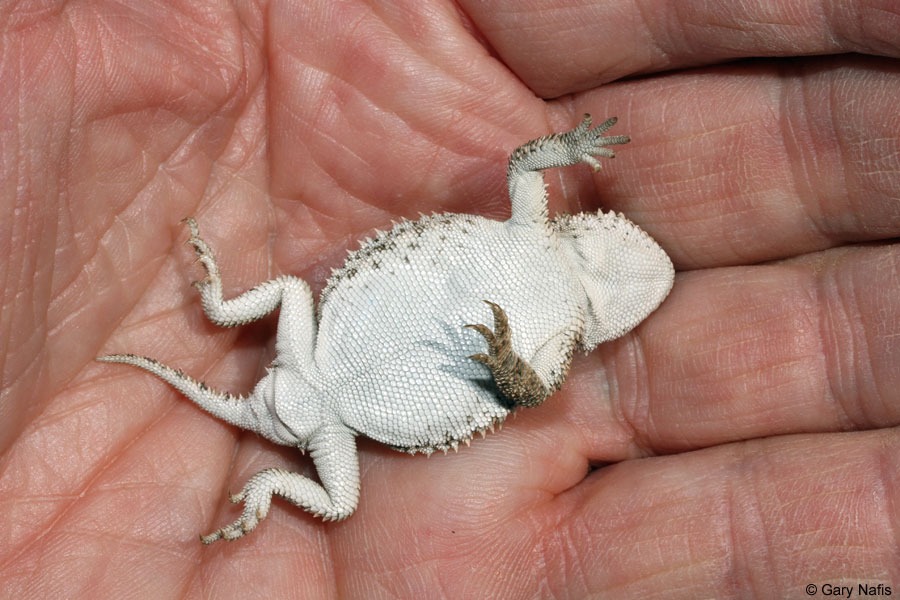
Horny toads have a very prehistoric look. They also have what looks like a healed incision or stitches down the belly. That is actually a central ventral seam where the abdominal scales meet. It is often darker or more pronounced. That “scar with stitches” is real. It’s the central abdominal seam where the body plates meet — a natural suture line, not an injury.
The horny toad has a blood-squirting defense that is rare to witness. It shoots blood from tear ducts and is usually aimed at predators (especially canines). Most children never saw it and many adults have only heard about it. During the time that horny toads were common, then, native ants were still present, fire ants had not yet taken over, pesticide use was lighter, and fields were less chemically managed.
Jackrabbits
Jackrabbits (black-tailed jackrabbit, Lepus californicus) were abundant on the High Plains through the 1930s and into the early 1940s—sometimes explosively so. Periodic “rabbit drives” were common across West Texas, Oklahoma, and New Mexico. People remembered the ground moving.
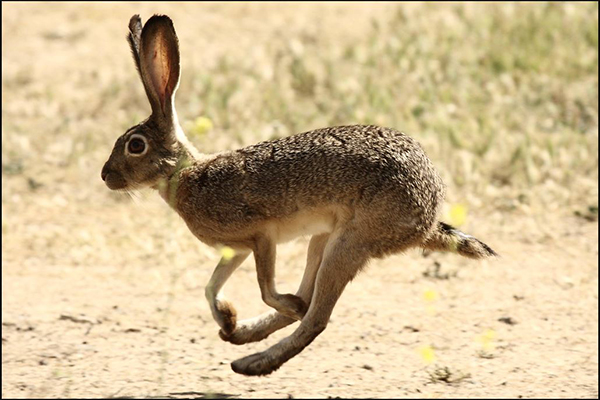
Rabbit fever is the colloquial name for tularemia, a bacterial disease carried by rabbits, ticks, and deer flies. It was well known locally—often as hard-earned knowledge rather than medical theory. Key folk rules that were medically sound: don’t eat rabbits until after a hard freeze (cold reduces disease vectors). Don’t handle rabbits with open cuts, don’t eat rabbits found dead or behaving oddly.
The decline of jackrabbits came from several converging forces: mechanized agriculture (plowing destroyed cover and nesting areas), rodent control programs (poisons didn’t discriminate), irrigation changing vegetation structure, road networks increasing mortality, and disease cycles themselves (tularemia periodically crashes populations). By the late 1950s, jackrabbits were still present—but no longer defining the landscape the way they once were.
Rattlesnakes

In the Brice–Antelope Flat–Clarendon region during the 1930s–1950s, the dominant rattlesnakes wass mostly the prairie rattlesnake (Crotalus viridis) – more common north and east of the Caprock. The western diamondback (Crotalus atrox) became increasingly common south and west, especially as cultivation expanded. Both thrived in shortgrass prairie, sandhills, draws, and creek beds—exactly the margins where farming met wild ground.
Rattlesnakes were seasonal (most active late spring through early fall),\ and ususally predictable (sunning near rocks, culverts, windmill pads, and brush piles). They were respected as much as feared. They were not mythologized. They were managed. A rattlesnake encounter carried no romance. You learned where not to put your hands and you watched where you stepped near water, woodpiles, or shade. You killed them when they were too close to the house or stock.

Rattlesnakes controlled rodents (rats, mice, young rabbits), which carried disease vectors long before anyone used that phrase. Farmers didn’t call this ecology. They called it balance. Their numbers fell sharply due to mechanized plowing, irrigation, and rodent poisoning. Like jackrabbits, rattlesnakes declined when the land stopped being edge and became system.
Bobcats
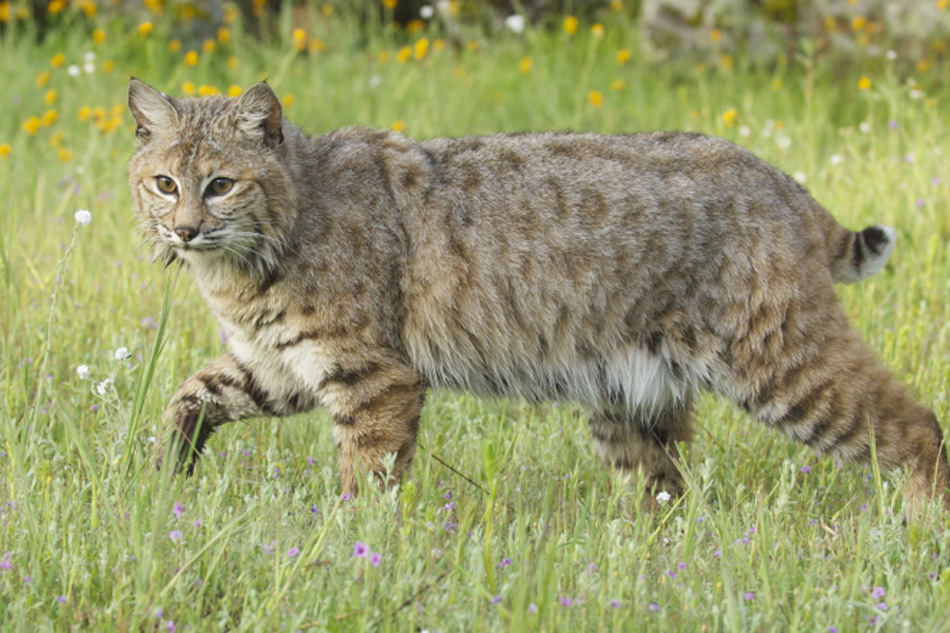
The bobcat has distinctive black bars on its forelegs and a black-tipped, stubby (or “bobbed”) tail, from which it derives its name. It reaches a total length (including the tail) of up to 50 inches. It is an adaptable predator inhabiting wooded areas, semidesert, urban edge, forest edge, and swampland environments. It remains in some of its original range, but populations are vulnerable to eradication by coyotes and domestic animals.
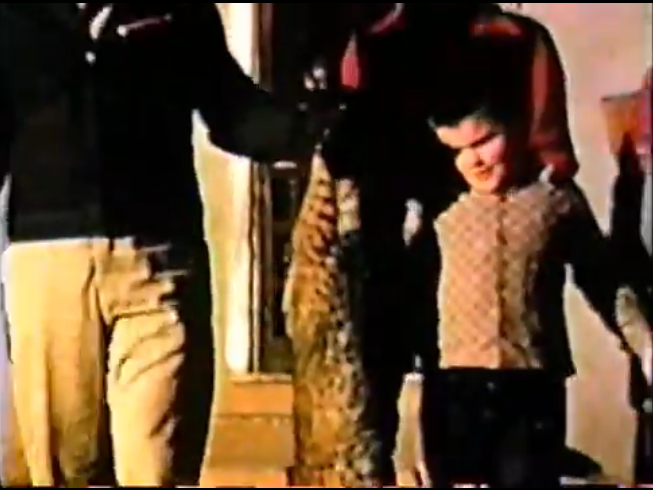
Though the bobcat prefers rabbits and hares, it hunts insects, chickens, geese and other birds, small rodents, and deer. Many a panhandle chicken has fallen prey to a bobcat!
Prey selection depends on location and habitat, season, and abundance. Like most cats, the bobcat is territorial and largely solitary, although with some overlap in home ranges. It uses several methods to mark its territorial boundaries, including claw marks and deposits of urine or feces. The bobcat breeds from winter into spring and has a gestation period of about two months.
The Plants of Brice
Plants of the Brice Area
The plants and animals around Brice are a very specific ecological mix — one that only really makes sense on the southern High Plains / Red River breaks, where short-grass prairie, sandy draws, and disturbed farmland overlap. It’s an edge ecology where prairie meets disturbance, where people, cattle, water, and weeds overlap Here are a few a few details about each plant of the area.
Mesquite
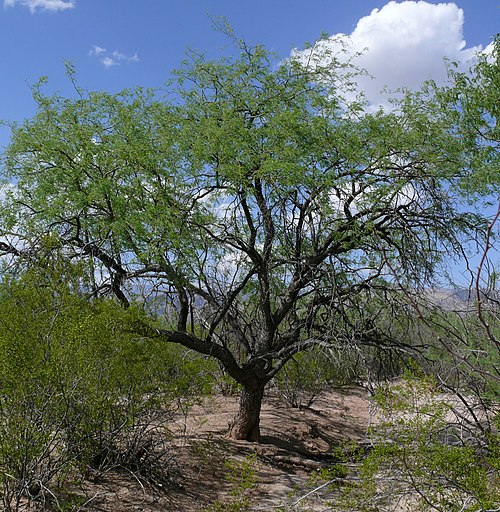
Mesquite is a tree, not a bush — but one that behaves like a bush when cut or grazed. It has a deep taproot that can reach 100+ feet. It is a nitrogen fixer that converts inert atmospheric nitrogen gas into usable forms like ammonia or nitrates, enriching the soil for other plants. It thrives in disturbed soils. Mesquite expanded aggressively after fencing and fire suppression. Older generations often remembered when it wasn’t there yet — which tells you something about land-use change.
Sand burrs
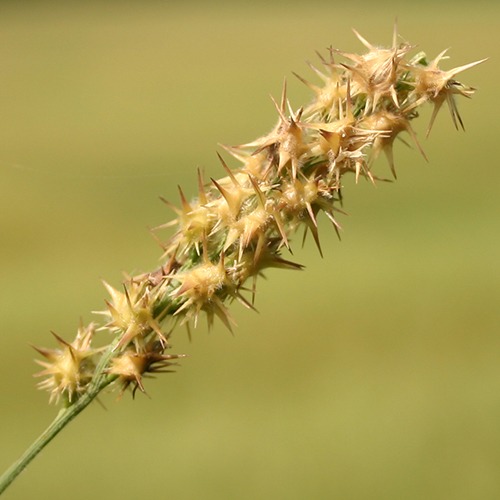
Sand burrs (Sandbur grass) is a native grass with seed burrs designed to hitch rides. It provides punishment for anyone walking barefoot and spreads its seed by hitching a ride with clothes and socks. It is one of the first plants to grow in disturbed sandy soils — roadsides, field edges, cattle paths.
Goatheads

Goathead (Puncturevine) is an invasive, and is not native. It came west with railroads, wagons, and vehicles. It grows flat to the ground, has many leaves along each stem, and has small yellow flowers that turn into its seed (the goathead, named for it resemblance to a goat’s horns). The thorn is very hard and was also a nemesis of the barefoot. If tires or inner tubes were thin, it could puncture them.
Cockleburr
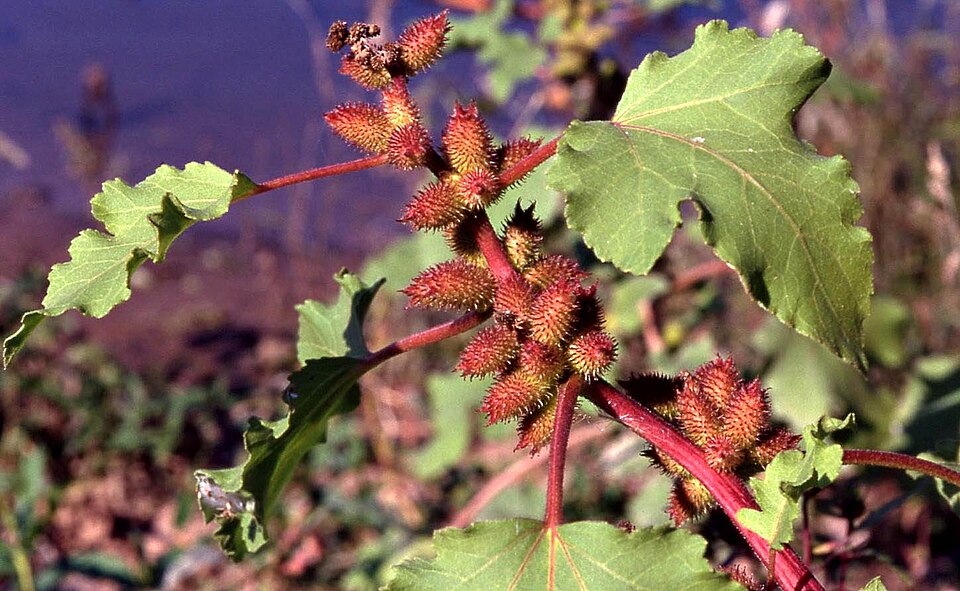
Cocklebur (Xanthium strumarium) was less painful than other stickers — but sneakier. It had large, rough burrs with hooked spines. It would cling to clothes, socks, dog fur, and cattle hides. It was a nuisance weed rather than a field-killer. Cockleburs didn’t usually ruin crops, but they traveled — home, barn, bed, truck seat. They remind me of the things that don’t hurt much, but refuse to stay where they belong.
Stickers
Sand burrs and goatheads were “stickers”. No one differentiated. Pain didn’t need taxonomy. A sticker meant that Grandma got the needle and there was a ritual extraction. That’s prairie medicine, learned early.
Jimsonweed
Datura, Jimsonweed or loco weed (Datura stramonium) is a native annual with large white trumpet-shaped flowers. It has spiny seed pods. It grows near corrals, tank edges, manure-rich soils — human-adjacent wilderness. It is highly toxic, hallucinogenic, medicinal and dangerous.

Jimson weed was feared, not studied. It was known locally only as poison. It was especially dangerous to cattle and was associated with erratic behavior (“crazy cows”). No one talked about alkaloids or hallucinations. That was city knowledge. On the farm, the rule was simpler — if it makes the animals sick, keep it out of the field.
Devil’s Claw
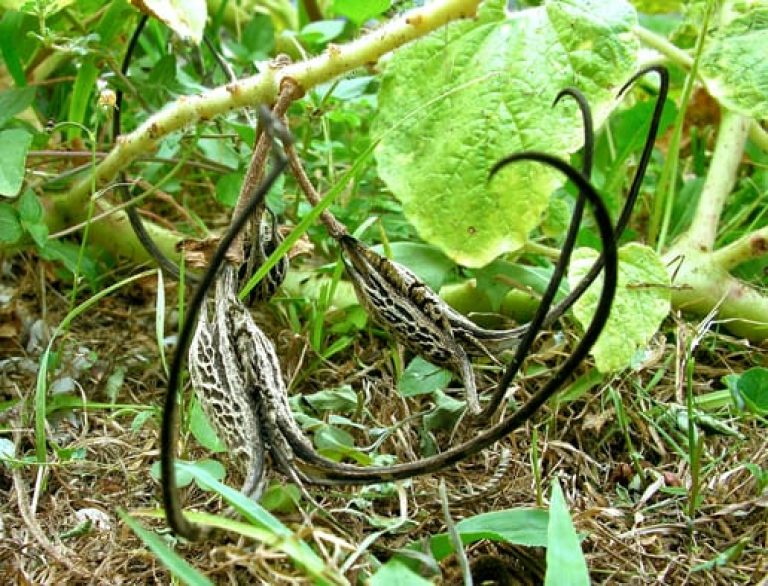
Devil’s Claw is a native Low-growing plant with hooked seed pods. These seed claws are unforgettable for their shape and for how they will hook around an ankle. It was used by Indigenous peoples for medicine and basketry dyes. Devil’s claw seeds are not poisonous and were sometimes chewed experimentally and were used in folk remedies. The seeds were handled constantly as they were hard to resist fiddling with. It is an annual plant found in arid areas that produces sticky leaves, orchid-like pink or lavender flowers, and distinctive curved, hooked seedpods; it’s drought-tolerant and thrives in full sun in sandy or gravelly soils.
Buffalograss
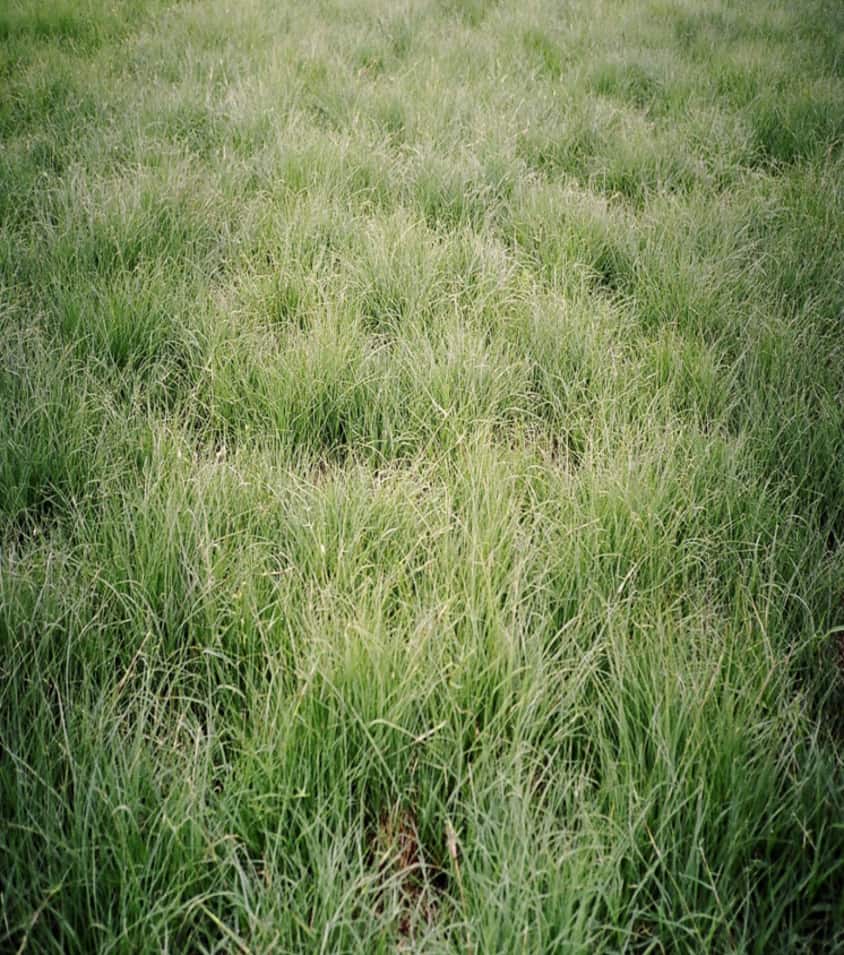
Buffalograss is the real native lawn of the High Plains. It is short, curly, tough and is under nearly everything. It is yellow-green, curly, low and soft when healthy. It turns straw-colored in drought. Buffalograss is a warm-season, perennial native grass that forms a sod and the mature height is generally 8 inches or less. Buffalograss is native to the Great Plains from Canada to Mexico. Buffalograss is a dioecious species having separate male and female plants. The male plant, when flowering, has an erect stem with a flag-like spike. The female plant forms a burr below the canopy which contains and the seed.
Tumbleweeds
Tumbleweeds are iconic, wind-blown plants, primarily the invasive Russian thistle (Salsola tragus). They dry out, break from their roots at maturity, and roll, dispersing seeds across the landscape. They symbolize desolation in pop culture but act as agricultural pests and fire hazards. They grow as green shrubs, then die, dry, and detach at the base, becoming a skeletal ball of branches.
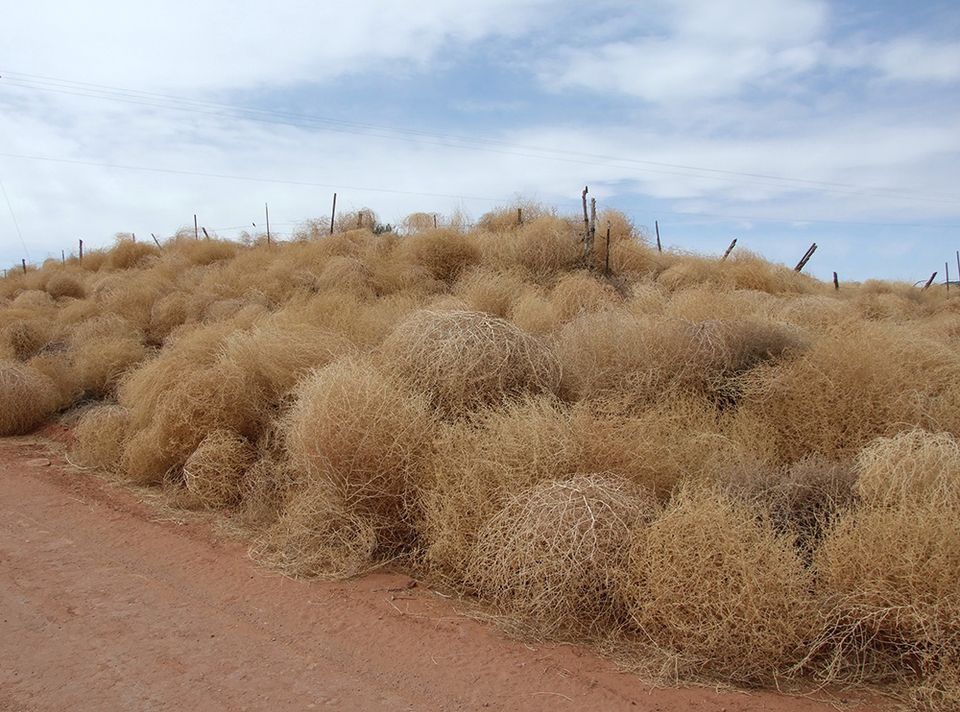
Introduced accidentally from Eurasia, they thrive in disturbed soils, releasing up to 250,000 seeds per plant and posing challenges for farmers. The most common tumbleweed, Russian thistle, arrived in the U.S. in the 1870s via flax seed shipments from Russia. It become one of the fastest plant invasions in U.S. history. At one time, their tender shoots were once used for emergency forage during the Dust Bowl. Classified as an invasive species, they are detrimental to agriculture and native plants. Their dry, bushy nature makes them highly flammable, contributing to wildfire spread. Despite being pests, they are a famous symbol in Western movies, representing emptiness or isolation, and even used for holiday decorations.
Blue grama

Blue grama was almost wheat-like. It had one-sided seed heads (“eyelashes”). It was an iconic shortgrass prairie species. Blue grama accounts for most of the net primary productivity in the shortgrass prairie of the central and southern Great Plains. It is a green or greyish, low-growing, drought-tolerant grass with limited maintenance.
Prickly pear cactus
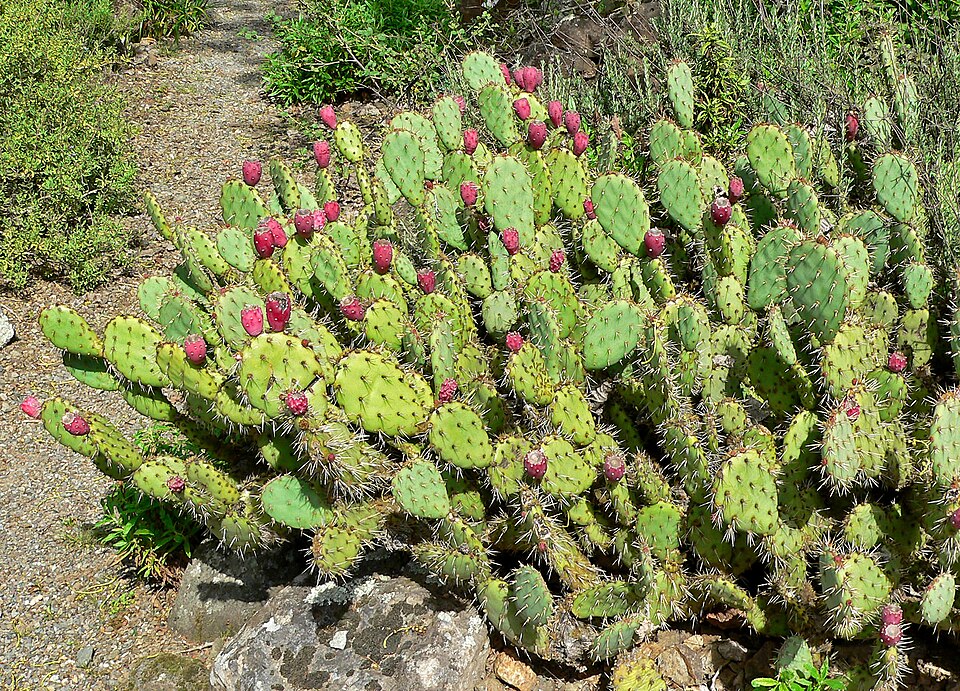
Prickly pear cactus was very widespread across Texas and the southern Plains. It sows up anywhere with good drainage, sun, and grazing pasture. It’s one of those plants that quietly says, “Yes, people have been here a long time.” It had edible pads and fruit if you know how and is said to have been fed to livestock to survive during lean years. It also provided for childhood dares and livestock respect. It is the most widespread cactus genus, thriving in diverse arid, semi-arid, and even sandy coastal/prairie habitats, with many species extending far north.
Stickers and Horny Toads
Before we knew the names of things,
we knew how they felt. We called them stickers—
goatheads, sand burrs, anything sharp enough
to stop a barefoot child mid-stride.
No distinction mattered. Pain was the classifier.
When the foot came up, Grandma would sigh,
reach for the needle,
and the ritual began.
Careful probing. A breath held.
The quiet relief of removal.
The body learning that attention can heal.
That was education.
The land taught the same way—
through consequence, not explanation.
Yucca stood like punctuation marks,
rigid leaves radiating patience,
then suddenly, in the right year,
lifting a tall stalk crowned with white bells
as if to say: Pay attention. Something has changed.
Buffalograss curled close to the earth,
yellow-green, forgiving,
never trying to be more than it needed to be.
Prickly pear waited along the margins,
unimpressed by drought,
carrying sweetness inside armor.
And then there were the horny toads.
They were everywhere once.
Stillness disguised as stone,
until the earth itself blinked
and revealed eyes.
You could pick them up carefully,
their bodies cool and solid,
their spines warning without threatening.
Turn one over, and there it was—
that strange line down the belly,
like a healed incision,
like stitches from a surgery no one remembered.
Even as a child, it felt important.
A mark of having been made whole.
We heard stories that they could spit blood,
but most of us never saw it.
The story was enough.
Truth didn’t need proof to be respected.
Then, quietly, things shifted.
The ants changed first.
Red ants appeared—not many at first,
just one mound where there hadn’t been one before.
Grandpa didn’t argue with them.
He didn’t study them.
He poured gasoline down the hole,
lit the match,
and watched the flame settle the question.
Usually there was only one mound.
That’s what matters now.
Not the method,
but the scale.
Because when the ants multiplied,
the horny toads faded.
When chemicals grew stronger,
the land grew quieter.
No announcement was made.
Looking back, it’s clear:
we were living inside a balance
without knowing its name.
The stickers taught caution.
The needle taught care.
The ants taught finality.
The horny toads taught stillness.
And the land—
the land taught that everything leaves a mark,
even when it looks like nothing happened at all.
The Civilian Conservation Corps (CCC) in this region
The Civilian Conservation Corps (CCC) was a New Deal public works program (1933-1942) that provided jobs for unemployed young men or farm workers during the off-season during the Great Depression. It put them to work on natural resource conservation projects like planting trees, building parks, and fighting fires, while also offering income, skill-building, and a sense of purpose. The program significantly helped in the developing America’s park systems and public lands. Its purpose was mainly to provide work relief for young men from relief families and to conserve natural resources. Most earned $30/month (most sent home), received housing, food, and clothing, and gained valuable work experience and education.
The CCC in the Panhandle
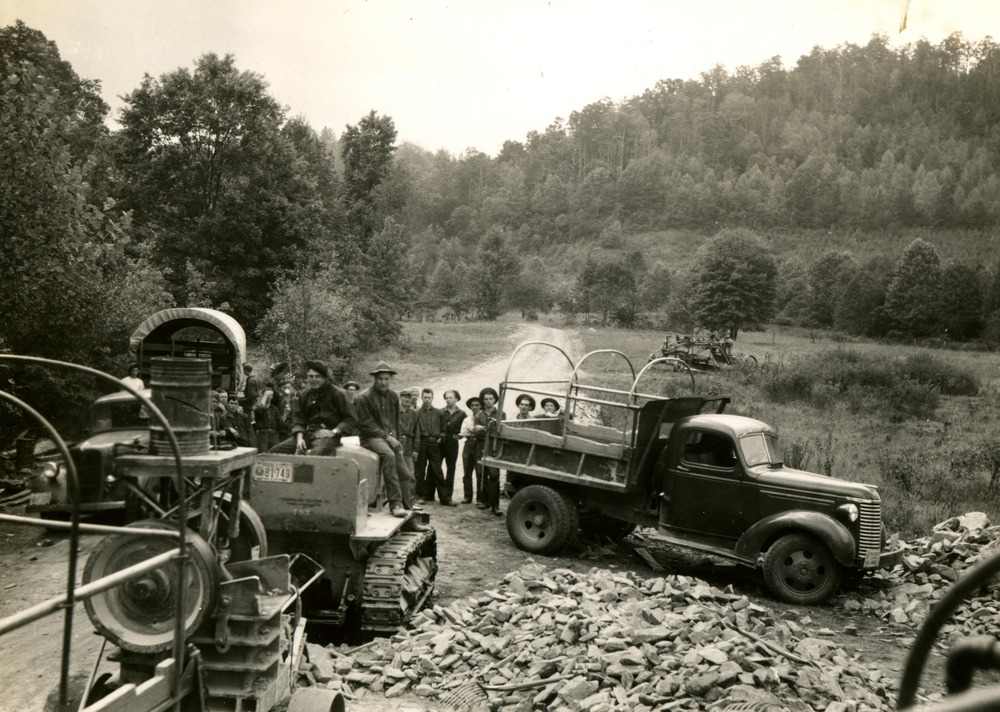
The CCC was very active across the Panhandle from 1933–1942, including Briscoe, Hall, Donley, and Randall counties. Typical CCC work locally included soil erosion control (terracing, contour plowing), windbreaks and shelterbelts, road and bridge construction, stock tanks and small dams, and park development (especially Palo Duro Canyon). People often participated “for a while,” and many men cycled in and out depending on farm needs, weather, and family obligations. The CCC is one of those quiet forces that reshaped the land without leaving many monuments—its work is still visible mostly in how the land didn’t blow away.
Community Planting for a Sick Neighbor
This is one of the most culturally important attributed o this place and time. What strikes me from these images is the contrast between new equipment and worn equipment, but all pitching in to help a neighbor. This is reciprocal labor, moral economy, and survival through solidarity. There are no contracts, no charities, and no spectacle. There is only the shared understanding that “If one of us falls behind, we all fall behind.” This practice faded rapidly once farms grow larger, labor became more specialized, and schedules became tighter under irrigation’ This is showing a social system near its peak coherence.
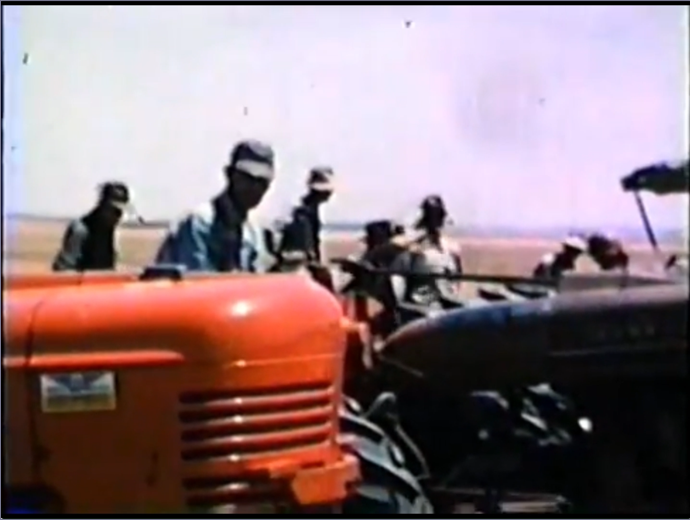
“The contrast between new equipment and worn equipment, but all pitching in.” That contrast is not incidental — it is the entire story.
Across the pictures, we see newer tractors with cleaner paint, standardized grills, older tractors with visible wear, mismatched parts, improvised canopies, and different brands and eras operating together in the same field. This immediately tells us this is not one farm’s equipment; this is pooled labor. If this were a single operation, equipment would be uniform.
Several frames show men standing near equipment waiting their turn and watching someone else operate. This is not supervisory hierarchy. This is rotation. Everyone brought what they had and everyone used what worked.
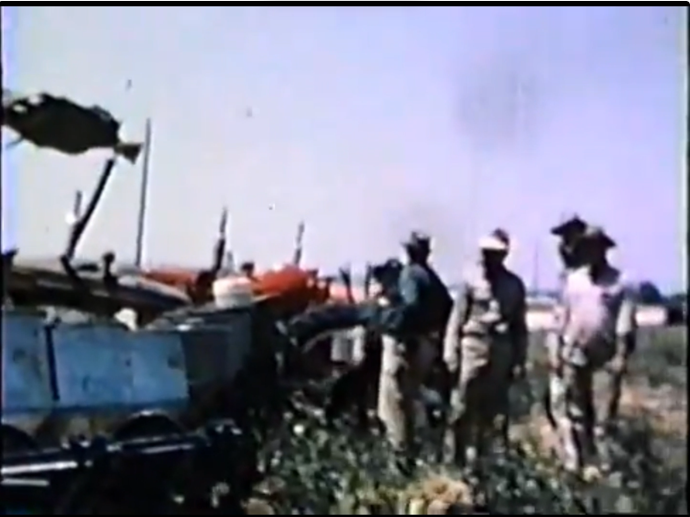
The canopies, patched metal, and varied exhaust stacks tells us that equipment longevity mattered more than appearance, repair skill was valued, and “good enough” was a respected standard. No one was embarrassed to show up with an older tractor. That matters culturally.
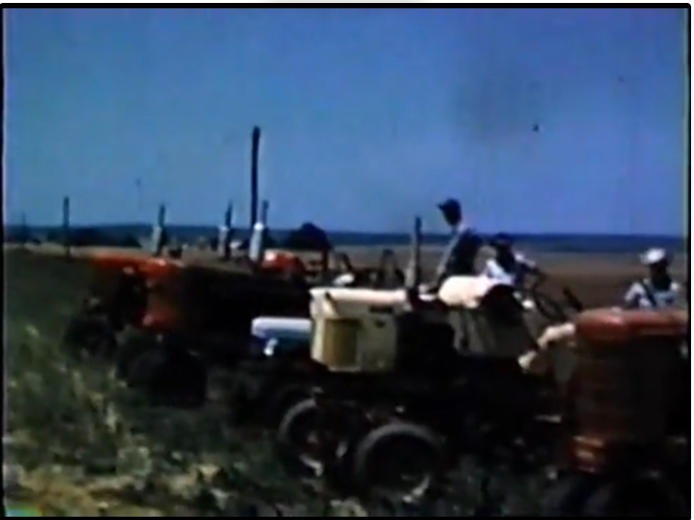
This is a mutual-aid economy, not charity. There is not a single benefactor, no audience, no documentation intended, and no repayment ledger. The assumption is simple: “Today it’s him. Tomorrow it could be me.” That kind of cooperation collapsed rapidly once farms scales up, schedules tightened under irrigation, and labor became hired rather than familial. These pictures capture something already fragile, even as it was still alive.
New equipment represented mechanization, capital investment, and optimism. Old equipment represented continuity, frugality, and accumulated skill. The community did not force uniformity. It absorbed difference. That is the opposite of modern efficiency logic.
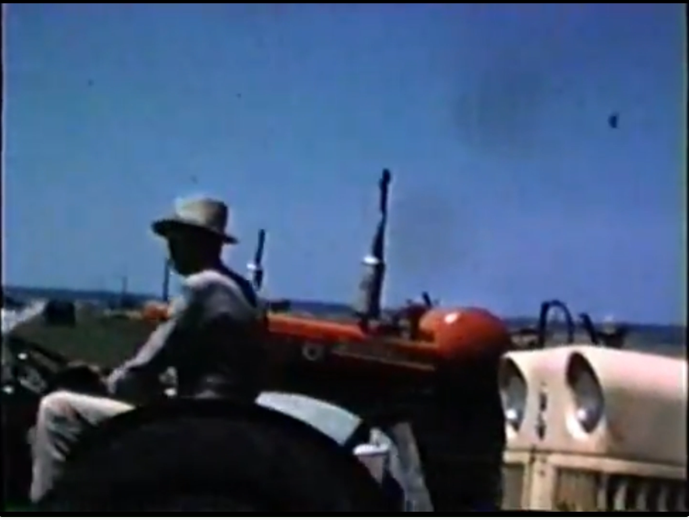
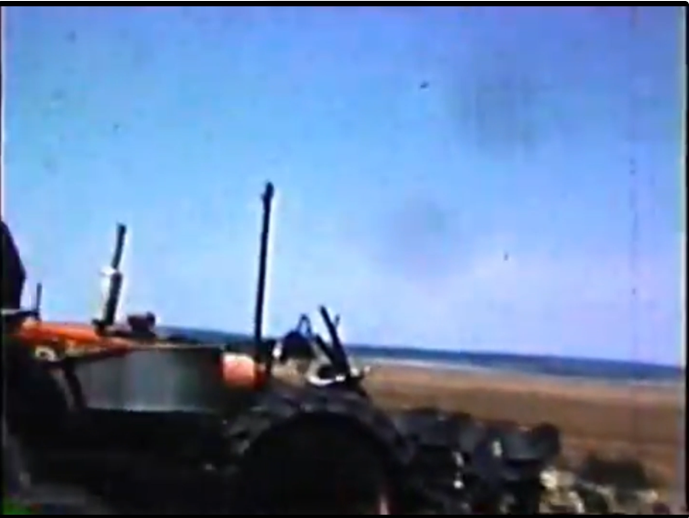
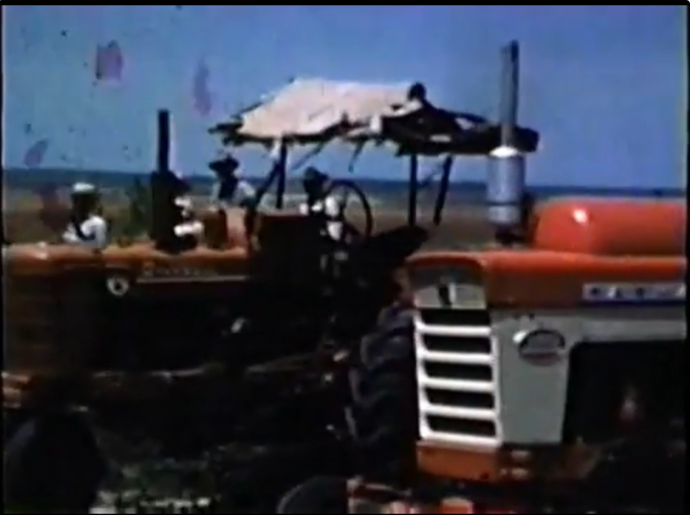
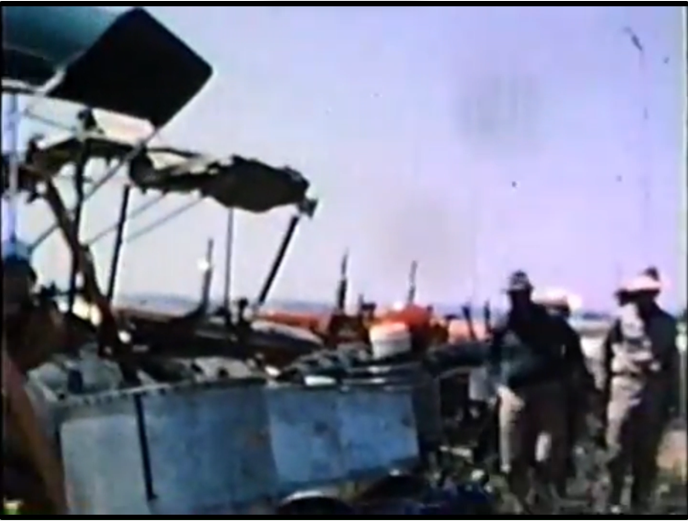
Tractor demonstration, farmers gathered
Dealer demonstration
This is not just about machinery. This is about knowledge transmission. New equipment wasn’t bought sight-unseen; it was demonstrated. Farmers gathered for the demonstration because capital investment was serious and mistakes were costly. With collective evaluation they could reduce risk. This is peer-reviewed agriculture. This is community-centered decision-making.
Before consolidation, before consultants, before agronomists, farmers learned together, evaluated together, and adopted together. This is why Brice and Lakeview still mattered socially even as Clarendon and Memphis grew institutionally.
You’re seeing early adopter dynamics and community as a learning network. This is progress happening in public. Manufacturers/dealers brought new models out and the farms functioned as temporary showrooms. Knowledge spread socially, not through brochures. That’s a very specific mid-century agricultural practice. The dealerships were in Memphis where the equipment was shiny and new. It is apparent that dealers were present in the field, relationships mattered and sales were personal and reputational.
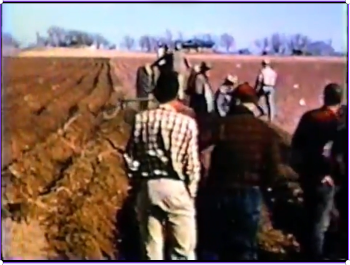
Community gathered behind the plow
That row is a little crooked! Grandpa taught that “his crooked rows would hold more”. That is cultural agronomy, not engineering. It tells us that yield was understood experientially and that straightness was not the highest value. Optimization was local knowledge, not standardized practice.
This shows the transition between dryland and irrigated logic. We see deep tillage, soil standardization, heavy equipment, and increased fuel use. All of this precedes or accompanies irrigation. The land is being asked to become predictable.
No one here is abstracting. Everyone is close to the ground. Everyone understands what they are seeing. This kind of embodied knowledge fades rapidly once fields enlarge, systems automate, and labor specializes.
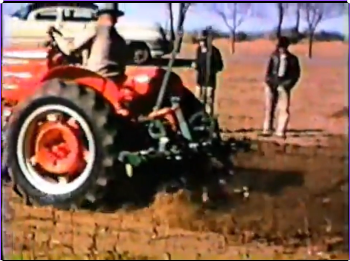
We can see clearly a red tractor (likely Farmall or Allis-Chalmers era, late 1940s–1950s). It has rear-mounted deep tillage equipment actively engaging soil and observers standing off to the side, watching soil turnover. The soil is dry but workable — not muddy, not powder-dry.
This tells us that this is likely post-harvest deep plowing, very plausibly after cotton. Deep plowing here serves stalk burial (boll weevil suppression was still a concern), residue incorporation, and moisture management for the next season.
The tractor color and form place this comfortably in the post-WWII mechanization boom, when surplus manufacturing capacity and pent-up demand flooded rural America with new machines. This is the moment when horsepower becomes a social event, not just a tool.
Here there are multiple adult men, dressed in work clothes and hats typical of the 1940s–50s. We can also see deep, straight furrows already cut, people walking behind or alongside the equipment, not merely watching from a distance. In the background, we can see open, flat High Plains horizon with very little tree cover. This tells us this is not routine field work. This is a demonstration or collective evaluation. You can tell that by the density of people relative to the task, their position in the field (close, attentive, aligned with the furrow), and the absence of casual posture.
This shows farmers gathering to see new equipment or a new method. In this era, machinery decisions were expensive, irreversible in the short term and discussed socially, not individually. This is community risk-sharing through observation.
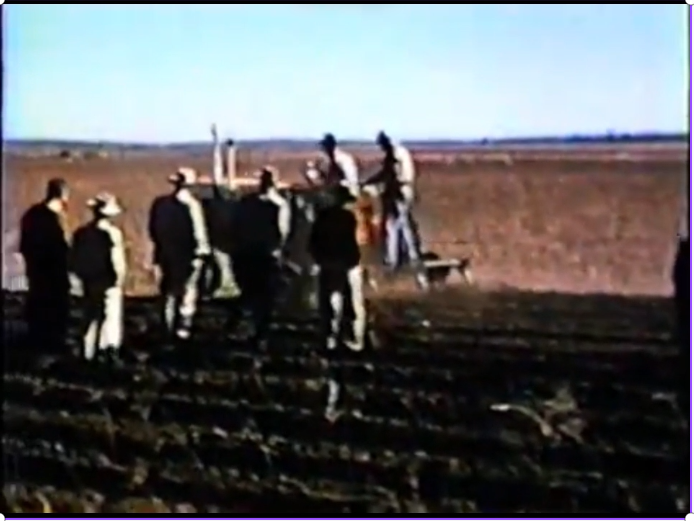
In this picture we can see clearly men grouped in a semicircle around the working end of the implement. One or two operators are elevated on the tractor or implement. There is dust, but not excessive — indicating controlled depth and speed. This tells us that they are not admiring the tractor, they are watching soil behavior. This is farmer science: how deep does it cut? Does it roll or shatter? How uniform is the furrow? How much draft does it require? No pamphlet answers these questions as well as standing in the field.
Farming
Hoeing Cotton
The Work Without Pictures
A regular farm activity the entire family would participate in was hoeing cotton. This was usually done in the heat of summer and the middle of the growing season.
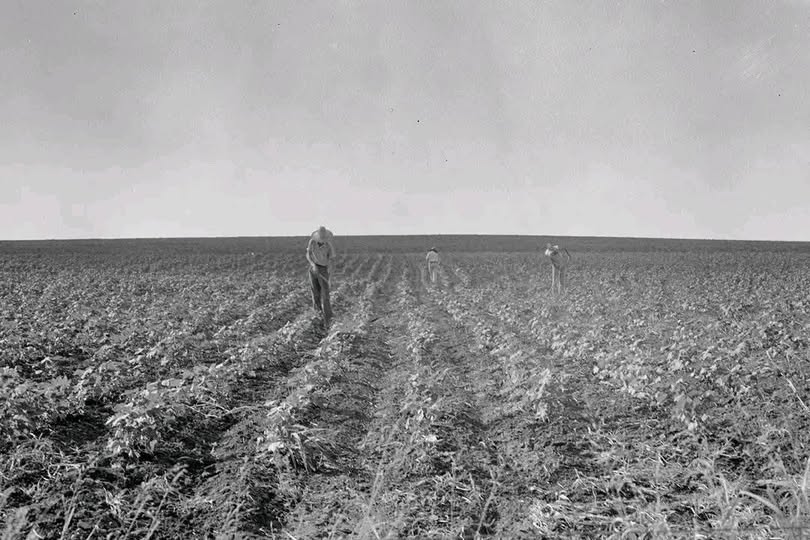
Hoeing was a manual, labor-intensive task used to control weeds and thin the cotton plants. This task was widespread, and was performed during the hot summer months. This was before plastic, so water was carried to the field in glass gallon bottles wrapped in burlap sacks. They also used cloth water sacks; evaporative cooling/sweating in the heat kept the water drinkable. By midday, the water would be warm — but it was life.
Some memories of work live only in the body. It feels heat pressing down, rows stretching forward, glass bottles of water warming by noon, and the rhythm of step, swing, clear, move. Everyone helped. Not because it was romantic — because that’s when the crop decided what it would become.
Key aspects
This was manual labor at a most basic level. Workers used long-handled hoes to chop weeds around the delicate cotton plants, a physically demanding process often referred to as “chopping cotton”. This was usually a family and community effort: This work frequently involved entire families, including women and children, working long hours in the fields. While some plowing and planting provided some mechanization for farming, the precise task of weeding around individual plants often still required human hands. If there were not too many weeds, some people would chop more than one row per pass through the field.
This era marked a transitional period as technological advancements began to transform agricultural practices, moving away from reliance on extensive manual field labor.
Pulling Cotton
These scenes show cotton being harvested by hand, before the family had a mechanical cotton stripper. Harvest often happened in two or three passes through the same field, weeks apart: the first pass took the fully opened bolls and best-grade cotton, the second pass gathered what had opened since, and the final pass took the late bolls that might never fully open but still held usable cotton. Pulling was organized labor: workers estimated how much row would fill a sack and often started at the far end of the field so they wouldn’t have to drag a heavy, full sack farther than necessary.
Weighing the Cotton
The wooden tripod in the image is not incidental. It supported the scale. Each sack was hoisted, weighed and emptied into the trailer. Weight meant pay, pride, and proof of the day’s work. The field had a quiet economy built into it: not vague “help,” but measured contribution.
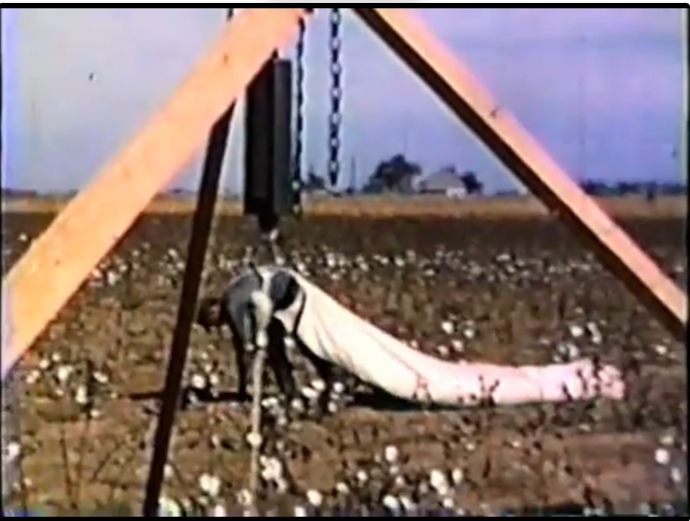
These pictures capture an in-between technology stage. In this time, children’s labor was normalized. Nothing was abstracted yet—every boll counted. Later systems will optimize for speed and acreage. This one still optimized for total yield per field. The cotton stripper represented mechanization, missed cotton and imperfection. This led to later hand-gathering to gather anything missed. This tells us that efficiency mattered, but completeness still mattered more.
Mechanized harvest and human recovery
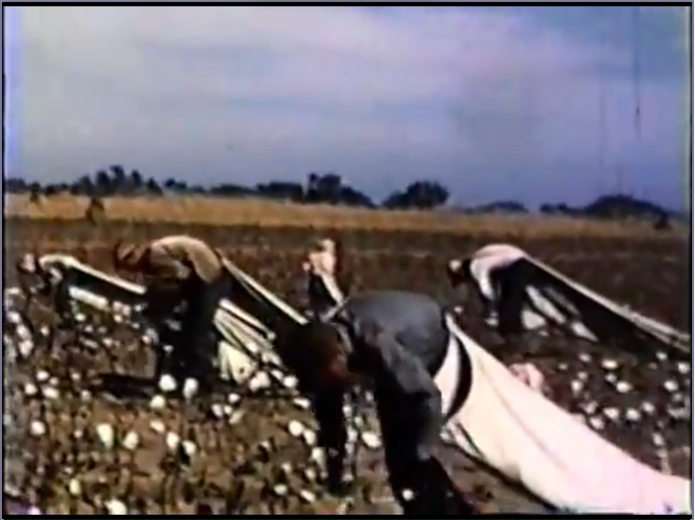
This picture shows a trailer filled by a human labor. People worked on foot with long canvas sacks, bending, stooping, dragging weight across uneven ground to accomplish this. This was not inefficiency — it was the system as it existed. The machine later maximized speed and volume. These people maximized completeness and value. Together, they formed the evolution of the harvest process over time.
Water in the Field
This was before plastic arrived on the scene. Water was carried to the field in glass gallon bottles wrapped in burlap sacks. Cloth water sacks were also used ; evaporative cooling/sweating in the heat kept the water drinkable. By midday, the water would be warm — but it was life.
The sacks themselves matter
Sacks came in different sizes to match strength and age. Those long canvas sacks distributed weight along the back. It caused a pull against the shoulders and spine, and required a particular gait and rhythm. These were not casual tools. They shaped the body over time.
The Three Passes
Cotton was not harvested all at once. The field was walked two or three times, weeks apart: The first pass was the money pass. It gathered fully opened, fluffy bolls of clean, high-grade cotton. It was easiest to pull, and had the least trash. This was the most valuable cotton. The second pass — the work pass gathered newly opened bolls that had matured since the first pass. This was still good cotton, but more uneven. It required more stooping, and more judgment. The final pass — the salvage pass — gathered bolls that never fully opened. It had shorter fibers, and lower quality. It was pulled because nothing was wasted. The final pass was hardest on the hands and the slowest work.
Scale and openness
“Harvest time.” Two words. No elaboration needed. That implied that everyone in the room understood the stakes. Because the harvest was urgent, school schedules could pause so younger family members could work in the field. Harvest is a season, not an event and effort is assumed, not explained. The wide shots show a flat horizon, no shelter, no shade, and no interruption. This was labor done fully exposed to wind, sun, cold, and repetition.
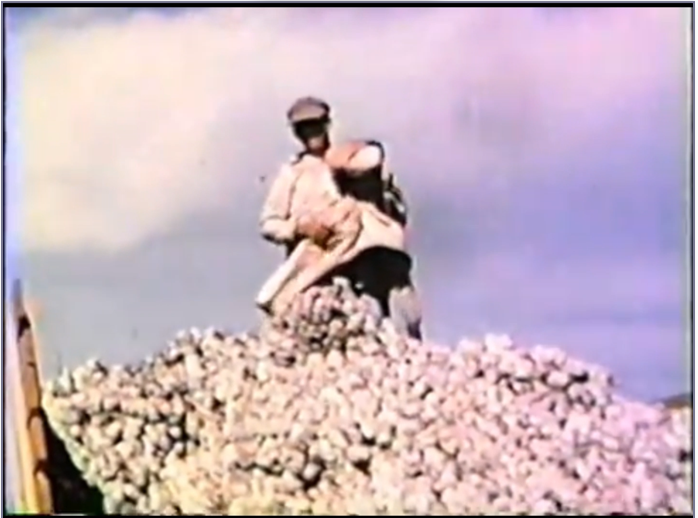
Family labor is still assumed.
The people harvesting are not hired crews. They are family, neighbors, children and elders. This is the work that disappears first when irrigation stabilizes yields, harvesters improve and labor becomes externalized. It captures the somatic cost before it vanished. This is the moment where endurance is still personal, but the future is already mechanical.
The background equipment in this picture quietly expands the story from “harvest labor” into how a whole farm system operated at once. Behind the hand pickers and the filled trailer, we see tractors parked or idling, trailers positioned for loading, and trucks waiting their turn. This is orchestration, not improvisation. Even though hand labor is still essential, the day is planned around machine flow. Harvest is no longer “field-by-field”; it’s system-wide, with equipment, people, and timing interlocked.
Mechanization did not eliminate labor — it rearranged it
These pictures show an in-between era. The machines remove the bulk, and humans recover the remainder, Full mechanized harvesting is not yet complete. Neither is hand labor gone. This is the hybrid phase.
Just like in other pictures, this shows newer machinery alongside older tractors, mismatched trailers, and equipment that came from different owners. That reinforces two things. This is not a single-owner, uniform setup It is a harvest that draws on whatever works, not whatever matches. It shows that efficiency comes from coordination, not standardization. It shows that trucks mattered as much as tractors
The presence of road trucks in the background is easy to miss, but it’s crucial. It tells us cotton is moving off the farm, not just to a nearby gin later. Roads, bridges, and timing matter immediately. This harvest is tied into the regional economy (Clarendon / Memphis / beyond).
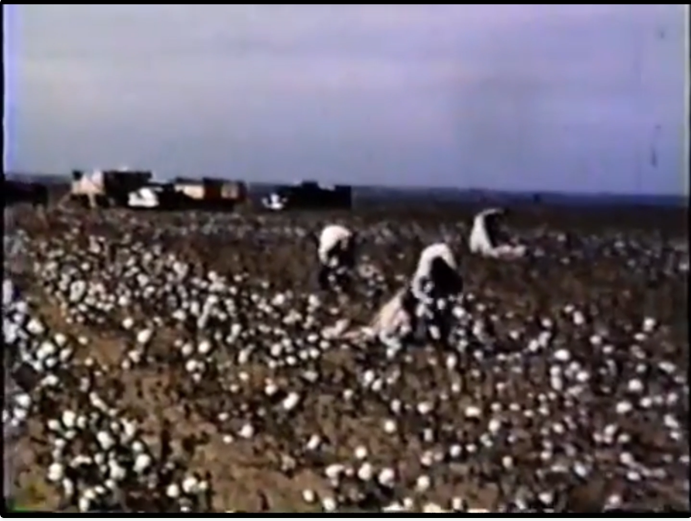
Why this matters emotionally, not just technically
The foreground shows bent backs, dragging sacks. The background shows machines waiting patiently. That visual contrast says something profound: machines reduce labor, but they don’t yet replace it. The human body is still the final quality-control mechanism. This shows a time when people, animals, machines, and roads all mattered at once. Nothing was yet disposable and nothing was yet fully optimized. Soon, harvesters improve, irrigation stabilizes yields, labor externalizes, equipment standardizes, and bodies disappear from the picture. But right here, they’re all still present — foreground and background together.
Deep plowing after cotton
About Deep Plowing
Deep plowing after cotton harvest served to bury stalks for pest control, especially boll weevil. It also incorporated residue and to reset the soil surface. This was at a time when cotton was still dominant, soil health was understood practically, not abstractly. It also shows that labor and fuel were being spent now to protect next year, an investment in the future. This is stewardship through work, not policy.
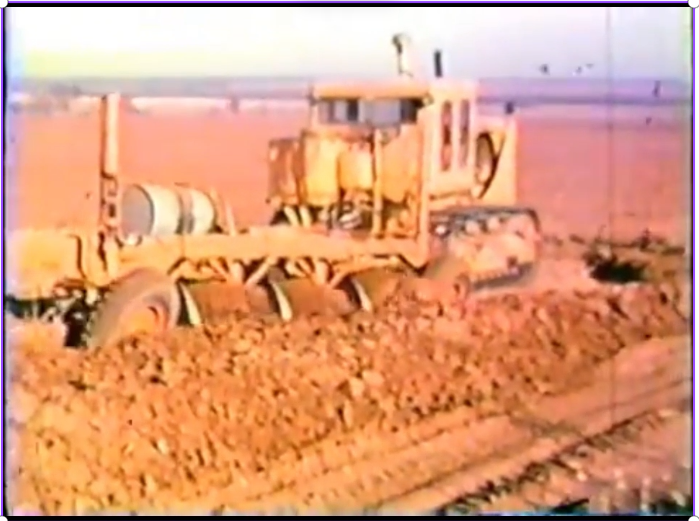
Deep Plowing in Action
This frame shows us a yellow crawler tractor (very likely Caterpillar, mid-century) and large disc plow throwing heavy soil, That’s a deep plow! The wheels keep it at a steady level and control the depth of the plow. Fuel drums were mounted on the implement and the operator was enclosed in a simple cab. This is serious earth-moving agriculture, not garden-variety tillage. Crawler tractors of this size were used when fields were being opened up, land was being reworked, or when soil conditions defeated wheeled tractors. This suggests either conversion of pasture or rough land into cropland or major reconditioning of existing fields. This aligns with the irrigation-era transition, when deeper, more uniform fields became desirable.
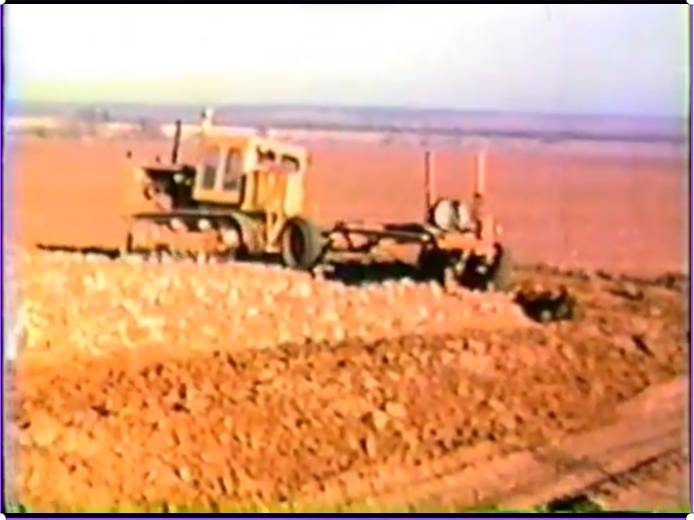
In this image, we can see clearly a long, continuous cut. There is significant soil displacement by the plow. The background is vast and flat with no visible fencing nearby. This tells us that agriculture shifting scale and function. Dryland farming tolerated irregularity while irrigated farming punished it.
Laser leveling comes later — but this is the first step toward geometry: straight lines, uniform depth, predictable flow. This machine is reshaping land not just for crops, but for systems.
Rows and Rooms
The land did not ask to be conquered.
It asked to be understood.
Rows were drawn not as lines of dominance
but as agreements —
with wind and water,
with slope and sun,
with what would grow if given half a chance.
Hands learned before mouths did.
Feet learned before maps existed.
A man knew the field by how it pulled back on him,
by how dust lifted,
by how irrigation hissed like a held breath released.
At the smallest scale, this was a household:
people sharing work, food, memory.
Someone watched the end of the pipe.
Someone remembered to flush the sand.
Someone stood where they could be seen.
The pattern repeats.
Brice was not a town meant to be complete.
It was a home.
A place where life happened daily —
unrecorded, uncelebrated, essential.
Clarendon became the room where life was made official:
records kept, brands registered,
children educated, vows witnessed,
names entered into ledgers so memory could endure.
Lakeview became the hallway —
movement, processing, transition —
where cotton left the field,
grain found elevators,
and work learned to travel.
Memphis was the door —
opened only when needed —
connecting the circuit outward
to rail, to market, to a larger world.
None of these places were sufficient alone.
Together, they formed a system.
Not a hierarchy, but a circuit.
Back in the field, the pattern tightened again.
Windmills rose —
slow prayers turned into motion,
water lifting because someone believed it could.
Later came pipes and sprinklers,
metal bones laid carefully across soil,
moved by family, not machines alone.
Water arrived reliably —
but obligation arrived with it.
Morning and evening, the pipes had to move.
Sand had to be flushed.
Time itself became something you tended.
The pattern repeats.
Progress did not erase labor;
it rearranged it.
It did not remove responsibility;
it redistributed it.
Then wings arrived.
An airplane skimmed the earth like a thought finally spoken,
spray trailing behind it,
rows passing beneath in perfect geometry.
At the far end of the field,
a person stood.
Not as an afterthought.
Not as a risk.
But as a fixed point —
a living anchor —
so the pilot could aim true.
When the plane turned, the person moved —
a set number of rows,
measured not by instruments,
but by steps and trust.
Even here, at speed,
even with the sky enlisted,
the system required someone to be visible.
The pattern repeats.
At the smallest scale:
a family that shows up.
At the next:
neighbors who plant for the sick,
who bring old equipment alongside new,
who understand that one day
they will need the same grace returned.
At the next:
towns that do not compete,
but specialize —
one holding quiet,
one holding record,
one holding movement.
Zoom out further.
Amarillo becomes a Clarendon for the Panhandle.
Texas becomes a Lakeview for the nation —
production, exchange, passage.
The United States becomes a Brice for the world —
vast, unfinished, rich in possibility,
still learning how to live inside its abundance.
Same structure.
Different scale.
This is the fractal truth:
what fails at the small level
cannot be repaired at the large one.
If a household forgets care,
a nation cannot invent it later.
If a town forgets responsibility,
a state cannot legislate it back into being.
But if integrity exists in the smallest unit —
a class of thirteen that still gathers,
a man who knows which end of the pipe to watch,
a person willing to stand at the end of the rows —
then that integrity echoes upward,
self-similar,
scale by scale.
The Dream for the World will not arrive fully formed.
It will not descend.
It will repeat.
It will look like land treated as relationship,
progress paired with attention,
systems that remember their limits,
and growth that keeps a human visible inside it.
The future will not be saved by becoming larger.
It will be saved by becoming truer —
in rows and rooms,
in fields and towns,
in households and nations.
Just like the Panhandle always knew.
Crop dusting: scale, risk, and trust
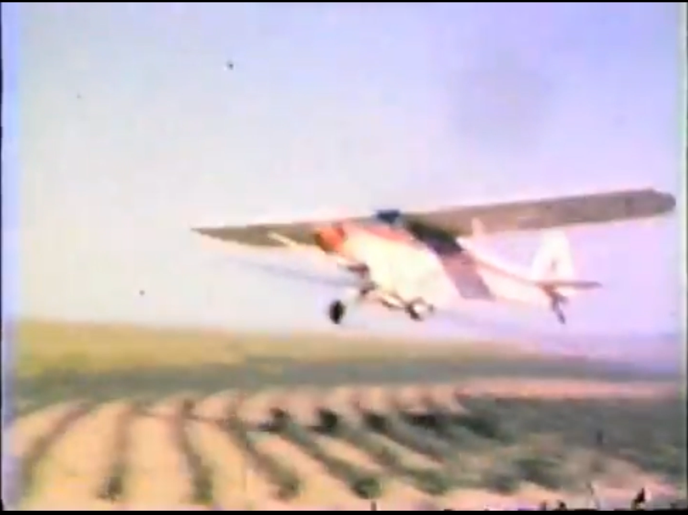
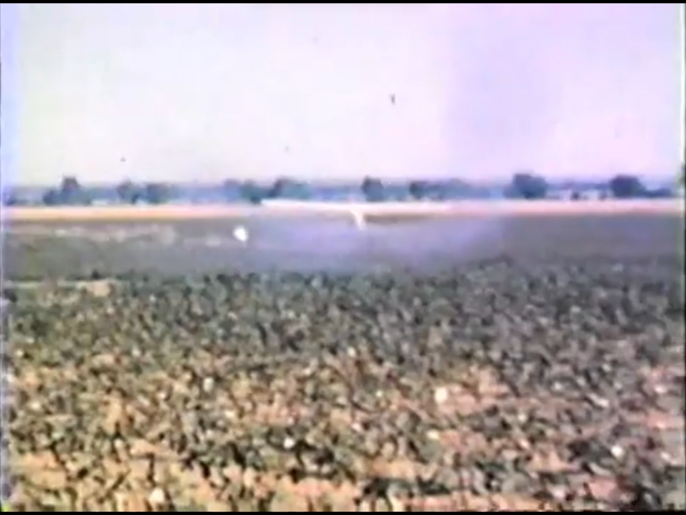
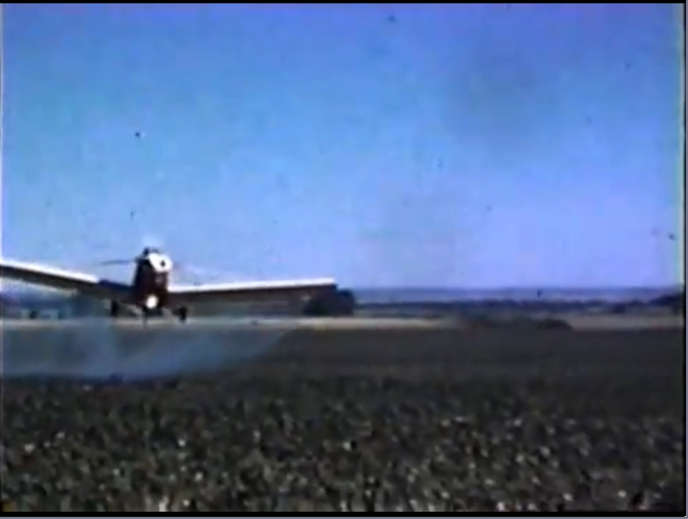
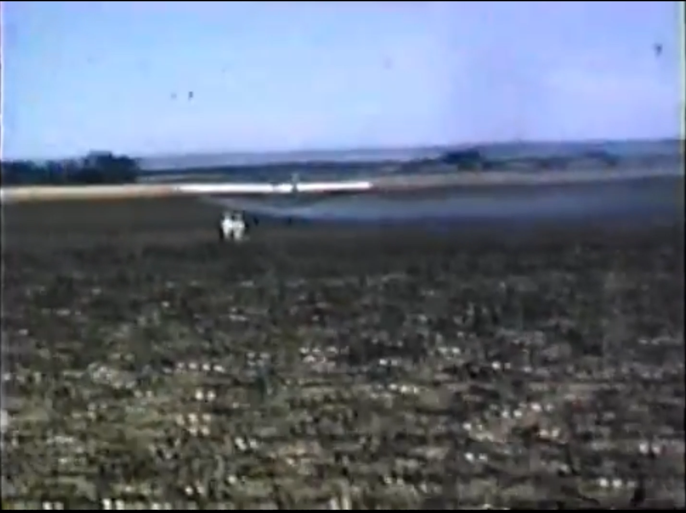
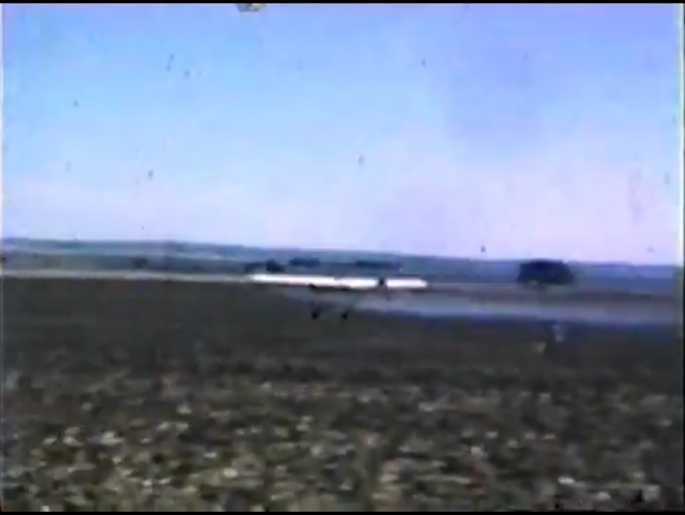
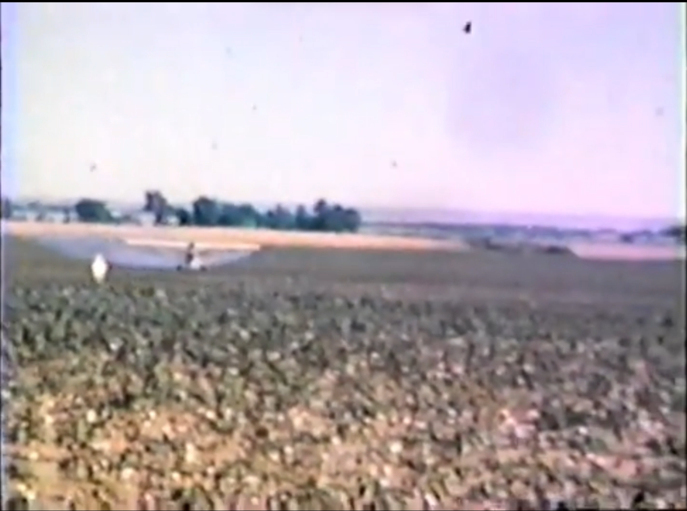
These pictures show a single-engine, fixed-wing aircraft, likely a Piper Cub–derived ag plane or early Ag-Cat predecessor. It is flying extraordinarily low, wheels nearly brushing the crop canopy. It makes long, straight passes aligned with row geometry. A visible spray plume is dispersed behind the aircraft. There is no protective gear, no warning flags, no perimeter; this is not spectacle. It is routine.
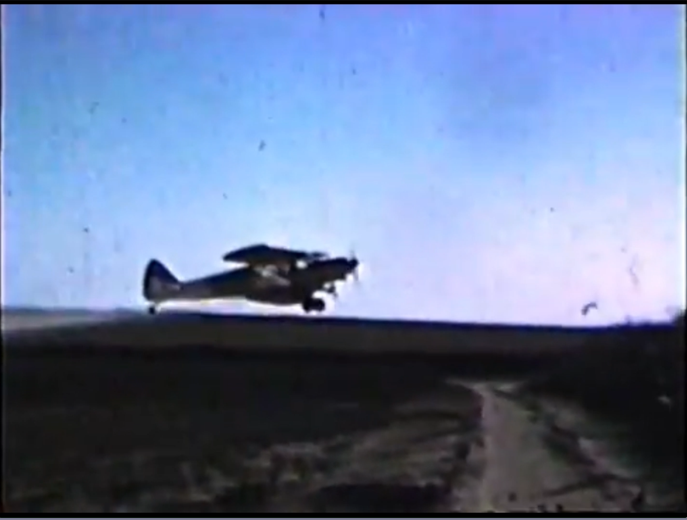
A leap in scale, not just technology
Irrigation expanded seasonal reliability. Crop dusting expanded reach. Water was still moved by hand, pipes were still heavy, and sand still clogged wells. Aerial spraying meant fields were large enough to justify it. It introduces chemicals entering the system on a large scale. The distance between farmer and field is increasing. This was one of the first signs that agriculture was becoming remotely managed. Mechanization doesn’t dominate yet—but it’s here.Now treatment of hundreds of acres could happen in minutes.
Risk redistributed — not eliminated
There was no margin for error. For the pilot: one mistake means death. For the crop: one missed pass means loss. For the people below: trust replaces control. This wasn’t ignorance. It was calculated acceptance. Everyone involved understood the pilot’s skill, the machine’s limits, and the cost of doing nothing.
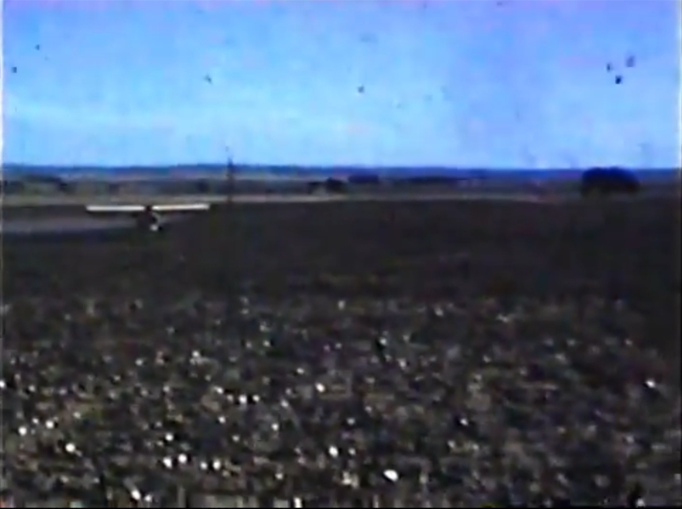
Continuity, not rupture
It’s tempting to read this as modernity arriving. But look carefully and you will see the plane follows the same rows cut by ground equipment. The field geometry still reflects hand-set decisions. The community is still present — just off to the side. This isn’t a break from the world this shows; it’s an overlay. Just like electricity didn’t erase night — it layered over it.
What the flagger actually represents
The pilot was flying at the edge of human capacity: low altitude, heavy load, narrow margin. The field was large, uniform, and visually deceptive from the air. The flagger provided a fixed point — a living reference marker that cut through glare, dust, wind, and motion. This is not crude. It’s elegant. The system is airplane (speed, coverage), pilot (skill, judgment), and flagger (alignment, rhythm, spacing). Remove any one, and the system fails.
In the videos, you can see the flagger move over, probably a set number of rows. That detail tells us the spacing was intentional, not improvised, the rows themselves were a measuring instrument, and that the work proceeded in discrete, human-scaled increments. Even at its most mechanized moment, the operation is still paced by footsteps, row counts, visual agreement. This is not automation.as much as coordination.
The flagger is doing what shows up again and again in this archive; like the person at the end of the irrigation pipe, like the neighbor who shows up to plant, Like the child following the cotton picker, and like the windmill marking the difference between hauling and drawing, the flagger is a living anchor — a fixed point in motion.
Why this matters historically
This introduction of airplanes distinguishes mid-century agriculture from both earlier hand labor and later GPS-guided abstraction. Here, trust is local, feedback is visual, correction is immediate, and responsibility is shared. The pilot trusts the flagger, the flagger trusts the pilot, and both trust the rows. That triangle was fragile — and incredibly effective.
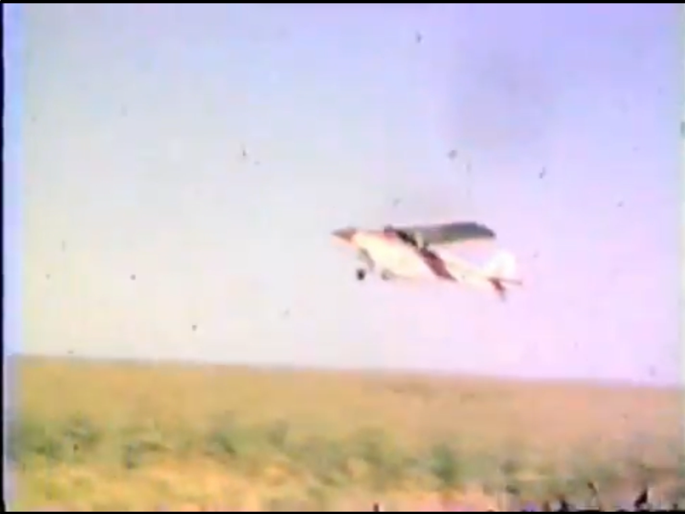
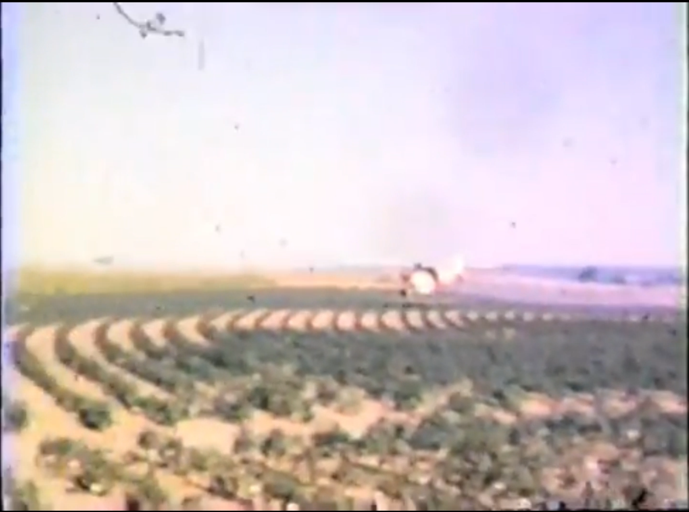
Daily Life
Grandpa’s Tractor
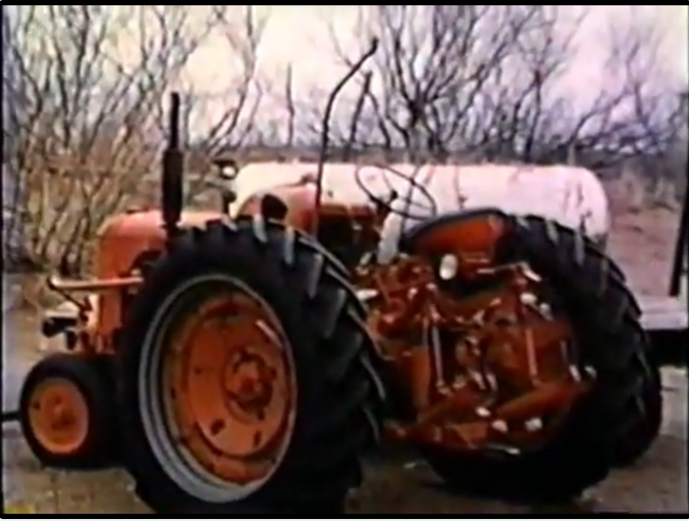
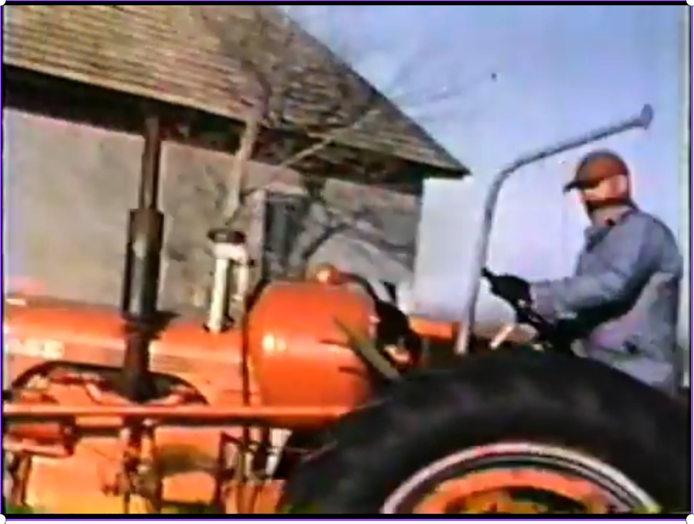
This frame shows an orange/red row-crop tractor with narrow front (tricycle-style). It has high rear wheels, a low-slung engine, and upright exhaust. The design is strongly consistent with Farmall tractors (H or M series), widely used from the late 1930s through the 1950s. The operator was seated upright, hands on wheel, posture relaxed but practiced. This is not a novelty tractor. It’s a primary workhorse, already familiar to its operator.
This image is significant because it shows two distinct fuel tanks. This is easy to miss, but profound. The cylindrical horizontal tank on a stand is metal and has rounded ends. It is elevated slightly above ground and is plumbed, not portable. This is almost certainly a gasoline or diesel storage tank used for tractors, trucks, and possibly irrigation engines later. Elevation matters, and gravity feed simplifies fueling and reduces pump dependence. The tractor fuel tank ties the farm to weather, seasons, and soil conditions. The butane tank ties the home to comfort, predictability, and extended day/night use (especially post-electrification). Together, they mark the moment when survival became managed, not merely endured.
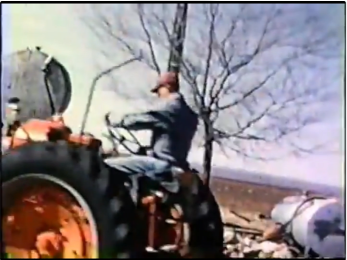
The large rounded tank near the house is consistent with a butane/propane tank. It was typically used for home heating, cooking, possibly water heating. The coexistence of both tanks tells us something crucial; energy was layered, not unified. Electricity existed—but fuel autonomy still mattered.
The house and immediate surroundings
We also see a wood-frame house with shingled roof and a mature deciduous tree close to the structure (likely planted intentionally for windbreak/shade). There are outbuildings nearby (not decorative—completely functional). There is no pavement or ornamental fencing. This is a working yard, not a domestic display space.
Everything visible serves shelter, fuel, food, or labor. Nothing here is redundant. This is not pioneer hardship or modern consolidation. This is a balanced system that is mechanized, but human-scaled. It may have been electrified, but it was still fuel-secure and productive, but still intimate.
The tractor, tanks, and house formed a closed loop. It functioned by land to fuel, fuel to machine, machine to labor, labor to home, and home back to land, At this point, the loop was not yet been broken by specialization.
About Grandpa and the tractor
Grandpa’s posture, proximity to the house, and comfort with the machine show ownership and probably long-term daily use. He was not a hired hand and this was not a demonstration moment; this is home ground, not a field visit. The tractor is part of the household’s rhythm.
These scenes are not dramatic. That’s what makes them powerful. History books show dust storms, crises, and breakthroughs. These scenes show continuity, and continuity is what actually carries families—and regions—forward.
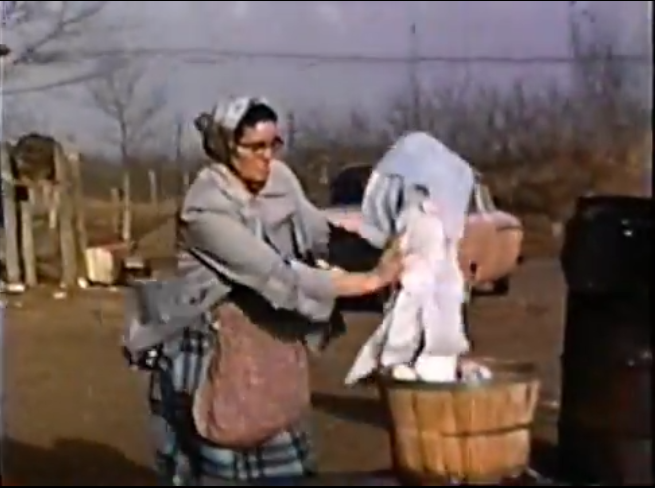
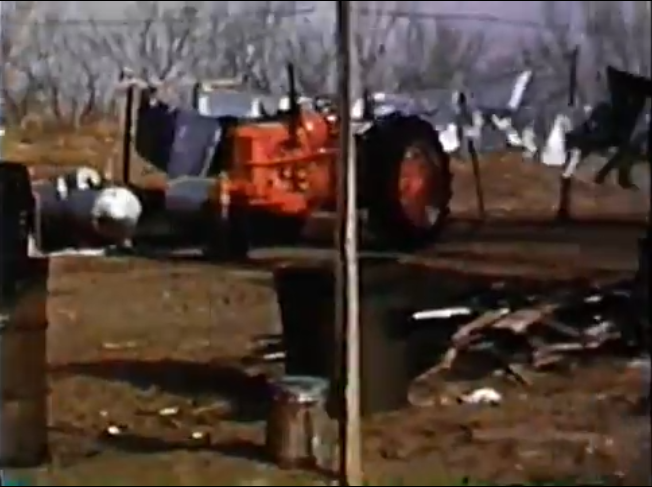
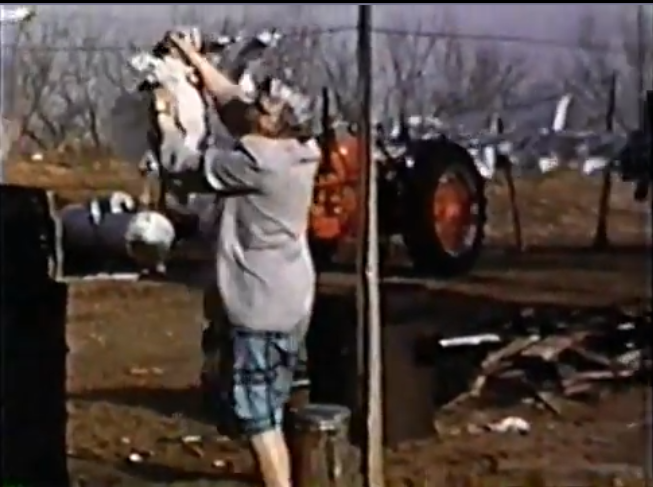
Grandma Hanging Clothes
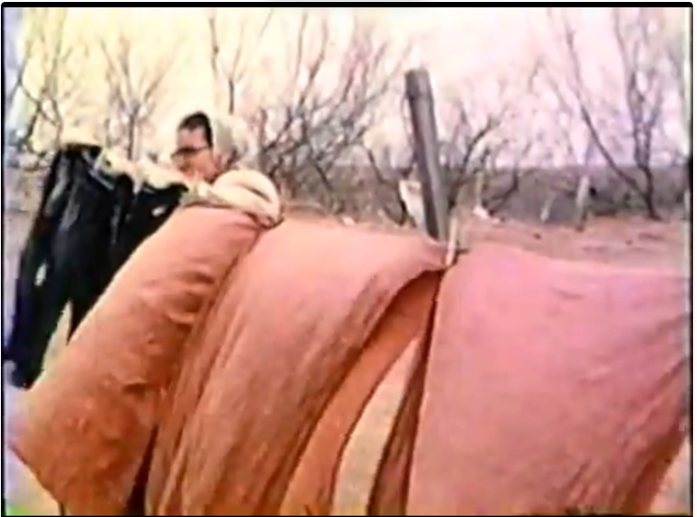
This is a time when electricity exists, but not in abundance. Clothes dryers are unnecessary or uneconomical. The sun and wind are still collaborators. This is not deprivation—it’s calibration to changing ways of life. It is a snapshot that is changing from the small Antelope Flat to a rented farm.
Using a clothesline involved hanging laundry on a rope or wire to air-dry. At this time, it was not a choice; it was the only way. Learned techniques included shaking items out, hanging shirts upside down to avoid marks, and positioning items for airflow.
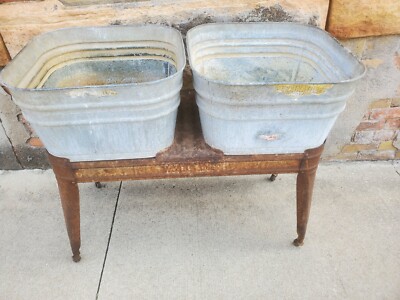
The aluminum tub is an archetype. It may have been used for both laundry and bathing. This wasn’t poverty—it was water discipline. Water hauled by bucket or barrel, heated on a wood or gas stove, .mixed by feel, not measurement.
Laundry followed the logic of one wash tub, one rinse tub, sometimes a bluing agent, and clothesline drying (counting on the sun as disinfectant). In the case of bathing, order mattered: youngest/cleanest first, adults last. Cleanliness was not individual—it was managed at the household scale, like farming itself.
Hands Turned Inward
In the slower seasons, when fields slept or waited, hands turned inward. Crochet hooks traced patterns that were not written down. Afghans and doilies grew outward from centers, repeating themselves without ever quite repeating themselves. No one called it mathematics. No one called it art. It was simply what hands did when they remembered how to listen.
Those hands would one day forget. Disease would arrive without metaphor. Dexterity would leave. Memory would loosen its grip. One would lose language first, the other precision. The work of a lifetime would narrow to the work of being cared for.
The Language That Lived in Her Hands
She sits there quietly, eyes lowered, not withdrawn but listening.
The house has settled into its evening shape. The day’s noise has thinned.
What remains is the small, faithful rhythm of hands at work.
Crochet was not a pastime for her. It was a way of being in the world.
Each stitch answered the one before it.
A loop invited a response.
A rule made room for variation.
The work grew outward from a center—never identical, never chaotic—held together by attention.
No paper was needed. No pattern was consulted.
The language lived in her hands.
This was knowledge practiced at human scale:
iterative, forgiving, adaptive.
Mistakes were not failures; they were folded in, absorbed, made part of the whole.
What mattered was not perfection, but coherence—
that the piece would hold.
While fields waited, while men worked soil and weather,
while winters stretched long and evenings exhaled,
domestic labor quietly became design research.
Not abstract. Not named.
But real.
Her hands knew how to wait and when to move on.
They knew when a round was finished, and when it needed one more breath.
They knew how to carry time.
And then, one day, they could not.
Illness arrived without asking permission.
The hands that had spoken so fluently fell silent.
For those who loved her, this was unbearable—not because the work stopped,
but because a language disappeared mid-sentence.
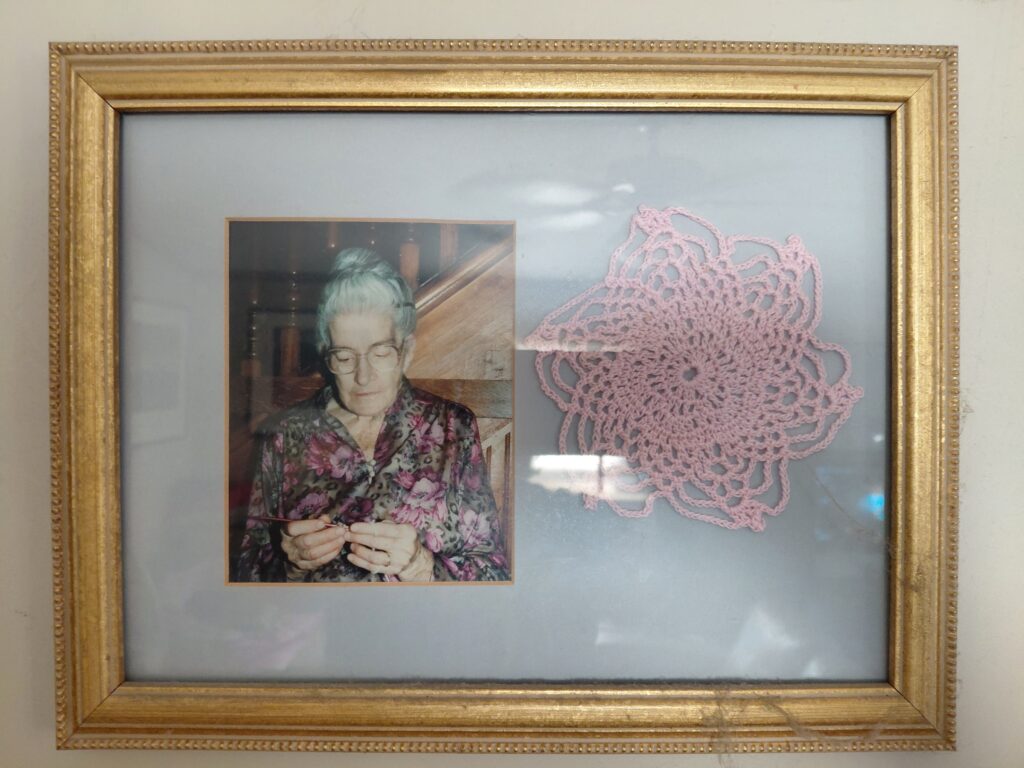
Yet something essential remained.
The blankets still warm.
The doilies still hold their shape.
The patterns she practiced did not vanish when her hands failed.
They were transferred—into rooms, into bodies, into memory.
Her knowing was never confined to her fingers.
It had already been released into the world.
To witness this is to carry a quiet fear forward.
To wonder what happens when the ways we know ourselves begin to loosen.
When hands tremble. When orientation falters.
When the question of care and place must be spoken aloud while there is still time.
But this, too, belongs to the pattern.
What she practiced was not control—it was trust.
Trust that simple moves, repeated with care, create something that endures.
Trust that meaning can be distributed across time.
Trust that even when a stitch is dropped, the fabric can still hold.
She understood fractals without ever naming them.
Understood that the small reflects the large.
That tending what is near prepares what comes later.
That work done with love does not end when the hands must rest.
The language lived in her hands.
And the language—the language is still speaking
The Arrival of Irrigation
Before irrigation: dryland life
In the Panhandle before widespread irrigation, farming was event-driven, not clock-driven. Rain determined not just yields, but moods, debts, and futures. Work clustered around planting, cultivating, and harvest—with long stretches of waiting. People didn’t “manage water.” They endured weather.
The moment irrigation enters (roughly 1940s–1950s)
What changes isn’t just yield—it’s responsibility. Once a well is drilled into the Ogallala, you’ve made a promise to the land. You now owe it attention, labor, maintenance, electricity, diesel, pipe, fittings, and water becomes something you can fail to provide. This is where moving pipe every morning and evening mattered deeply. That labor pattern tells us this was pre-center-pivot and pre-automation. It was done with aluminum pipe, couplers, risers and sprinklers that were sized for manageable pressure, not efficiency. It was a system that worked, but only if humans showed up—twice a day, every day.
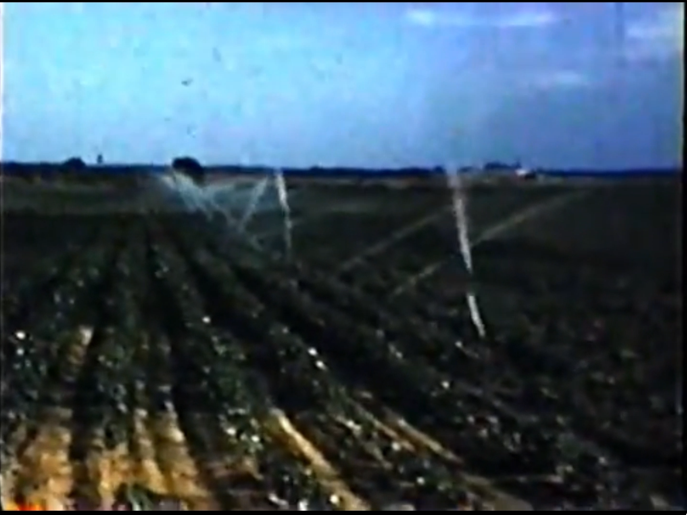
The cultural shift
This was the quiet revolution. Dryland farming said: “We’ll see.” Irrigated farming said: “We must.” Children become essential again—not for novelty, but for necessity. Families reorganize their days around pumps and pressure. Towns like Clarendon grow more important because pumps break, engines fail, and parts are needed now, not next week. Irrigation didn’t just change fields. It tightened the weave between farms and towns.
Before irrigation, weather decided, people adapted, and cooperation absorbed shocks. After irrigation, water is available, but only if pipes are moved, sand is flushed, and timing is obeyed. This was the trade: less risk from drought and more obligation to the system. That obligation showed up as morning and evening pipe moves, heavier labor, not lighter, and less flexibility, not more.
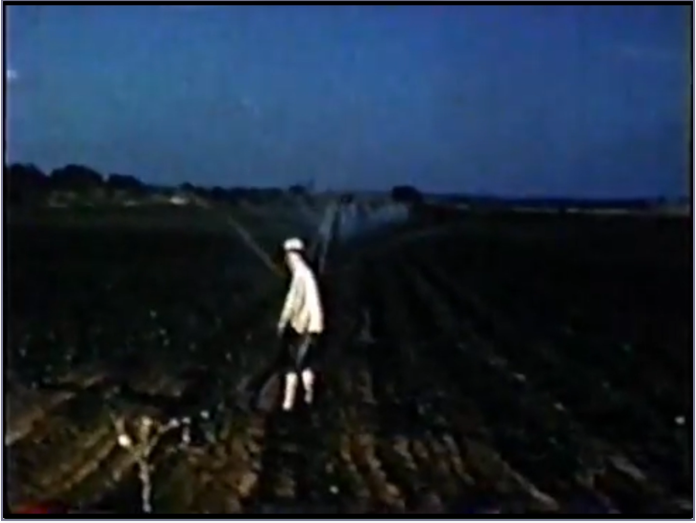
Why this changed everything that came after
Irrigation led to specialization, fewer people, more machinery, and less shared time. Irrigation didn’t just water crops. It restructured time, bodies, and responsibility.
Moving Pipe
The Ogallala Aquifer, one of the world’s largest freshwater sources, lies beneath the U.S. Great Plains, serving as a vital water supply for agriculture, homes, and industry across eight states, It is rapidly depleting because withdrawals far exceed natural recharge, leading to “mining” of ancient water, threatening future sustainability and necessitating conservation efforts and smarter management to avoid severe impacts on rural communities and farming. The aquifer isn’t a cavern. It’s water held in sand and gravel.
Early wells often lacked modern screens, and high drawdown could pull sand into the line. Sand would accumulate invisibly until—suddenly—nothing wanted to move. Opening the end plug to flush the line wasn’t a workaround. It was a routine requirement with irrigation. Remembering pipes becoming too heavy to move tells us that labor was physical and shared. Irrigation didn’t eliminate hardship—it redistributed it across time.
Irrigation, sand flushing, moving pipe
Sprinkler irrigation led to control over water. Sand flushing created knowledge of the aquifer. Aluminum pipe required human-scaled infrastructure. Morning and evening moves dictated time discipline. This is where farming stopped being seasonal and became continuous responsibility. The family is the machine. No hired crews. No automation. Just bodies, timing, and attention.
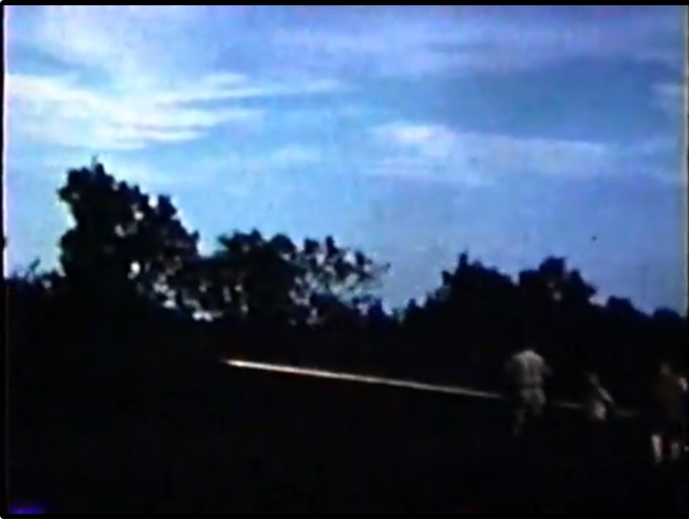
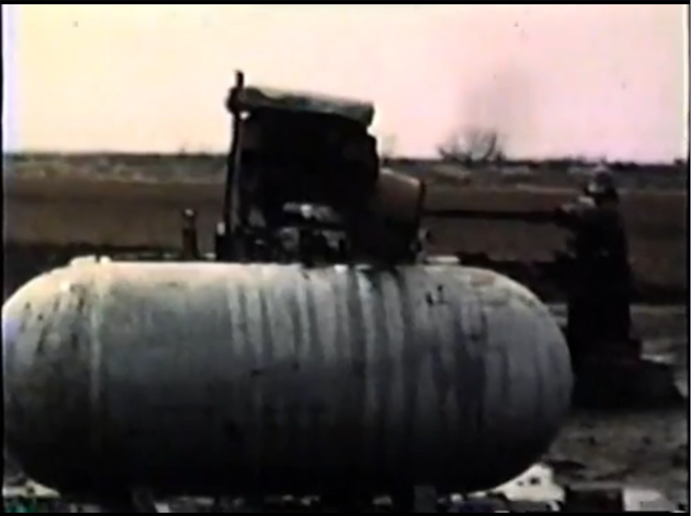
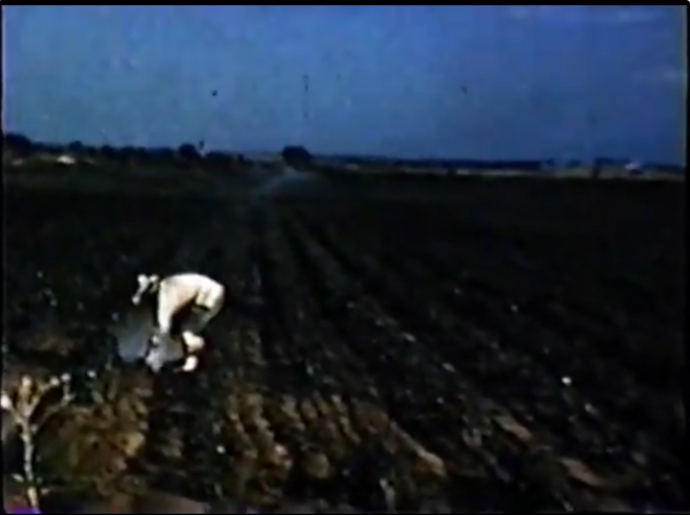
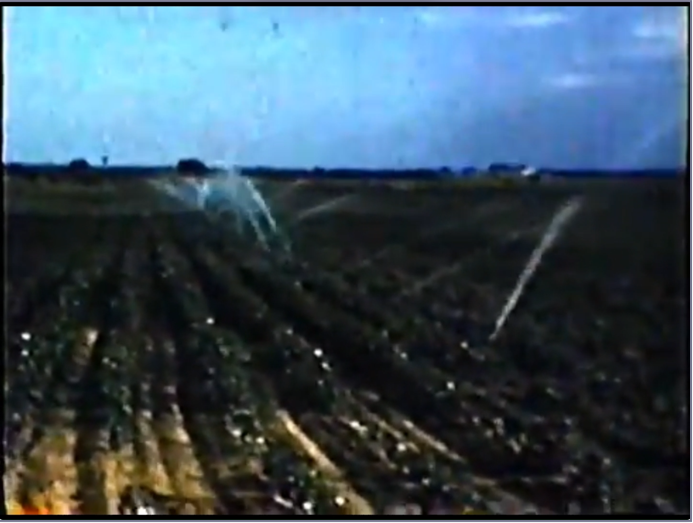
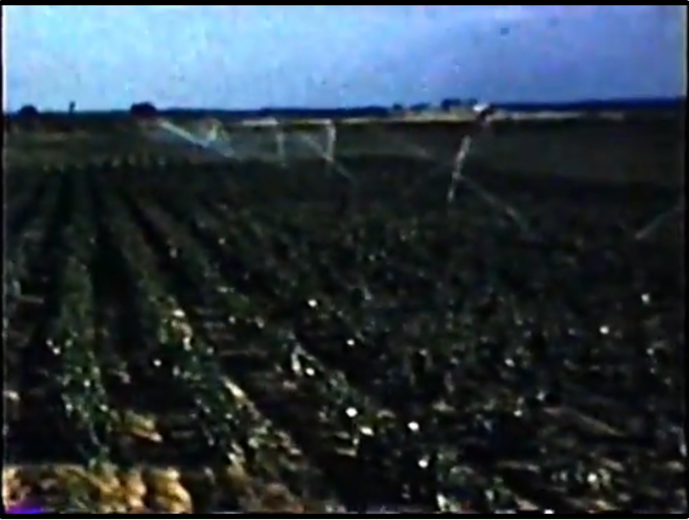
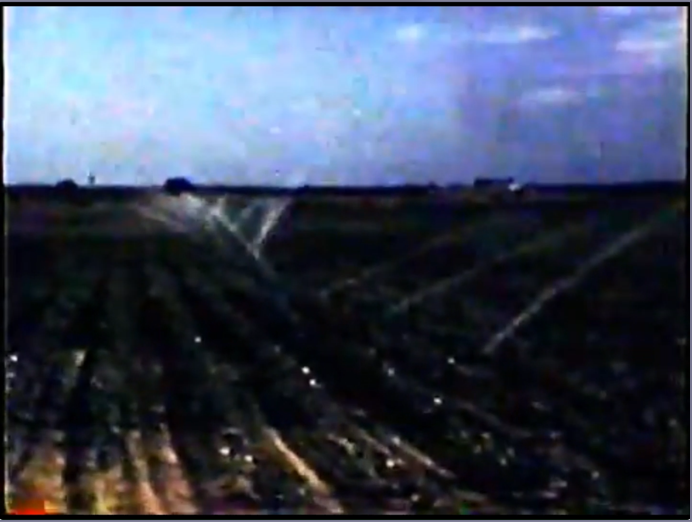
This was the pivot.– “Pivotal like a sprinkler head” — This is where weather stops being fate and becomes labor. These pictures are probably from about 1955. The pictures were probably taken because irrigation was new enough to be notable. (“I can’t imagine any other reason to be taking pictures of it”). Irrigation itself was the subject, not crops, not scenery, not people. The camera was documenting a system change. This is a hinge year.
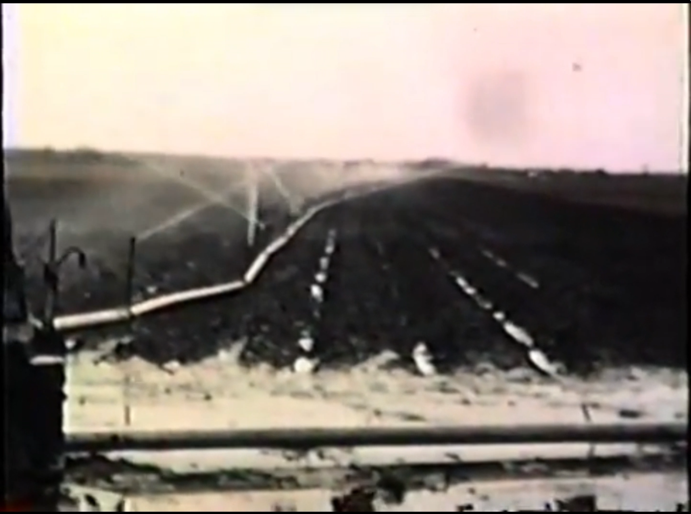
Wells pumping sand
“Sometimes it would [pump a lot of sand].” This indicates shallow or unconsolidated aquifer material, early well screens that were imperfect, and technology that was still catching up to geology. Sand was not an inconvenience — it was a system threat.
Why the pipes became unmovable
“Have to wash them lines out… otherwise they’d be too heavy.” Aluminum pipe was light until sand accumulated, water settled and the weight multiplied. This turned irrigation from “just turning on water” into continuous bodily maintenance.
The end-plug ritual
“You had a screw tor valve so that you could open up the plug… let it wash out until you got around.” This is not in manuals. This is field knowledge. It tells us that systems were designed assuming human intervention. Flushing sand was built into daily practice. Irrigation was not yet automated — it was participatory.
Why you had to start at the “front end”
This question is deceptively sharp: “Why didn’t you start at the back end to see if there was sand in the pipe?” You had to start up at the front end because if it didn’t align when you got to the feeder, you had to start over. then you had to move all the rest of them back.”
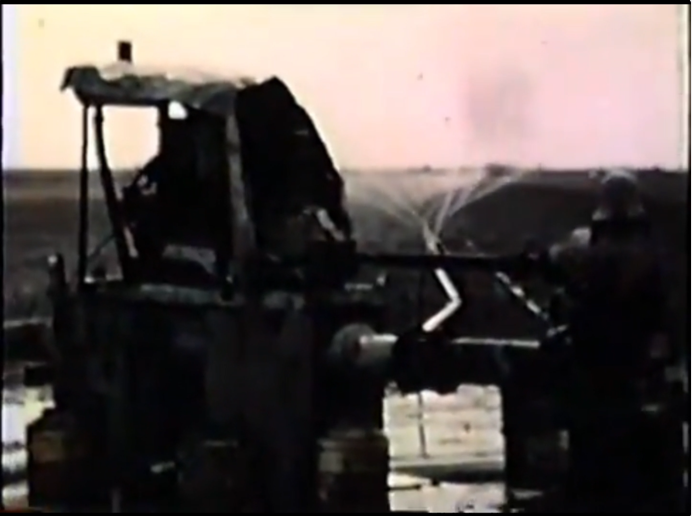
This tells us irrigation dictated sequence, sequence dictated time, and time dictated daily rhythm. Once irrigation arrived, the day was no longer elastic. You didn’t water when you felt like it. You watered because the system demanded it.
Water, With Hands
Water arrived by effort.
It did not come to the house; it was invited, persuaded, lifted.
Outside the bedroom window stood the cistern—
half door, weathered hinge,
the lower panel always shut,
the upper opening just wide enough for a body to lean into trust.
A rope. A pulley. A bucket that knew its own weight.
Sometimes the water shimmered wrong.
Too alive.
Mosquito larvae traced commas on the surface,
each movement a reminder that water is never neutral.
A thin sheen of kerosene—carefully poured,
not to poison the water,
but to interrupt the breathing of what did not belong.
Wait.
Watch.
Stillness return.
Scoop the evidence away.
This was drinking water.
This was guarded water.
Separate from the stock water—
the hauled water for baths and laundry,
the water that could be used up without regret.
Occasionally, a boy was lowered into the cistern,
feet dangling into cold shadow,
hands scraping silt and forgotten things from the bottom.
A descent into the family’s reservoir of faith:
Clean it now so we can trust it later.
Water taught early lessons.
That purity is maintained, not assumed.
That effort precedes comfort.
That survival is often quiet, repetitive work.
Water was heated on the stove.
Mixed by hand until it felt right.
Poured into an oval aluminum tub.
Baths followed an order that made sense without explanation:
cleanest first,
dirtiest last.
Water remembers what passes through it.
Laundry followed the same logic—
wash tub, rinse tub,
clothes lifted heavy with promise,
then handed to the wind on a line stretched between posts.
Sun and air finished what hands began.
Water was crossed.
Before the bridge was gone, it carried weight—
a quarter mile of wood, one lane, no rails,
hovering above a river that pretended to be harmless until it wasn’t.
After the bridge washed away, water became a meeting place.
Cars parked on opposite banks.
A phone call—when the line worked.
We’ll meet you there.
People walked across what remained,
or through what could be crossed,
business and affection carried by feet instead of wheels.
The river did not stop connection.
It redefined it.
Water separated—and therefore taught intention.
Water was feared.
Floods erased bridges.
Cisterns hid dangers.
Diseases waited in animals that drank where others had died.
Even silence could mean something had gone wrong.
And still—
water was trusted.
Because it had to be.
Water was shared.
Measured in buckets,
timed by chores,
heated for children and elders,
saved for tomorrow because tomorrow was never guaranteed rain.
It moved through hands, through ropes, through pipes,
through fields and across stories,
through memory now.
What remains is not just the water,
but the way it shaped lives:
taught patience,
forced cooperation,
made every crossing conscious.
This is how a place remembers itself—
not by buildings that vanished,
but by water that was hauled,
heated,
crossed,
feared,
and always—
shared.
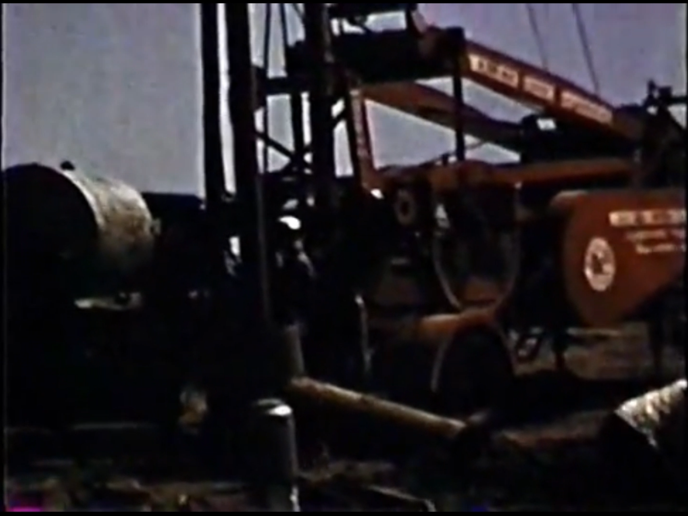
Windmill Drilling
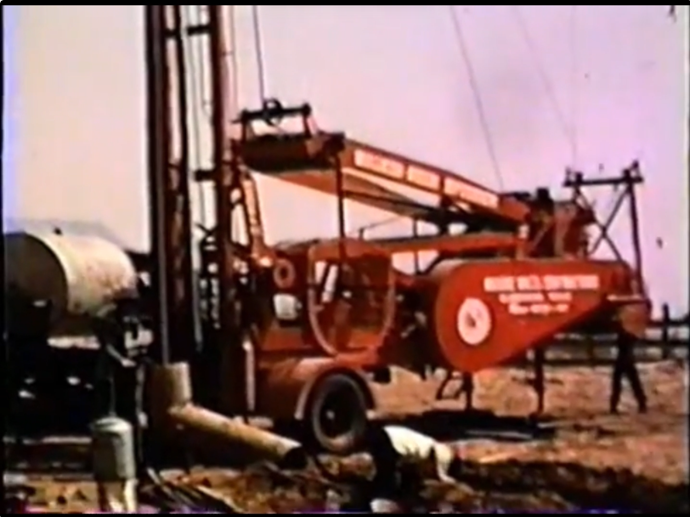
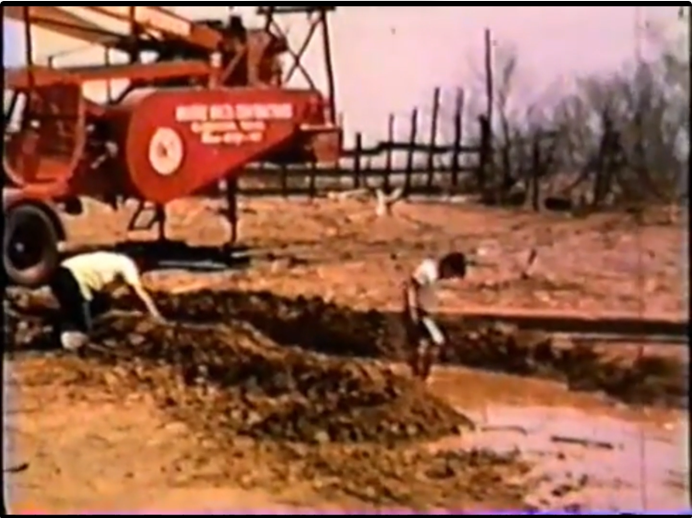
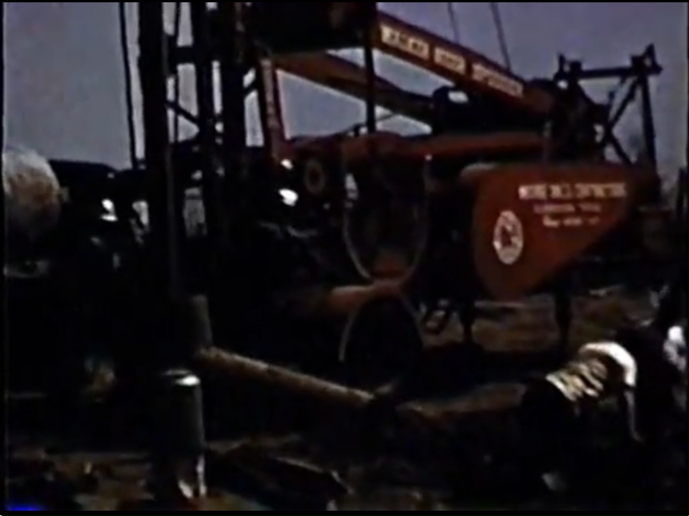
Water windmills were vital in the 1950s Texas Panhandle for providing water in remote areas Thousands operated for cattle and homes, with brands like Aermotor and Star dominating, providing a distinctive sound and essential water source for residents until modern solar pumps started replacing them later.
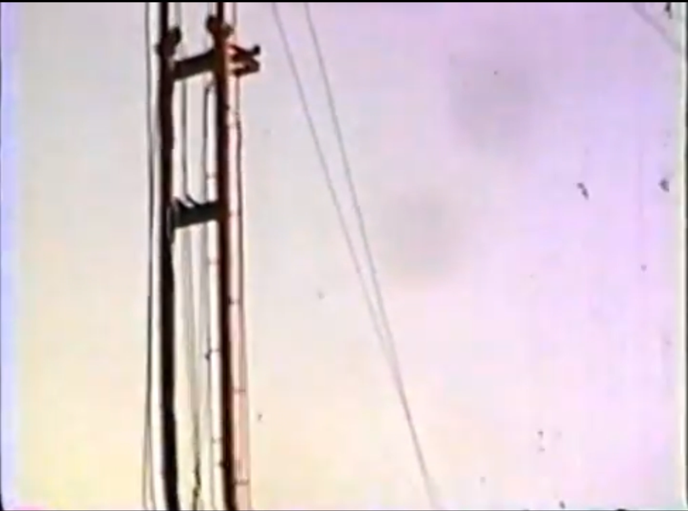
This shows the windmill being drilled on the home place. Before this, water had to be hauled, and heated by fire. After the windmill was in place, water was drawn, time reclaimed, and labor redistributed. The windmill was not progress, it was relief.
Electricity Comes to Brice
Knob-and-Tube Wiring
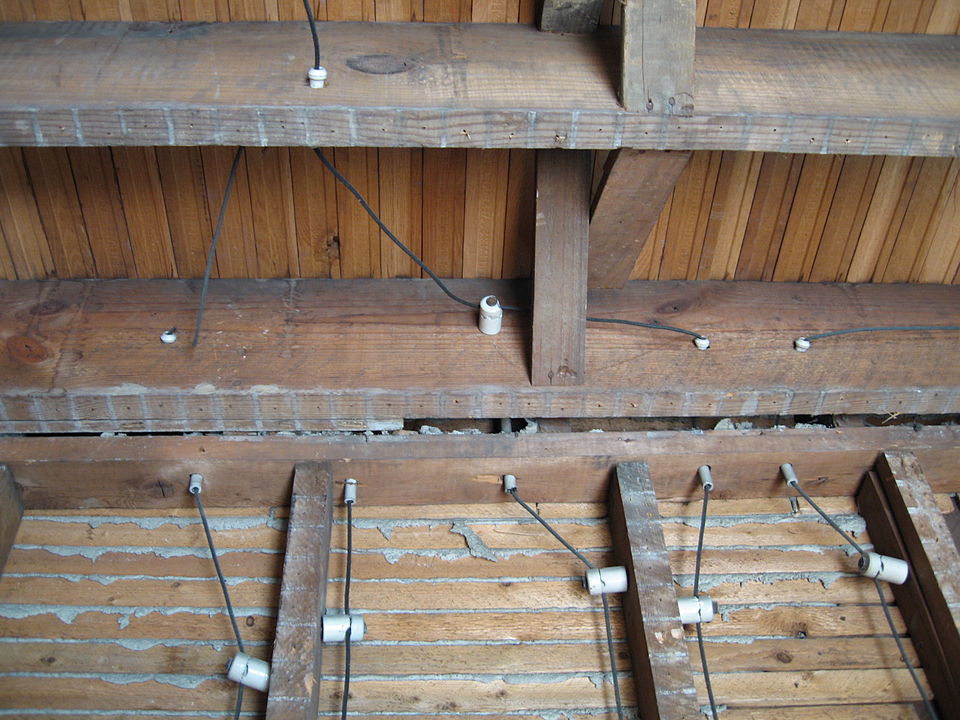
Cloth-covered wires and white ceramic pieces were part of knob-and-tube (K&T) wiring, used roughly from the 1890s through the 1930s — longer in rural areas like Texas. The ceramic insulators were attached with ceramic knobs that were screwed directly into wall studs, rafters, or joists using wood screws or nails. Ceramic tubes were inserted into holes drilled through framing members so the wire could pass safely through wood without touching it. The ceramic material was porcelain or glazed clay — non-conductive, heat-resistant, and durable.

The goal wasn’t concealment. It was separation. Hot wire and neutral were run several inches apart. Air acted as insulation and cooling, and fire risk was reduced (by the standards of the time). Walls were often left open, or wiring was run on the surface.
Cloth-Insulated Wire
Early electrical wire consisted of three main elements. The conductor was solid soft-drawn copper that could be bent by hand; not stranded and was relatively thick by modern standards.
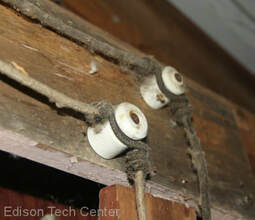
The insulation cotton, linen, or rayon threads braided or wrapped tightly around the copper. It was often impregnated with asphalt, tar, shellac, or natural rubber. This gave the wire flexibility, some moisture resistance, and a characteristic darkened, fabric texture. Sometimes there was an outer finish of waxed or varnished cloth. Occasionally, it was color-coded, but often just dark brown or black. Over decades, heat and oxidation made the insulation brittle, which is why old wiring can crumble when touched today.
Bare Bulbs and Pull Chains: Light Without Mediation
Bare bulbs was the common standard. The fixtures were porcelain sockets with no shades and no diffusers. A simple pull-chain switch completed or broke the circuit. The light was functional, not decorative.

After oil lamps, electric light felt violent, unreal, and almost holy. Coal-oil lamps had produced a warm, flickering light, low intensity with shadows and darkness as companions. Early bulbs produced a steady, shadow-killing brightness with no flame, no smell, and no ritual of trimming wicks or refilling fuel. Many people reported difficulty sleeping at first — daylight had invaded the night.
AC or DC?
During the introduction, DC (Direct Current) systems dominated. Thomas Edison strongly favored DC; however, DC worked well only over short distances. AC (Alternating Current) could be stepped up to high voltage, transmitted long distances, then stepped down safely. Transformers made rural electrification possible. By the time rural Texas was electrified, it was almost certainly AC, typically 110–120 volts, single-phase 60 Hz frequency (standardized in the U.S.).
How Electricity Reached Rural Areas
Before the Rural Electrification Administration (REA) in 1935, power generation was done in small, local power plants. They were usually steam turbines driven by coal, oil, and sometimes even wood. Later, hydroelectric plants were built in some regions with access to water.
Distribution
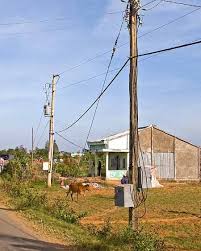
Electricity was distributed by wooden poles with bare copper or aluminum conductors. There was minimal insulation (air was the insulator) that covered long distances with frequent voltage drops. Many rural homes didn’t get electricity until late 1930s, 1940s and even early 1950s in some parts of Texas. The REA funded cooperatives, standardized wiring and safety, and brought power to farms that utilities deemed “unprofitable”.
Other Fascinating Aspects of Early Home Electricity
There were no outlets at first. Early systems powered lights only; appliances came later. Typically there was only one ceiling bulb per room.
At first, electricity was mysterious — and feared. People worried it would leak into beds, cause illness, or attract lightning. Insurance companies often refused coverage at first The fire risk was real — but accepted. Homes already had open flames, chimneys, and oil lamps, so electricity felt cleaner, even if imperfect
For decades, houses used electric lights (with oil lamps as backup), wood stoves and hand pumps all at once — a technological mosaic, not a clean break. The introduction of electricity was a threshold moment. Night stopped being absolute, homes no longer slept with the sun, and darkness became optional.
Electricity didn’t arrive as convenience. It arrived as astonishment. Electricity didn’t merely add light — it re-tuned time itself, especially on farms where daylight had long been the master clock.
When the Sun Was the Clock
The Changing of Time
Before electric light, farm life obeyed a solar grammar. Work began at first usable light, meals followed daylight and not the clock. Winter compressed life inward; summer expanded it outward with the length of daylight. Darkness was not an inconvenience — it was a boundary.
After sundown, outdoor labor stopped, indoor tasks were limited and precious. Lamp light was rationed — every wick burned money and effort. This imposed a natural punctuation on the day. You didn’t choose when night came; it came upon you.

The First Shift: Evening Moves Indoors
Daily rhythms shifted indoors. Electric lighting didn’t extend field work much at first. Instead, it reclaimed evenings. On farms, the earliest changes were subtle but profound. There were longer evenings at the table and more time for repairing tools, mending clothes, reading, letter writing, and quiet conversation. What changed was not productivity at first — it was presence. Families were able to linger. Rooms that once went dark early now stayed alive. The kitchen became a social space after sunset rather than a place of last tasks before sleep. Electric light thickened time; evenings felt longer — not rushed, not fading.
Memory Changes When Darkness Retreats
Before electricity, memory clustered around events such as sunrise chores, supper, lamp lighting, and bedtime. After electricity, memory began clustering around activities instead. This subtle shift mattered. Darkness once enforced forgetting — you stopped seeing, so the day ended. Electric light allowed continuity: thoughts carried forward, stories stretched longer, and projects could be resumed after dinner. People remembered evenings more vividly because they were no longer half-lit, half-vanishing.
The change was neurological; that electric light felt like daytime. The brain read it as extended day. Sleep patterns changed. So did dreaming. So did storytelling.
Storytelling After Sunset: From Firelight to Fixture

Under oil lamps and firelight, stories were intimate, shadows moved, faces were half-known, and silence participated. Electric light flattened shadows. This had consequences. Stories became Longer ,more detailed, less mythic, more narrative, less dependent on atmosphere, and more on content. The room no longer conspired with the story.
Yet something else emerged; reading aloud, newspapers were shared after dark. Later there were radio stories. Electric light didn’t kill storytelling — it changed its posture from circle → table, from flame → page, and from myth → memory.
What Came Next After Lighting?
Lighting was only the gateway convenience. On farms, the next uses of electricity followed a clear logic: relieve labor and extend control.
- Radios — Often the first non-light electrical device was often a radio. News arrived daily instead of weekly. Weather forecasts changed planning. Music entered homes without instruments. This was revolutionary. Farms were no longer informational islands, and national time entered the local rhythm. Families began organizing evenings around broadcast schedules. Time became shared beyond the farm.
- Electric Pumps – A quiet but enormous change was the electric pump. Water no longer had to be hauled, indoor plumbing became feasible, hygiene improved, and women’s labor decreased significantly. Some of the things that changed were morning routines, chore division, and health outcomes. Electricity didn’t just brighten rooms — it moved water.
- Refrigeration – Refrigeration altered food use. Before, there was daily or near-daily food preparation. Preservation was seasonal and labor-intensive. After, leftovers became normal, shopping cycles lengthened, and meals became less urgent. Time loosened its grip on eating.
- Washing Machines – Perhaps the most under-acknowledged revolution is that laundry shifted from an all-day ordeal to a background task. Mondays ceased to be physically punishing. Energy was freed for other forms of work — or rest. Electricity redistributed human endurance.
- Barns and Outbuildings – Only later was electricity used outside. This included barn lighting, milking machines, feed grinders, and later electric fencing. Outdoor production expanded, but carefully. Electricity did not replace daylight — it supplemented it, like a second sun that was used sparingly.
The Deeper Shift: Control Over Time
What electricity ultimately changed was not work hours, but agency. Before electricity, day dictated action, night enforced rest, and memory followed light. After, humans negotiated with time. Night became optional and memory became continuous. People no longer said “When the sun went down…” They began saying “After supper…” That’s a cultural pivot.
An Overview of the Arrival of Electricity
If daylight was a global rhythm, electric light introduced local control. An electric switch is a hinge between nature and intention, and given time or chosen time. Communal rhythm and personal agency became possible. Electricity didn’t defeat nature; it nested within it. On farms, electricity did not turn night into day. It turned night into possibility. People didn’t work harder at first. They remembered more. They spoke longer. They imagined further. In those newly illuminated evenings, something subtle happened. life gained margins — and in those margins, stories learned how to breathe.
Before the Switch: Darkness as a Companion
Folding Inward
Before electricity, grief, prayer, and solitude were bounded by night. Darkness was not absence; it was a structure. It ended labor, it shortened endurance, protected vulnerability, and folded emotion inward. Oil lamps and candles did not banish night — they negotiated with it. They created islands of light, surrounded by shadow, where inner life was held gently, briefly, and then released to sleep. Electric light changed that geometry.
Grief: When Sorrow No Longer Has a Bedtime
Before electricity, grief followed the sun. Mourning rituals were daytime affairs and evenings softened sorrow. Tears could hide in shadow and exhaustion brought mercy. Darkness contained grief. Night said: enough for today. After electricity, grief stayed awake. Electric light made it possible to sit together longer after a death, talk late into the night, and revisit memories without eye strain or flicker.
This changed mourning in two directions at once. Grief became more communal. Families kept vigil together, stories were told in full light, and silence was shared rather than enforced
More relentless, there was no natural fade-out, sorrow could loop, and night no longer insisted on rest. Many elders later spoke of this as both a gift and a burden. “You could keep company with grief longer — but it would not always let you go.” Electricity did not deepen grief. It extended its reach.
Prayer: From Threshold Ritual to Sustained Practice
Prayer before electricity lived close to ritual; bedtime prayers, mealtime blessings, memorized words, and familiar cadences. Lamp light favored short forms, spoken prayer, and communal recitation. Mystery thrived because vision was limited. Electric light altered prayer’s posture.
Under steady light, scripture could be read late into the night, journals could be kept, letters to God could be written, and silence could last without strain. Prayer became more reflective, more personal, and more varied. Something subtle also shifted. Electric light reduced awe-by-obscurity. Faith could no longer lean as heavily on shadow. Prayer had to move from atmosphere to attention, from ritual to intention, and from dimness to depth. For some, this was liberation. For others, it felt like exposure. The room was fully lit — and so was the soul.
Solitude: From Imposed Condition to Chosen State
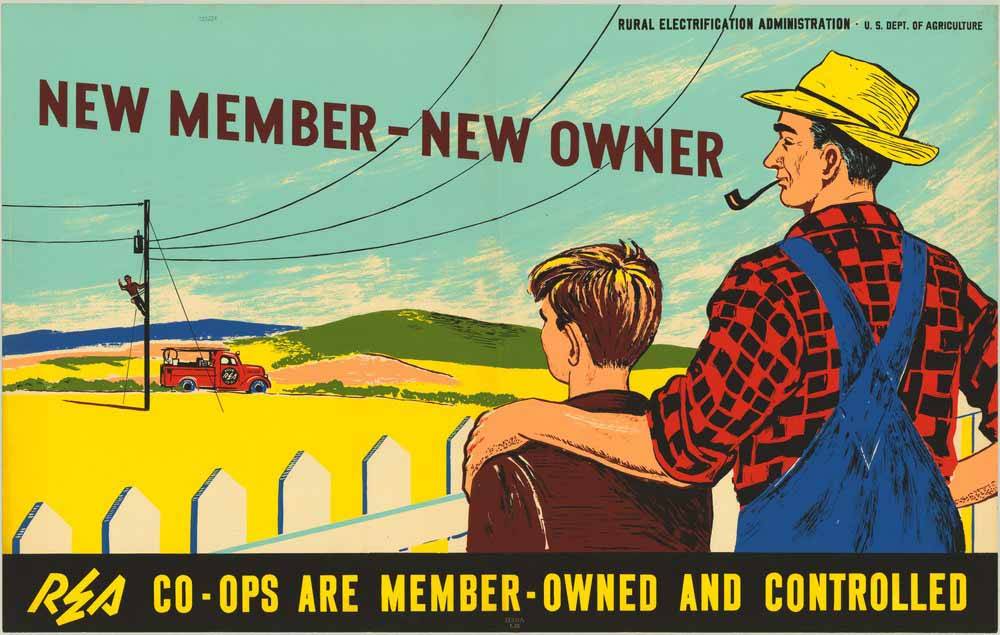
Before electricity, solitude was often forced. Darkness limited interaction. Silence arrived whether invited or not .Loneliness was a condition of night. People slept earlier not because they were tired — but because there was nowhere else to go. After electricity, solitude became elective. One could read instead of sleep, think instead of dream, or sit alone without being in the dark. This transformed solitude’s meaning. It became a refuge, a practice, or a place to meet oneself consciously. But it also became avoidable. Electric light and radio (later television) meant that silence could be filled, stillness postponed, and aloneness softened by voices. Solitude stopped being guaranteed. It had to be chosen.
The Hidden Tension: Light vs. Surrender
Here is the quiet paradox electricity introduced: darkness invited surrender while light invited control. Grief once ended because night ended the body. Prayer once stopped because flame flickered low. Solitude once arrived because nothing else could be done. Electricity removed those thresholds. Grief, prayer, and solitude became deeper — but more demanding, longer — but less forgiving, more intentional — but less merciful. Human beings gained agency —
and lost automatic rest.
What Was Gained
With electricity, there was extended companionship in sorrow, deeper theological reflection, conscious solitude, and memory was sharpened by visibility. Before electricity, there was the kindness of enforced endings, the anonymity of shadow, the sacred punctuation of night, and the body had permission to stop. Electric light did not banish night. It moved night inside us. Where once darkness arrived on schedule, now it had to be welcomed. And in that shift, humanity learned something difficult and precious; rest, reverence, and release are no longer given automatically — they must be chosen with care.
Electric Light, Insomnia, and Spiritual Fatigue
Electric light taught us how to stay awake. It did not teach us how to rest. Insomnia is not merely sleeplessness; it is the echo of a world where night no longer insists on surrender. When darkness stopped arriving uninvited, the body lost an ally. The soul lost a boundary. Spiritual fatigue follows the same pattern. Prayer once ended because the flame dimmed. Grief once softened because sleep arrived. Silence once came because there was nothing else to do. Now, light waits for the choice of dark. And so we stay awake — not because we must, but because we can. Thought loops. Sorrow revisits. Meaning feels effortful. The problem is not stimulation, but duration without closure. Electricity did not exhaust us. It removed the punctuation that protected us from ourselves. Rest now requires intention. Sleep has become an act of trust. Darkness must be chosen — and that choice is tiring.
Radio and Electric Light
How Rural America Entered the National Conversation
Electric light made radio possible as a nightly ritual. Radio made the nation audible. Together, they rewired political awareness in rural America — not through ideology first, but through presence. Before Radio, politics was an occasional intrusion. On farms before radio, news arrived by weekly newspapers, word of mouth, or church and town meetings. National politics felt distant and awareness was episodic, not continuous. Politics was something that happened elsewhere.
Radio Changed the Scale of Belonging
Radio brought the same voice into millions of homes at the same time and under the same light. This mattered deeply. For rural listeners Washington stopped being abstract, and leaders became voices. Tone mattered as much as content. Franklin D. Roosevelt’s fireside chats are the canonical example, but the effect was broader. For the first time, rural Americans heard themselves addressed directly, not summarized later. Electric light kept people awake long enough to listen attentively, and radio gave them a reason to do so.
Evening Political Consciousness
Radio listening typically happened after supper with lamps off, lights on. Chairs were drawn inward and children were quieted. This was not passive consumption. Families discussed what they heard. It might include farm policy, war news, labor conditions, and weather forecasts tied to national patterns. Politics moved from courthouse to kitchen, from occasional to continuous, and from abstract to conversational. Opinion formation became a nightly practice, not a seasonal one.
The Psychological Shift: From Local to Regional Identity
Radio did not erase local identity. It stacked identities. A farmer could be loyal to land, rooted in church, aware of global war, and invested in federal policy. This layering required time to absorb. Electric light provided that time. Without light, radio would have been a novelty.
With light, it became a habit.
Subtle Authority Shift
Before radio, authority was local and visible. After radio, authority became vocal and distant — but intimate. This had consequences. There was increased trust in federal institutions (especially during the New Deal), increased expectation of explanation, and a new sense that leaders owed clarity, not just power. Rural political awareness became listening-based, not rumor-based.
Electricity and the Inner Life
Grief Without the Cover of Darkness
Before electric light, grief had shadows. Tears were hidden by dusk, and silence was enforced by night. With electric light, grief stayed visible longer, mourners would sit together later. The day did not end grief — it extended it. This made grief more shared, but sometimes less private.
Prayer After the Lamp
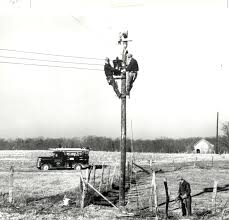
Oil lamps encouraged short prayers, memorized prayers, and communal prayer. Electric light allowed reading scripture after dark, writing prayers, and silent contemplation that did not strain the eyes. But it also displaced mystery. Light reduces ambiguity. Faith had to find new depths, not just new duration.
Solitude Becomes Chosen, Not Imposed
Darkness once forced solitude. Electricity made solitude optional. One could read, one could listen, or one could stay awake. This changed the meaning of solitude. It became a practice, a choice, and a space to enter — or avoid. This was a profound shift.
A Closing Thought
Radio and electric light did not politicize rural America in a crude sense. They did something quieter; they trained people to listen together, extended attention past sunset, and created a shared temporal window where private lives touched public life. In doing so, they prepared the ground for both broader civic engagement and deeper inner questioning.
Antelope Flat
What is the name — Antelope Flat or Antelope Flats? Antelope Flat (no “S”) is real and persistent. That is what the residents and locals called it. Antelope Flat is not ambiguous in lived reality — only in paperwork. Antelope Flat—sometimes with an s, sometimes without—was not confused about itself, even if the records were. It did not argue with spellings. It accepted presence as the final word.
The ambiguity apparently begins when it appears explicitly labeled as “Antelope Flats” on the 1960 USGS Brice quad (bottom-left quadrant, south of the Prairie Dog Town Fork of the Red River). The name persists across several generations, which usually means it was already well-established locally before formal mapping. Its placement corresponds to grazing land, limited cultivation, and low relief.
Antelope Flat functioned as a micro-community, even if it never incorporated or left much of a paper trail. It is what historians often call a service node rather than a town. At one time, Antelope Flat had a small grocery / supply store, gasoline availability, a schoolhouse, roads converging, and proximity to a river crossing
Places like Antelope Flat often never appeared in city directories, never had post offices, and vanished quickly once roads, power, or bridges changed, They existed because people needed them, not because they were formally planned. That explains why there’s very little surface evidence today, why maps label the area (Antelope Flat[s]) rather than a town dot. It shows that memory outlasts documentation.
Small settlements that lasted longer than expected often had strong local school boards, Community buy-in for teachers, multi-grade schoolhouses that doubled as civic centers, and perhaps even a willingness to tax themselves (rare but decisive).
In the published record, Antelope Flat shows up less as a platted “town” and more as a place-name tied to Antelope Creek and the ranchland around it. Texas State Historical Association notes that Antelope Creek flows northeast to the Prairie Dog Town Fork of the Red River, and that the surrounding area—once part of the Shoe Bar Ranch—became the site of “Antelope Flat,” described as a sparse ranching community. The “origins” are likely ranch-and-water origins: a named flat along a wet-weather creek that mattered because it provided grass, stock water, a recognizable landmark on the caprock country’s edge, and a way to describe where someone lived without there necessarily being a formal town.
The Texas Almanac classifies Antelope Flat as a town that no longer exists. That usually means: no enduring commercial core (post office/store/school) survived long enough to keep it on modern road maps once rural consolidation accelerated (school consolidation, mail routing changes, mechanization, fewer farm/ranch families per square mile).
23 Miles NE of Silverton
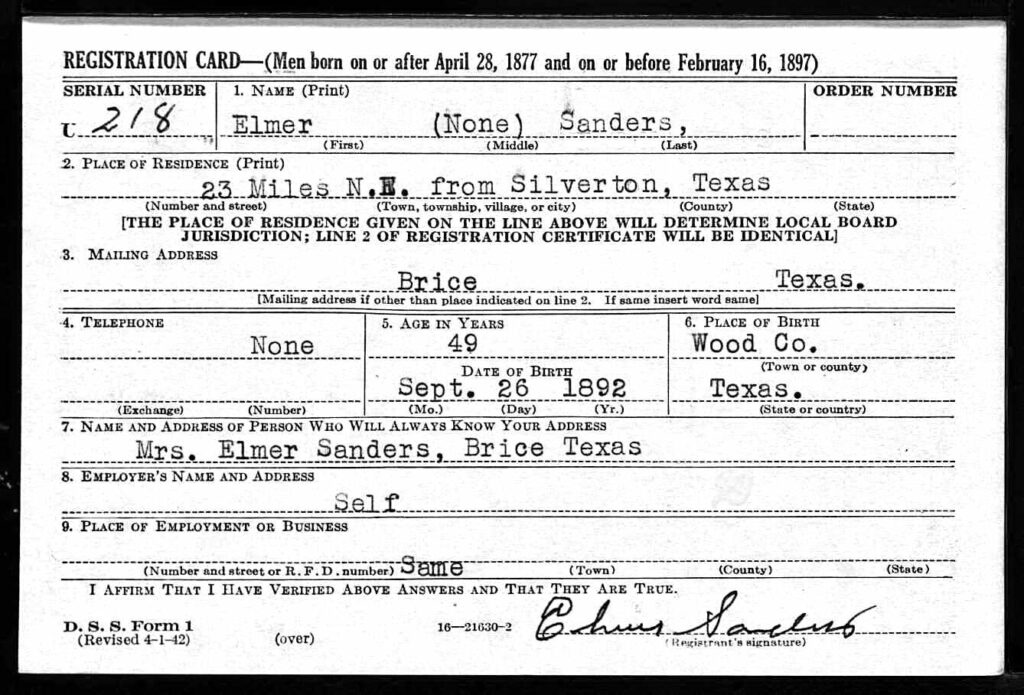
There are places that never learned how to stay on a map.
They lived instead in directions.
Not in a town, but from one.
Not named by incorporation, but by distance, memory, and need.
23 miles northeast of Silverton.
That was enough.
Enough for the census taker.
Enough for the draft board.
Enough for a family to build a life that did not require permission to exist.
The road did not announce itself. It bent when it needed to, narrowed when it must, and ended where the land said here. Telephone poles followed like stitches, evenly spaced, marking intention more than progress. Electricity came slowly, and sometimes not at all. When it did arrive, it hummed rather than shone.
Antelope Flat—sometimes with an s, sometimes without—was not confused about itself, even if the records were. It did not argue with spellings. It accepted presence. You lived there, or you didn’t. You crossed the river, or you waited. You learned where the ground gave way and where it held.
This was a place where gasoline was lifted by hand into glass bowls and poured by gravity into tanks, where engines depended on slope and foresight, where backing up a hill could be the difference between arrival and being stranded.
A place where water came from wind, not wires. Where a schoolhouse ran on a generator driven by the same air that shaped the land.
The bridge washed away when the river decided it had had enough of being crossed. For a while there was nothing—no bank, no structure—only the understanding that children could still wade where adults once drove.
That absence did not erase the place. It clarified it.
The fields taught their own curriculum.
Cotton rows in summer heat, hoes biting into packed soil, water carried in milk jugs that warmed by noon and tasted faintly of plastic and endurance. Johnson grass learned quickly that if you left even a piece of its root behind, it would return stronger, more certain of itself than before.
Stickers were not categorized. Goatheads, sand burrs—it didn’t matter. They went by a single name because the response was the same: stop, sit, pull, endure the needle, continue. Pain was not dramatized. It was handled.
Jimson weed was poison. That was the only explanation needed. It made cattle strange. That was enough reason to fear it. No one spoke of alkaloids or visions. That was city language. On the farm, knowledge was practical or it wasn’t knowledge at all.
Red ants arrived later. When they did, gasoline and fire were used with the same quiet decisiveness as the hoe. The problem was addressed directly. Nothing sentimental was added.
In the slower seasons, when fields slept or waited, hands turned inward.
Crochet hooks traced patterns that were never written down. Afghans and doilies grew outward from centers, repeating themselves without ever quite repeating themselves. No one called it mathematics. No one called it art. It was simply what hands did when they remembered how to listen.
Those hands would one day forget.
Disease would arrive without metaphor. Dexterity would leave. Memory would loosen its grip. One would lose language first, the other precision. The work of a lifetime would narrow to the work of being cared for.
And still—still—the record holds.
A census line.
A draft card.
An address that is not an address at all, but a sentence:
23 miles northeast of Silverton.
The Gas Station
Gas pumps with hand pumps and glass measuring gauges, known as Visible Gas Pumps, worked by manually pumping fuel into a large, calibrated glass cylinder (globe) atop the pump. This let customers see the quality and quantity, and then using gravity to drain the measured gas into their vehicle’s tank. These devices dominated from the 1910s to the 1920s before electric pumps took over. It lingered into the late 1940s in rural areas where electricity was absent.
The fact that Antelope Flat still used gravity-fed pumps, measuring bowls, and gas buckets tells us two important things. There was no abundant grid electricity, and traffic volume was low but steady enough to justify fuel. That aligns perfectly with a bridge crossing, agricultural traffic, farm families, and school attendance. Once the bridge washed out — the need for gasoline at Antelope Flat collapsed.
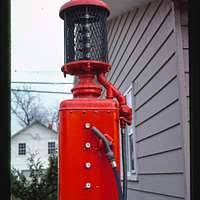
How They Worked
An attendant would use a hand lever or crank to pump gasoline from an underground tank up into the tall, clear glass cylinder (globe). The globe was marked in gallons, allowing drivers to watch the fuel level rise and confirm they were getting the amount they paid for. Once the desired amount was reached, a valve was opened at the bottom of the globe, and gravity would send the gas down a hose into the car’s tank. The clear glass also let customers see if the gas was clean or dirty, a big advantage over early methods.
Key Features
- Gravity Flow: Relied on gravity for dispensing after measurement.
- Glass Globe: The defining feature, holding 5-15 gallons, was a visual display.
- Hand-Operated: Powered by a manual crank, not electricity.
The Old Wooden Bridge
Older crossings often sat on county roads, section lines, and routes that made sense for who lived there, not who passed through. The bridge associated with Antelope Flat that provided for family movement and ranch or farm access would probably align with something like Road 35 extended north, not the later TX-256 alignment. That would explain why few remnants remain, why only concrete fragments survive, and why it is remembered as a place, not a structure. Those older bridges were used intensely, briefly, and then forgotten.
Some of the characteristics of the Antelope Flat bridge would be a narrower deck, straighter alignment, and possibly timber or low steel with concrete abutments. It was built for local access, not through traffic and was vulnerable to flood damage.
When TX-256 was upgraded, the new bridge did not reuse the old alignment, traffic shifted, and the old bridge was abandoned, washed out, or dismantled. That is why only concrete remnants survive. The older bridge likely predates the mid-1950s, may have failed or been removed earlier, and existed during your grandparents’ early farming years.
Backing Down the Road
Gravity-fed fuel systems were common in automobiles before mechanical fuel pumps became standard in the late 1940s. On steep grades, fuel starvation could occur if the tank level was low and the outlet was poorly positioned. Early automobiles (including early Fords) often relied on gravity-fed fuel systems and carburetors that assumed downhill flow.
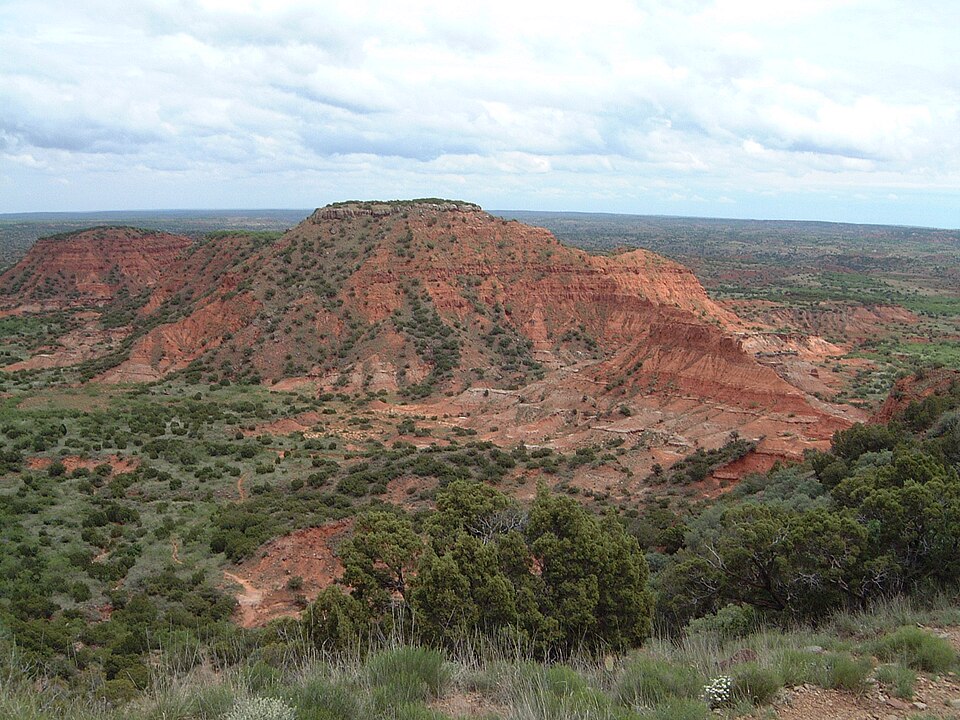
To get to Silverton from the Antelope Flat area, you would start on the flat High Plains . As you head towards Silverton, you would ascend up the Caprock, experiencing steep grades and winding roads. You would descend back down into the higher plains as you approach Silverton, which sits on the edge of the canyon lands. These are not a simple inclines; it’s a journey up into the broken country and back down, with significant, varied elevation changes typical of crossing the Caprock Escarpment.
My Dad related that when crossing through the Caprock, it was important to start with a full fuel tank. If one did not, the slope of the road could cause starvation of gravity-fed fuel to the engine because of the location of the gasoline feed. If this happened, they had to rely on another to bring more fuel, or to back down the road to reverse the angle of the fuel in the tank. Backing up a hill to restore fuel flow is a story that could only come from lived experience. Backing up a road to make gasoline flow again is applied physics as folk wisdom.
Backing up the road so the fuel could find its way forward is one of those quiet truths that carries far more meaning than it first appears. It is physics, geography, improvisation, humility, and cooperation all wrapped into one lived moment.
Bombing Range near Antelope Flat
Bombing Practice
During World War II, numerous temporary bombing and gunnery ranges were established across West Texas and eastern New Mexico. One of these practice bombing ranges was near Antelope Flat east of Highway 256. It was linked to training bases in Lubbock, Amarillo, Clovis, and Alamogordo. When it was being used, the residents of Antelope Flat could hear the explosions. These ranges were often poorly marked afterward and cleanup was inconsistent.
B-36 Aircraft
Much of the bombing practice was carried out by B-36 aircraft. The B-36 was powered by six Pratt & Whitney R-4360 Wasp Major radial piston engines. These were mounted on the back of the wing, and propelling by pushing rather than the more conventional front mounted engines. Later B-36 variants were fitted with and additional four jet engines, making a total of ten engines, the most engines of any mass-produced aircraft. Of course, it had a distinctive sound unlike any other aircraft.
Unexploded Ordnance
Even in the recent past, unexploded ordnance could be found. It was generally tubular, a rounded nose, with tail fins. These were practice bombs, some of which did contain explosive charges and some were intentionally duds so that the landing could be more accurately tracked.
Some contained of the bombs contained nitroglycerin, so danger was real. Many unexploded munitions remained dangerous for decades. Kids could haul them home in a pickup; utterly believable now.
The Antelope Flat Baseball Team
This photograph is not incidental—it’s evidence of community identity. Baseball teams in places like Antelope Flat served multiple roles: Recreation, reputation, and inter-community bonding (Brice, Clarendon, Lakeview, Memphis). Teams often played after planting and before harvest on makeshift diamonds near schools or open pasture. This also suggests that baseball was another way families declared their presence. Antelope Flat wasn’t just a place on a map. It was a system of survival —navigated daily by people who shared water, roads, schools, danger, labor, and memory.
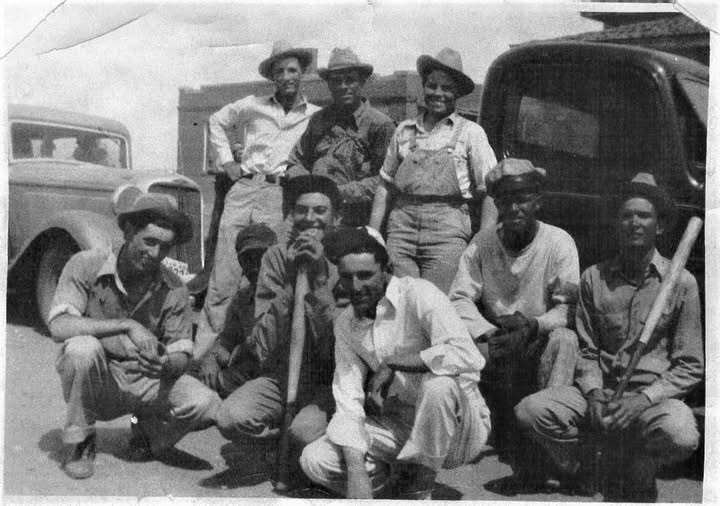
Antelope Flat baseball team. Front row; Andrew Richey, Steve Edens, Leon Sanders, Blackie Durham, Lonzo James, Ray Waldrop Back Row; Cotton Durham, Hugh Sanders, Aubrey Sanders.
Highway 256 Bridge
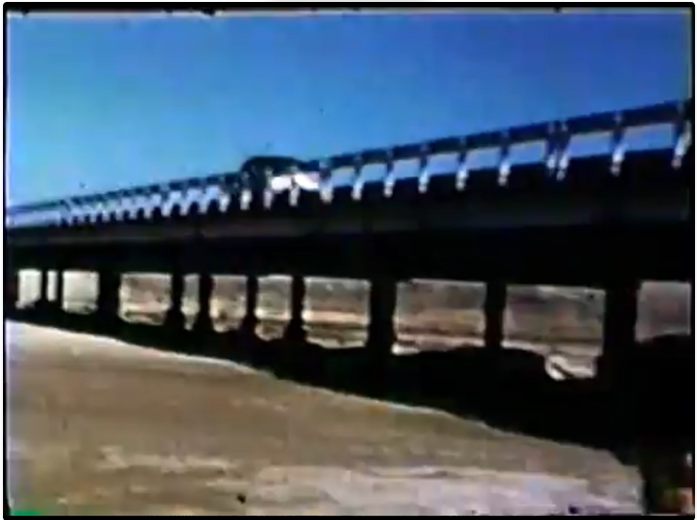
TX-256 is a state-maintained connector, upgraded mid-century. It crosses the Prairie Dog Town Fork of the Red River. Its bridges were rebuilt to modern standards earlier than many county roads. The guardrail style and spacing match known TX highway bridges of that era. These pictures almost certainly shows the replacement bridge, not the earlier one tied to Antelope Flat.
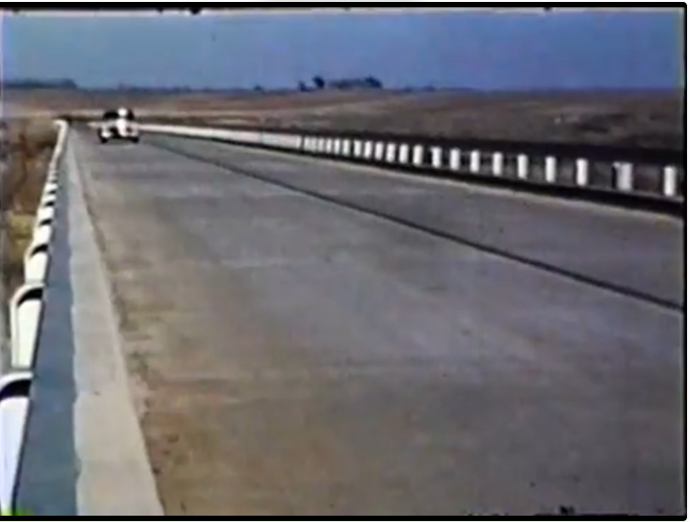
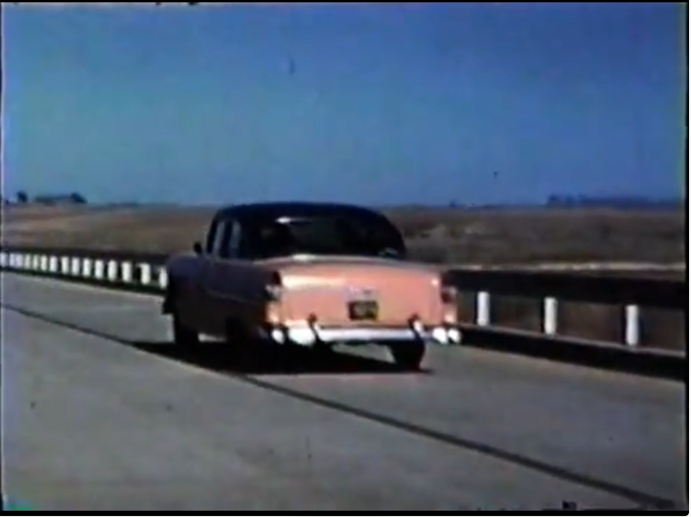
It has a concrete deck, concrete curb with short, evenly spaced vertical posts (not a truss, not timber), it is two-lane width, and has an engineered guardrail rhythm, uniform spacing. This is not a temporary, county-built, or early ranch bridge. This is a state-standard highway bridge, very likely post-WWII (late 1940s–1950s).
This bridge appears to be engineered; the roadway is slightly crowned, there is a gentle curve immediately after the bridge, and the approach is not aligned to a strict section line. Older bridges ran straight, followed property lines, and were cheaper to replace than to realign. This bridge follows floodplain engineering, prioritizes speed and flow, and anticipates increasing traffic That is typical of mid-century highway design.
The vehicles on the bridge provide a dating clue. There is a mid-1950s sedan (rounded rear, chrome bumper) and a two-tone car approaching from the opposite direction. That places the picture comfortably in the mid-to-late 1950s, possibly brushing early 1960s
Meeting at the Broken Bridge
After the bridge washed out,
it did not disappear all at once.
It stayed—
in ribs of timber,
in teeth of iron,
in a memory of where crossing used to be possible.
1951, or close enough that the number doesn’t matter.
What mattered was that wheels stopped where feet continued.
On one side of the river lived your great-grandfather,
still “Brice” by mail,
still Antelope Flat by body and breath.
On the other side lived family, errands, town, and time.
The address stayed put.
The river did not.
When the bridge failed, it didn’t end visiting.
It revised it.
Cars came as far as they could.
Engines cooled.
Doors opened.
People stepped out into weather and distance.
If the phone worked—and sometimes it did—
a call went through crackle and luck:
We’re coming over.
Meet us at the bridge.
That word did the work the bridge no longer could.
They parked on their side.
Granddad parked on his.
And between them was the river,
reduced—by drought, by season, by familiarity—
to something a person could walk.
Children crossed first.
They always do.
Feet learned the stones.
Hands reached for balance.
The river was not an obstacle;
it was a pause—
a shared inconvenience that taught patience.
Business was conducted standing up.
News was exchanged with coats still on.
Laughter crossed more easily than freight ever had.
Sometimes the phone was down.
Sometimes it shorted out in weather or time.
Then the bridge had to be trusted in a different way—
as a place someone might be
because it had always been a place someone went.
So they showed up anyway.
This is how infrastructure degrades in human memory:
not as failure,
but as adaptation.
The bridge did not vanish.
It thinned into ritual.
A meeting point instead of a passage.
A promise instead of a convenience.
And the river learned to listen—
to voices calling across it,
to footsteps that knew exactly where to land,
to the quiet understanding that
we will meet you as close as we can
is sometimes the most faithful sentence people can offer each other.
No monument marks this arrangement.
No sign records it.
But it happened.
And because it happened,
the bridge—broken though it was—
still did what bridges are meant to do.
It connected.
Videos
These are portions of the home movies of Hugh and Oneta Sanders. The original 8mm film footage was probably taken about 1955-62, mostly on the land they farmed near Brice, Texas. Several years ago, I digitally enhanced them and put the footage in more or less chronological order and preserved them in digital format.
8mm Film – Resolution, Clarity, and Cost
8mm film had low resolution by modern standards—but high intentionality. Its technical specifications include a frame size of 4.8 × 3.5 mm (8mm refers to the entire film width, which include the holes for sprockets to move the film across the lens), and the exposure: was 1/16 of a second. It required a manual aperture adjustment for lighting conditions and there was no instant feedback. Film cost money, and there was a delay to see the results, as it had to be sent away for processing. Every foot of film mattered.
What we see; now—grain, blur, washed highlights—is not failure. It is magnification beyond design. These films were meant to be projected small on a screen from a projector, experienced collectively, and remembered emotionally. We cannot expect 8mm to perform like 4K still photography. It cannot—and should not.
Clarity does not equal Resolution
Resolution is technical detail. Clarity is recognition. These 8mm films succeed at clarity. You know who that is, you know where you are, and you know what matters.
Why the Frames Look the Way They Do
The combination of short exposure and hand-held camera led to motion blur. Manual aperture guesses and and adjustments led to blown highlights or deep shadow. The small negative enlarged many times leads to visible grain. Aging film stock led to color shifts and contrast loss. None of this is error. It is evidence that film was precious, memory was selective, and attention was deliberate.
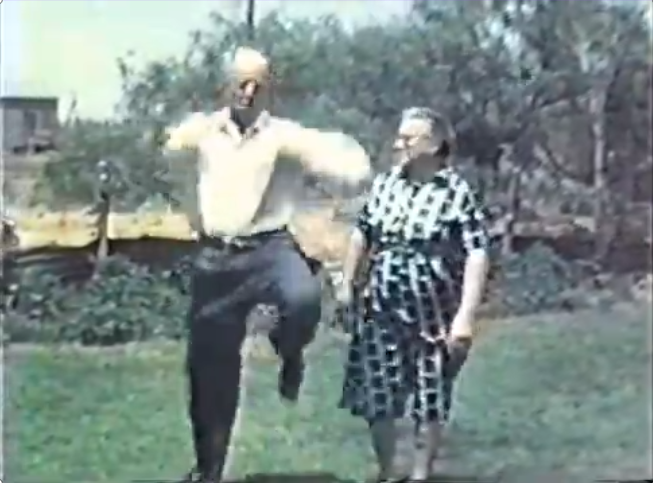
Any time I watch these, I am in awe and appreciation of those who came before. The audio commentary is from family members watching the video on different occasions. They were unaware they were being recorded, and it provides a wonderful narrative and background to the video.
Watching these today
I often say that “we stand on the backs of the giants who came before us”, and then I question “how do we want to live into that as a future?” We’re not standing on their backs —we’re standing in their posture. That showed up as how they showed up for neighbors, how they absorbed risk, how they shared burden, and how they accepted limits without surrender. Those are not abstract virtues. They are embodied choices. The giants we speak of weren’t towering because they dominated. They were giants because they carried weight together — and left behind footholds instead of monuments.
“How do we want to live into that as a future?” That question is not answered by better technology, higher resolution, or faster systems. It is answered by where we place trust, how we distribute responsibility, and whether we leave room for human anchors. Progress isn’t about removing humans from the system. It’s about keeping humans visible within it.
What the Film Remembers
8mm film does not capture the world.
It captures permission.
Permission to remember only what mattered enough to be filmed.
A hand on a shoulder.
A bridge before it was gone.
Children crossing water because there was no other way.
The blur is not absence.
It is mercy.
The grain is not noise.
It is time, showing itself.
Every frame cost money.
Every second required waiting.
So the camera was lifted only when life said: This.
Video Sources
YouTube videos of unusual occurrences in the Panhandle
Channel 1 – The Unusual
YouTube videos of irrigation.
Channel 2 – Irrigation
Daily Life – Maybe these activities didn’t happen every day, but they were typical tasks. Some varied by the time of year, and some were truly everyday occurrences.
Channel 3 – Daily Life