Chicken Harvest
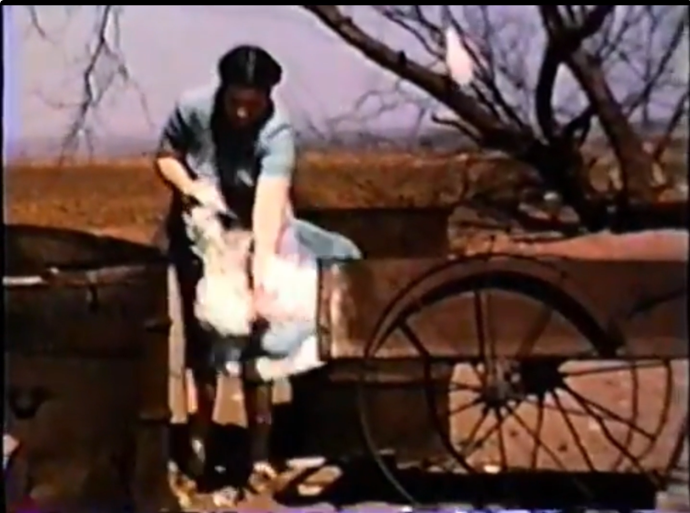
This series of images needs no explanation. This says meat is produced, not purchased, death is part of provisioning, and food has a story, not a label.
What the images show
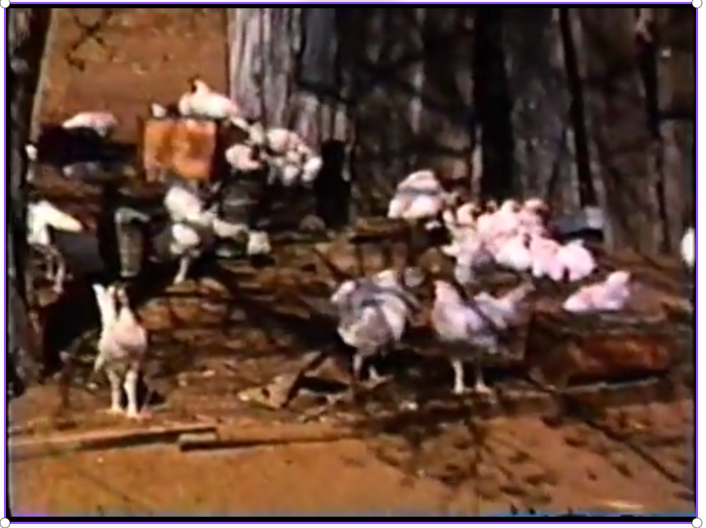
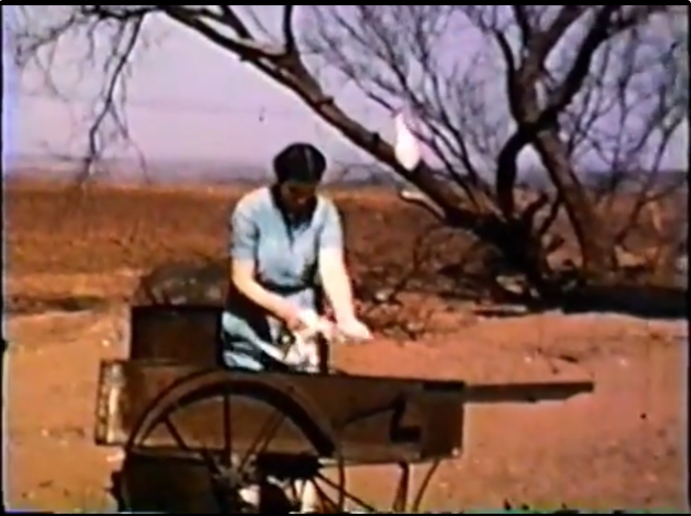
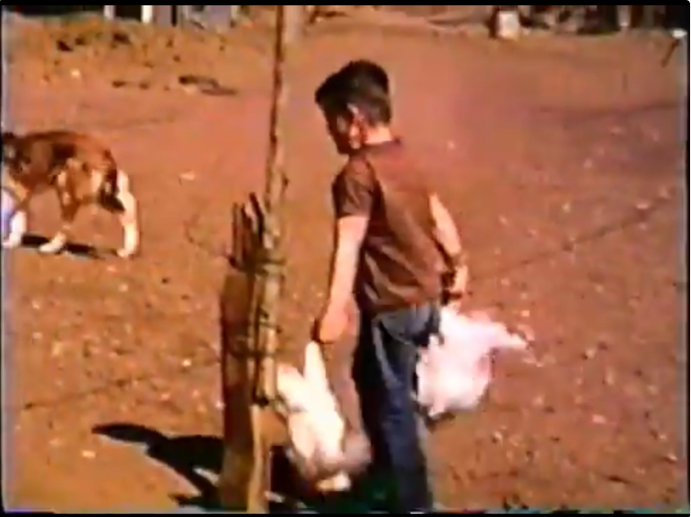
The images show a mixed flock; chickens in various stages, some already processed. It shows a simple outdoor setup: scalding pot, plucking, dirt yard. They show an adult working steadily, a child carrying chickens with purpose, not play. There is no spectacle, no sentimentality — just what must be done.
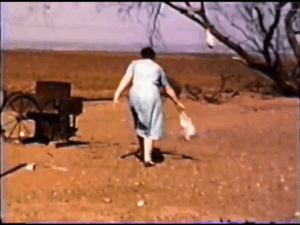
In remembering how it used to be done, it is said “Before they used to pull all the feathers off and then singe.” That says that techniques evolved, labor became slightly less brutal, memory is being used to measure progress, and no one is pretending this work was ever cute. This isn’t nostalgia. It’s continuity without romanticism.
And the child?
The child isn’t shielded. They’re included — carefully, practically, without drama. That is a worldview — You belong here because this is where food comes from.
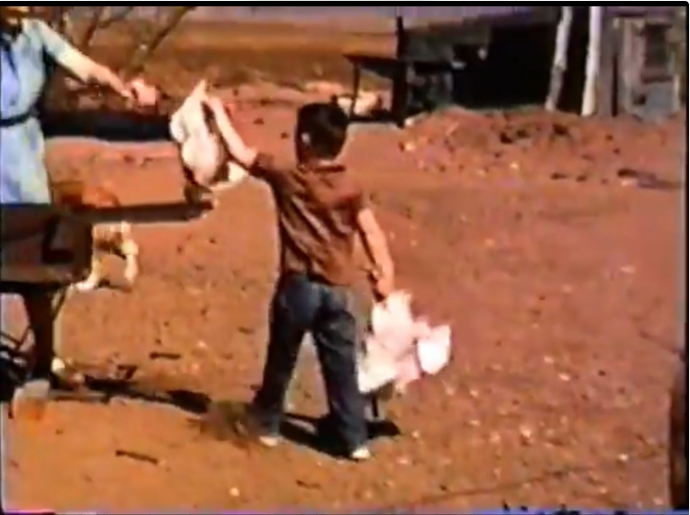
This is quietly profound. It shows that food is processed where life is lived. Children are included, not shielded. There is no spectacle—just completion of a cycle. Nothing is hidden. Nothing is dramatized. That alone says volumes about values.
Next dirt roads to travel:
The pictures were probably taken because irrigation was new enough to be notable.. Irrigation itself was the subject, not crops, not scenery, not people.
Daily Irrigation
This is a time when electricity exists, but not in abundance. Clothes dryers are unnecessary or uneconomical. The sun and wind are still collaborators.
Grandma Hanging Clothes
Everything visible serves shelter, fuel, food, or labor. This is not pioneer hardship or modern consolidation. This is a balanced system that is human-scaled.
Grandpa’s Tractor and the Old Home Place