Bombing Range near Antelope Flat
Bombing Practice
During World War II, numerous temporary bombing and gunnery ranges were established across West Texas and eastern New Mexico. One of these practice bombing ranges was near Antelope Flat east of Highway 256. It was linked to training bases in Lubbock, Amarillo, Clovis, and Alamogordo. When it was being used, the residents of Antelope Flat could hear the explosions. These ranges were often poorly marked afterward and cleanup was inconsistent.
B-36 Aircraft
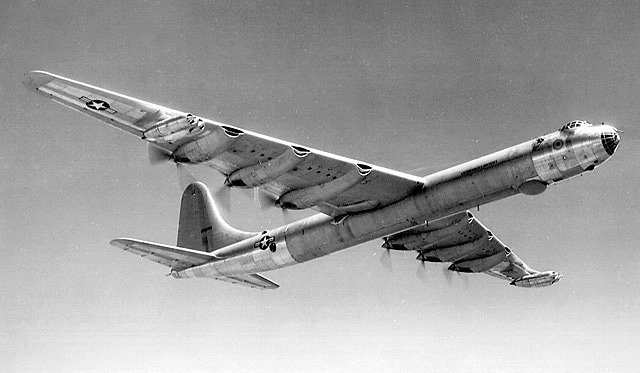
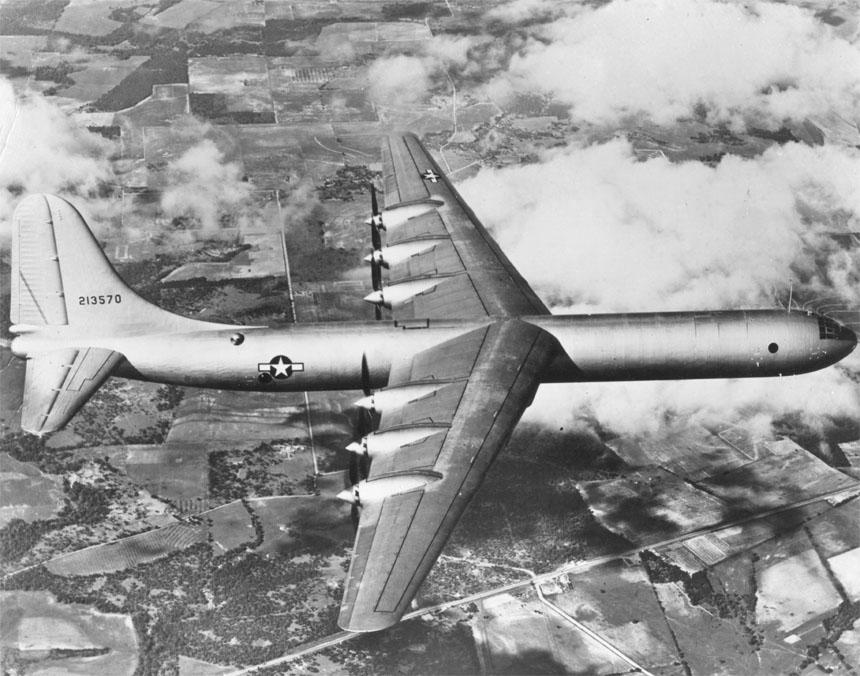
Much of the bombing practice was carried out by B-36 aircraft. The B-36 was powered by six Pratt & Whitney R-4360 Wasp Major radial piston engines. These were mounted on the back of the wing, and propelling by pushing rather than the more conventional front mounted engines. Later B-36 variants were fitted with and additional four jet engines, making a total of ten engines, the most engines of any mass-produced aircraft. Of course, it had a distinctive sound unlike any other aircraft.
Unexploded Ordnance
Even in the recent past, unexploded ordnance could be found. It was generally tubular, a rounded nose, with tail fins. These were practice bombs, some of which did contain explosive charges and some were intentionally duds so that the landing could be more accurately tracked.
Some contained of the bombs contained nitroglycerin, so danger was real. Many unexploded munitions remained dangerous for decades. Kids could haul them home in a pickup; utterly believable now.