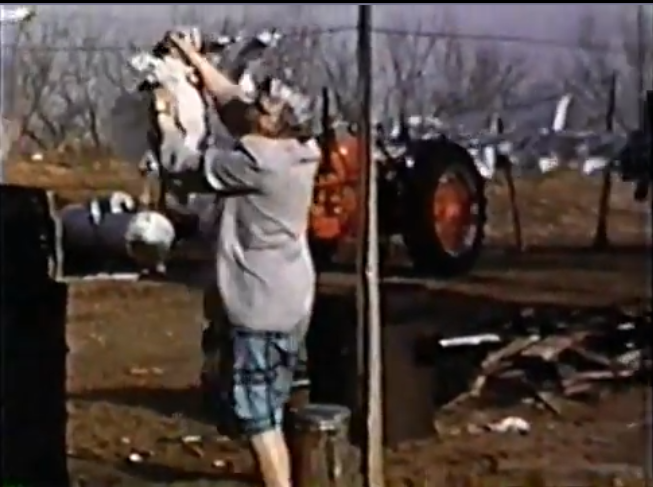
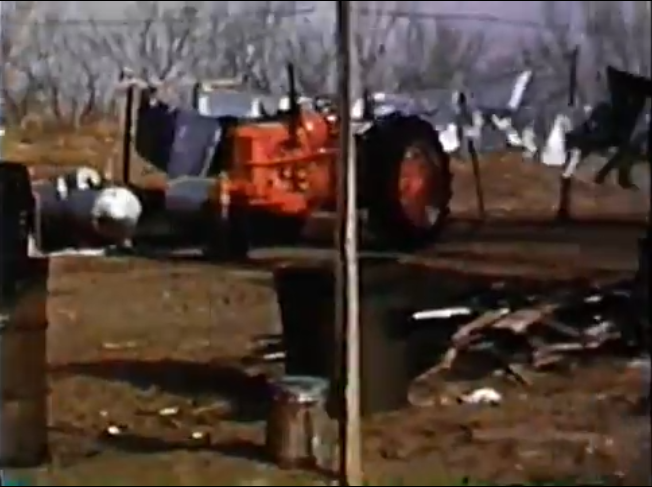
Grandma Hanging Clothes
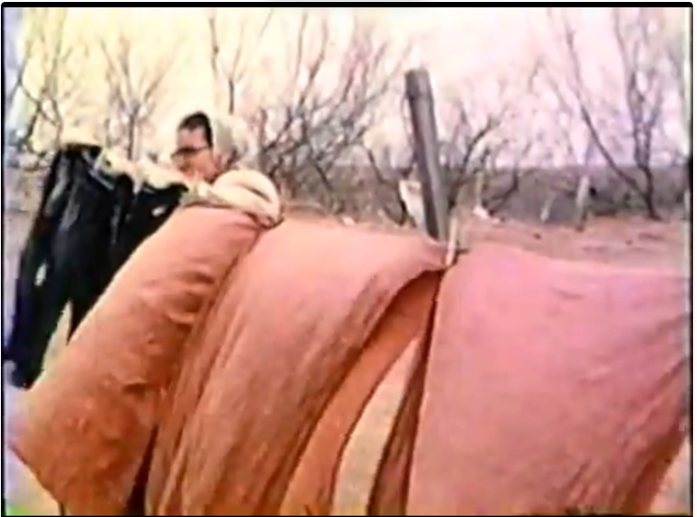
This is a time when electricity exists, but not in abundance. Clothes dryers are unnecessary or uneconomical. The sun and wind are still collaborators. This is not deprivation—it’s calibration to changing ways of life. It is a snapshot that is changing from the small Antelope Flat to a rented farm.
Using a clothesline involved hanging laundry on a rope or wire to air-dry. At this time, it was not a choice; it was the only way. Learned techniques included shaking items out, hanging shirts upside down to avoid marks, and positioning items for airflow.
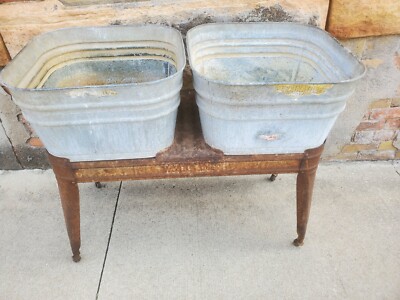
The aluminum tub is an archetype. It may have been used for both laundry and bathing. This wasn’t poverty—it was water discipline. Water hauled by bucket or barrel, heated on a wood or gas stove, .mixed by feel, not measurement.
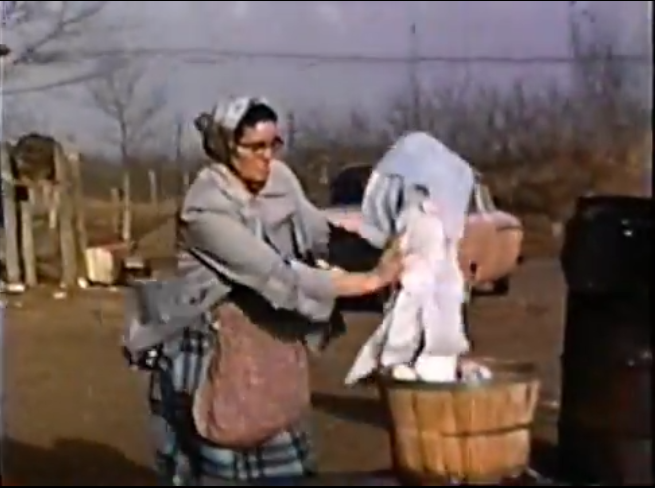
Laundry followed the logic of one wash tub, one rinse tub, sometimes a bluing agent, and clothesline drying (counting on the sun as disinfectant). In the case of bathing, order mattered: youngest/cleanest first, adults last. Cleanliness was not individual—it was managed at the household scale, like farming itself.
Next dirt roads to travel:
Water arrived by effort. It did not come to the house; it was invited, persuaded, lifted. Essential. Life-giving.
Water, With Hands
This shows the windmill being drilled on the home place. Before this, water had to be hauled, and heated by fire.
Windmill Drilling
Daily Life – Maybe these activities didn’t happen every day, but they were typical tasks. Some varied by the time of year, and some were truly everyday occurrences.
Channel 3 – Daily Life