Category: Electricity

  • Electricity Comes to Brice

    Rural Electric Installation

    Electricity Comes to Brice

    Knob-and-Tube Wiring

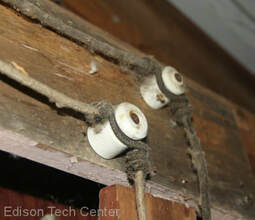
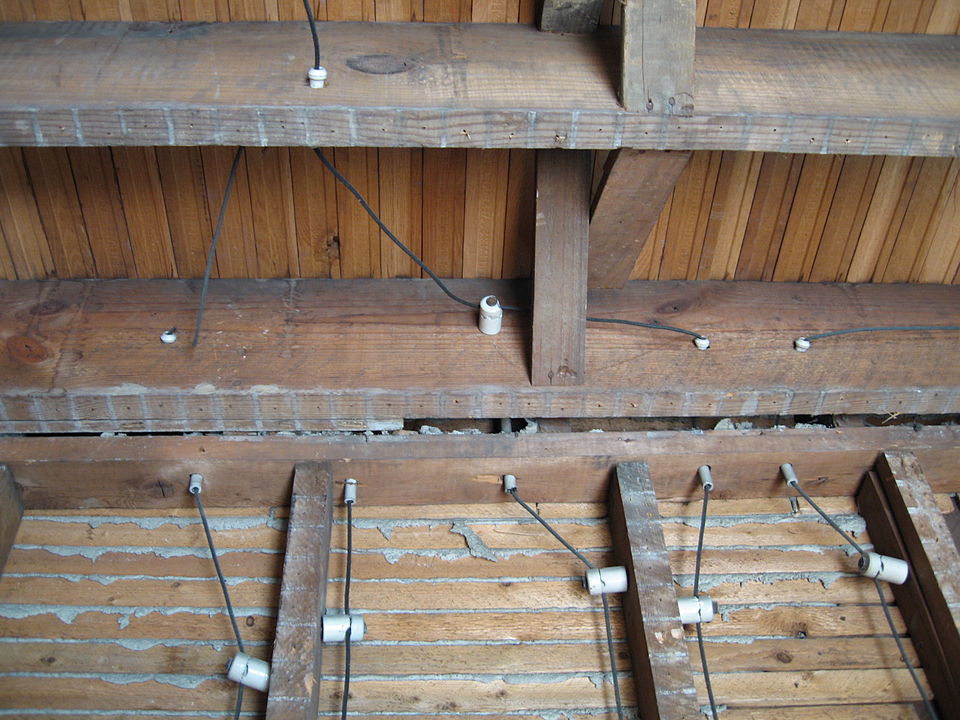
    Cloth-covered wires and white ceramic pieces were part of knob-and-tube (K&T) wiring, used roughly from the 1890s through the 1930s — longer in rural areas like Texas. The ceramic insulators were attached with ceramic knobs that were screwed directly into wall studs, rafters, or joists using wood screws or nails. Ceramic tubes were inserted into holes drilled through framing members so the wire could pass safely through wood without touching it. The ceramic material was porcelain or glazed clay — non-conductive, heat-resistant, and durable.

    Ceramic Insulators
    Ceramic Insulators

    The goal wasn’t concealment. It was separation. Hot wire and neutral were run several inches apart. Air acted as insulation and cooling, and fire risk was reduced (by the standards of the time). Walls were often left open, or wiring was run on the surface.

    Cloth-Insulated Wire

    Early electrical wire consisted of three main elements. The conductor was solid soft-drawn copper that could be bent by hand; not stranded and was relatively thick by modern standards.
    Indoor Wiring
    Indoor Wiring

    The insulation cotton, linen, or rayon threads braided or wrapped tightly around the copper. It was often impregnated with asphalt, tar, shellac, or natural rubber. This gave the wire flexibility, some moisture resistance, and a characteristic darkened, fabric texture. Sometimes there was an outer finish of waxed or varnished cloth. Occasionally, it was color-coded, but often just dark brown or black. Over decades, heat and oxidation made the insulation brittle, which is why old wiring can crumble when touched today.

    Bare Bulbs and Pull Chains: Light Without Mediation

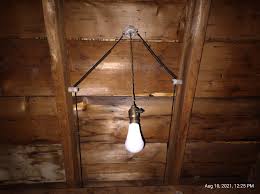
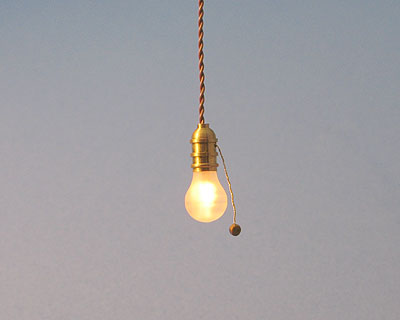
    Bare bulbs was the common standard. The fixtures were porcelain sockets with no shades and no diffusers. A simple pull-chain switch completed or broke the circuit. The light was functional, not decorative.
    Bare Light Bulb
    #image_title

    After oil lamps, electric light felt violent, unreal, and almost holy. Coal-oil lamps had produced a warm, flickering light, low intensity with shadows and darkness as companions. Early bulbs produced a steady, shadow-killing brightness with no flame, no smell, and no ritual of trimming wicks or refilling fuel. Many people reported difficulty sleeping at first — daylight had invaded the night.

    AC or DC?

    During the introduction, DC (Direct Current) systems dominated. Thomas Edison strongly favored DC; however, DC worked well only over short distances. AC (Alternating Current) could be stepped up to high voltage, transmitted long distances, then stepped down safely. Transformers made rural electrification possible. By the time rural Texas was electrified, it was almost certainly AC, typically 110–120 volts, single-phase 60 Hz frequency (standardized in the U.S.).

    How Electricity Reached Rural Areas

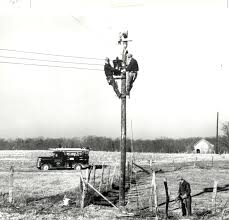
    Before the Rural Electrification Administration (REA) in 1935, power generation was done in small, local power plants. They were usually steam turbines driven by coal, oil, and sometimes even wood. Later, hydroelectric plants were built in some regions with access to water.
    Rural Electric Lines
    Rural Electric Lines

    Distribution

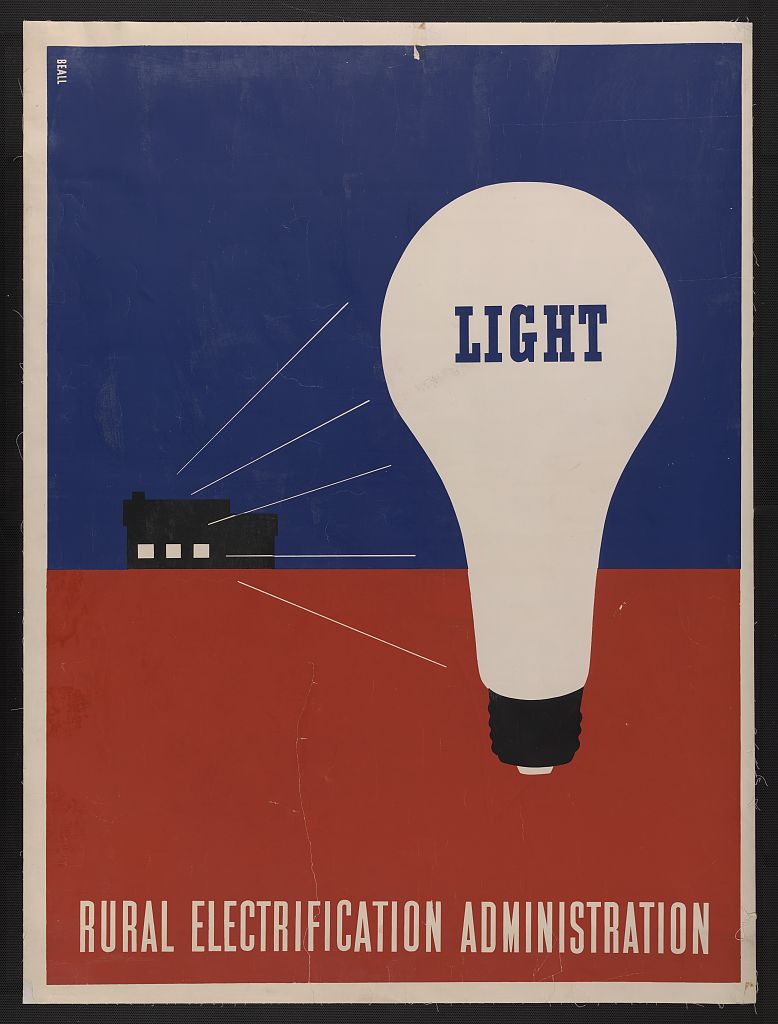
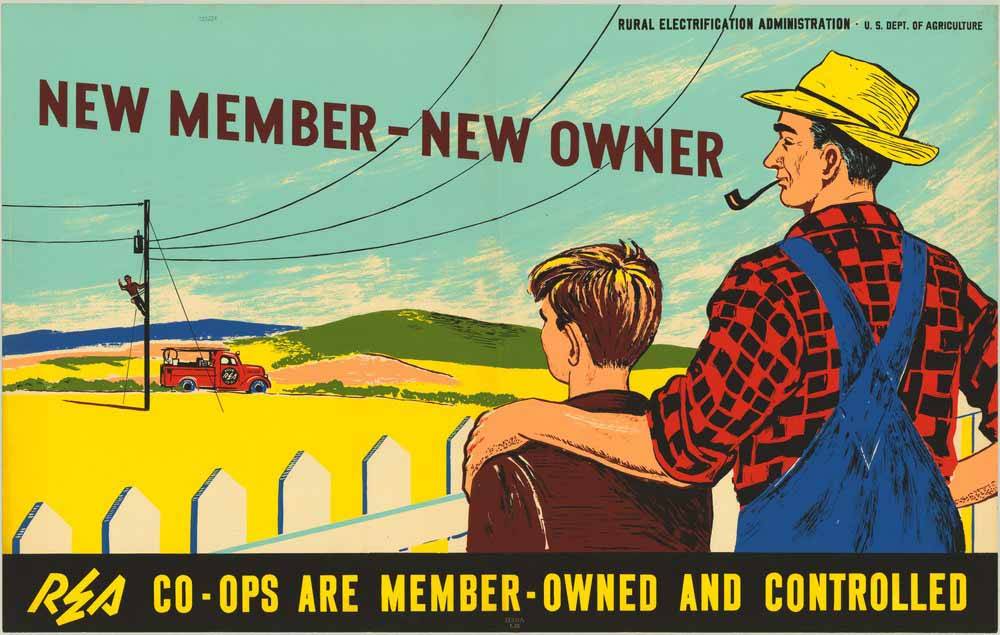
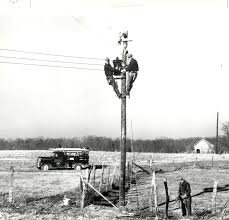
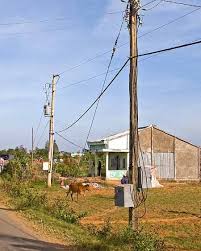
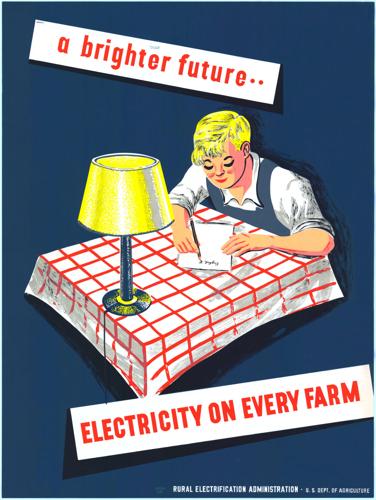
    Electricity was distributed by wooden poles with bare copper or aluminum conductors. There was minimal insulation (air was the insulator) that covered long distances with frequent voltage drops. Many rural homes didn’t get electricity until late 1930s, 1940s and even early 1950s in some parts of Texas. The REA funded cooperatives, standardized wiring and safety, and brought power to farms that utilities deemed “unprofitable”.

    Other Fascinating Aspects of Early Home Electricity

    There were no outlets at first. Early systems powered lights only; appliances came later. Typically there was only one ceiling bulb per room.
    #image_title

    At first, electricity was mysterious — and feared. People worried it would leak into beds, cause illness, or attract lightning. Insurance companies often refused coverage at first The fire risk was real — but accepted. Homes already had open flames, chimneys, and oil lamps, so electricity felt cleaner, even if imperfect

    For decades, houses used electric lights (with oil lamps as backup), wood stoves and hand pumps all at once — a technological mosaic, not a clean break. The introduction of electricity was a threshold moment. Night stopped being absolute, homes no longer slept with the sun, and darkness became optional.

    Electricity didn’t arrive as convenience. It arrived as astonishment. Electricity didn’t merely add light — it re-tuned time itself, especially on farms where daylight had long been the master clock.


    Other dirt roads to travel:

    This is a time when electricity exists, but not in abundance. Clothes dryers are unnecessary or uneconomical. The sun and wind are still collaborators.
    Grandma Hanging Clothes

    Radio and electric light did not politicize rural America in a crude sense. They did something quieter; they trained people to listen together.
    Electricity and the Inner Life

    If daylight was a global rhythm, electric light introduced local control. An electric switch is a hinge between nature, intention, and given time or chosen time.
    When the Sun Was the Clock
  • When the Sun Was the Clock

    REA Logo

    When the Sun Was the Clock

    The Changing of Time

    Before electric light, farm life obeyed a solar grammar. Work began at first usable light, meals followed daylight and not the clock. Winter compressed life inward; summer expanded it outward with the length of daylight. Darkness was not an inconvenience — it was a boundary.

    After sundown, outdoor labor stopped, indoor tasks were limited and precious. Lamp light was rationed — every wick burned money and effort. This imposed a natural punctuation on the day. You didn’t choose when night came; it came upon you.

    #image_title

    The First Shift: Evening Moves Indoors

    Daily rhythms shifted indoors. Electric lighting didn’t extend field work much at first. Instead, it reclaimed evenings. On farms, the earliest changes were subtle but profound. There were longer evenings at the table and more time for repairing tools, mending clothes, reading, letter writing, and quiet conversation. What changed was not productivity at first — it was presence. Families were able to linger. Rooms that once went dark early now stayed alive. The kitchen became a social space after sunset rather than a place of last tasks before sleep. Electric light thickened time; evenings felt longer — not rushed, not fading.

    Memory Changes When Darkness Retreats

    Before electricity, memory clustered around events such as sunrise chores, supper, lamp lighting, and bedtime. After electricity, memory began clustering around activities instead. This subtle shift mattered. Darkness once enforced forgetting — you stopped seeing, so the day ended. Electric light allowed continuity: thoughts carried forward, stories stretched longer, and projects could be resumed after dinner. People remembered evenings more vividly because they were no longer half-lit, half-vanishing.

    The change was neurological; that electric light felt like daytime. The brain read it as extended day. Sleep patterns changed. So did dreaming. So did storytelling.

    Storytelling After Sunset: From Firelight to Fixture

    #image_title

    Under oil lamps and firelight, stories were intimate, shadows moved, faces were half-known, and silence participated. Electric light flattened shadows. This had consequences. Stories became Longer ,more detailed, less mythic, more narrative, less dependent on atmosphere, and more on content. The room no longer conspired with the story.

    Yet something else emerged; reading aloud, newspapers were shared after dark. Later there were radio stories. Electric light didn’t kill storytelling — it changed its posture from circle → table, from flame → page, and from myth → memory.

    What Came Next After Lighting?

    Lighting was only the gateway convenience. On farms, the next uses of electricity followed a clear logic: relieve labor and extend control.

    • Radios — Often the first non-light electrical device was often a radio. News arrived daily instead of weekly. Weather forecasts changed planning. Music entered homes without instruments. This was revolutionary. Farms were no longer informational islands, and national time entered the local rhythm. Families began organizing evenings around broadcast schedules. Time became shared beyond the farm.
    • Electric Pumps – A quiet but enormous change was the electric pump. Water no longer had to be hauled, indoor plumbing became feasible, hygiene improved, and women’s labor decreased significantly. Some of the things that changed were morning routines, chore division, and health outcomes. Electricity didn’t just brighten rooms — it moved water.
    • Refrigeration – Refrigeration altered food use. Before, there was daily or near-daily food preparation. Preservation was seasonal and labor-intensive. After, leftovers became normal, shopping cycles lengthened, and meals became less urgent. Time loosened its grip on eating.
    • Washing Machines – Perhaps the most under-acknowledged revolution is that laundry shifted from an all-day ordeal to a background task. Mondays ceased to be physically punishing. Energy was freed for other forms of work — or rest. Electricity redistributed human endurance.
    • Barns and Outbuildings – Only later was electricity used outside. This included barn lighting, milking machines, feed grinders, and later electric fencing. Outdoor production expanded, but carefully. Electricity did not replace daylight — it supplemented it, like a second sun that was used sparingly.

    The Deeper Shift: Control Over Time

    What electricity ultimately changed was not work hours, but agency. Before electricity, day dictated action, night enforced rest, and memory followed light. After, humans negotiated with time. Night became optional and memory became continuous. People no longer said “When the sun went down…” They began saying “After supper…” That’s a cultural pivot.

    An Overview

    If daylight was a global rhythm, electric light introduced local control. An electric switch is a hinge between nature and intention, and given time or chosen time. Communal rhythm and personal agency became possible. Electricity didn’t defeat nature; it nested within it. On farms, electricity did not turn night into day. It turned night into possibility. People didn’t work harder at first. They remembered more. They spoke longer. They imagined further. In those newly illuminated evenings, something subtle happened. life gained margins — and in those margins, stories learned how to breathe.


    Other dirt roads to travel:

    One

    Two

    Three

  • Electricity and the Inner Life

    Bare Hanging Bulb

    Electricity and the Inner Life

    Grief Without the Cover of Darkness

    Before electric light, grief had shadows. Tears were hidden by dusk, and silence was enforced by night. With electric light, grief stayed visible longer, mourners would sit together later. The day did not end grief — it extended it. This made grief more shared, but sometimes less private.

    Prayer After the Lamp

    Rural Electric Workers
    #image_title

    Oil lamps encouraged short prayers, memorized prayers, and communal prayer. Electric light allowed reading scripture after dark, writing prayers, and silent contemplation that did not strain the eyes. But it also displaced mystery. Light reduces ambiguity. Faith had to find new depths, not just new duration.

    Solitude Becomes Chosen, Not Imposed

    Darkness once forced solitude. Electricity made solitude optional. One could read, one could listen, or one could stay awake. This changed the meaning of solitude. It became a practice, a choice, and a space to enter — or avoid. This was a profound shift.

    A Closing Thought

    Radio and electric light did not politicize rural America in a crude sense. They did something quieter; they trained people to listen together, extended attention past sunset, and created a shared temporal window where private lives touched public life. In doing so, they prepared the ground for both broader civic engagement and deeper inner questioning.


    Next dirt roads to travel:

    Radio and electric light did not politicize rural America in a crude sense. They did something quieter; they trained people to listen together.
    Electricity and the Inner Life

    Radio and electric light did not politicize rural America in a crude sense. They did something quieter; they trained people to listen together.
    Electricity and the Inner Life

    In the Panhandle before widespread irrigation, farming was event-driven, not clock-driven. Rain determined not just yields, but moods, debts, and futures.
    The Arrival of Irrigation

  • Darkness as a Companion

    REA Logo

    Before the Switch: Darkness as a Companion

    Folding Inward

    Before electricity, grief, prayer, and solitude were bounded by night. Darkness was not absence; it was a structure. It ended labor, it shortened endurance, protected vulnerability, and folded emotion inward. Oil lamps and candles did not banish night — they negotiated with it. They created islands of light, surrounded by shadow, where inner life was held gently, briefly, and then released to sleep. Electric light changed that geometry.

    Grief: When Sorrow No Longer Has a Bedtime

    Before electricity, grief followed the sun. Mourning rituals were daytime affairs and evenings softened sorrow. Tears could hide in shadow and exhaustion brought mercy. Darkness contained grief. Night said: enough for today. After electricity, grief stayed awake. Electric light made it possible to sit together longer after a death, talk late into the night, and revisit memories without eye strain or flicker.

    This changed mourning in two directions at once. Grief became more communal. Families kept vigil together, stories were told in full light, and silence was shared rather than enforced

    More relentless, there was no natural fade-out, sorrow could loop, and night no longer insisted on rest. Many elders later spoke of this as both a gift and a burden. “You could keep company with grief longer — but it would not always let you go.” Electricity did not deepen grief. It extended its reach.

    Prayer: From Threshold Ritual to Sustained Practice

    Prayer before electricity lived close to ritual; bedtime prayers, mealtime blessings, memorized words, and familiar cadences. Lamp light favored short forms, spoken prayer, and communal recitation. Mystery thrived because vision was limited. Electric light altered prayer’s posture.

    Under steady light, scripture could be read late into the night, journals could be kept, letters to God could be written, and silence could last without strain. Prayer became more reflective, more personal, and more varied. Something subtle also shifted. Electric light reduced awe-by-obscurity. Faith could no longer lean as heavily on shadow. Prayer had to move from atmosphere to attention, from ritual to intention, and from dimness to depth. For some, this was liberation. For others, it felt like exposure. The room was fully lit — and so was the soul.

    Solitude: From Imposed Condition to Chosen State

    #image_title

    Before electricity, solitude was often forced. Darkness limited interaction. Silence arrived whether invited or not .Loneliness was a condition of night. People slept earlier not because they were tired — but because there was nowhere else to go. After electricity, solitude became elective. One could read instead of sleep, think instead of dream, or sit alone without being in the dark. This transformed solitude’s meaning. It became a refuge, a practice, or a place to meet oneself consciously. But it also became avoidable. Electric light and radio (later television) meant that silence could be filled, stillness postponed, and aloneness softened by voices. Solitude stopped being guaranteed. It had to be chosen.

    The Hidden Tension: Light vs. Surrender

    Here is the quiet paradox electricity introduced: darkness invited surrender while light invited control. Grief once ended because night ended the body. Prayer once stopped because flame flickered low. Solitude once arrived because nothing else could be done. Electricity removed those thresholds. Grief, prayer, and solitude became deeper — but more demanding, longer — but less forgiving, more intentional — but less merciful. Human beings gained agency —
    and lost automatic rest.

    What Was Gained

    With electricity, there was extended companionship in sorrow, deeper theological reflection, conscious solitude, and memory was sharpened by visibility. Before electricity, there was the kindness of enforced endings, the anonymity of shadow, the sacred punctuation of night, and the body had permission to stop. Electric light did not banish night. It moved night inside us. Where once darkness arrived on schedule, now it had to be welcomed. And in that shift, humanity learned something difficult and precious; rest, reverence, and release are no longer given automatically — they must be chosen with care.

    Rural Electric Lines
    Rural Electric Lines

    Electric Light, Insomnia, and Spiritual Fatigue

    Electric light taught us how to stay awake. It did not teach us how to rest. Insomnia is not merely sleeplessness; it is the echo of a world where night no longer insists on surrender. When darkness stopped arriving uninvited, the body lost an ally. The soul lost a boundary. Spiritual fatigue follows the same pattern. Prayer once ended because the flame dimmed. Grief once softened because sleep arrived. Silence once came because there was nothing else to do. Now, light waits for the choice of dark. And so we stay awake — not because we must, but because we can. Thought loops. Sorrow revisits. Meaning feels effortful. The problem is not stimulation, but duration without closure. Electricity did not exhaust us. It removed the punctuation that protected us from ourselves. Rest now requires intention. Sleep has become an act of trust. Darkness must be chosen — and that choice is tiring.


    Next dirt roads to travel:

    Electricity didn’t arrive as convenience. It arrived as astonishment. Electricity didn’t merely add light — it re-tuned time.
    Electricity Comes to Brice

    This is a time when electricity exists, but not in abundance. Clothes dryers are unnecessary or uneconomical. The sun and wind are still collaborators.
    Grandma Hanging Clothes

    If daylight was a global rhythm, electric light introduced local control. An electric switch is a hinge between nature, intention, and given time or chosen time.
    When the Sun Was the Clock