Community Planting for a Sick Neighbor
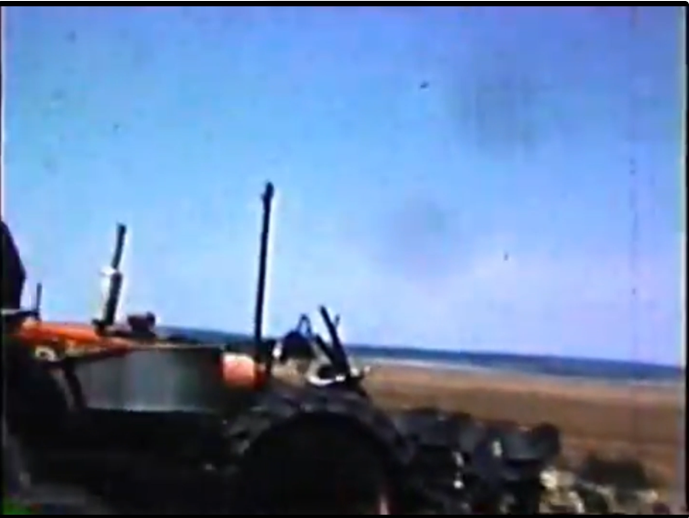
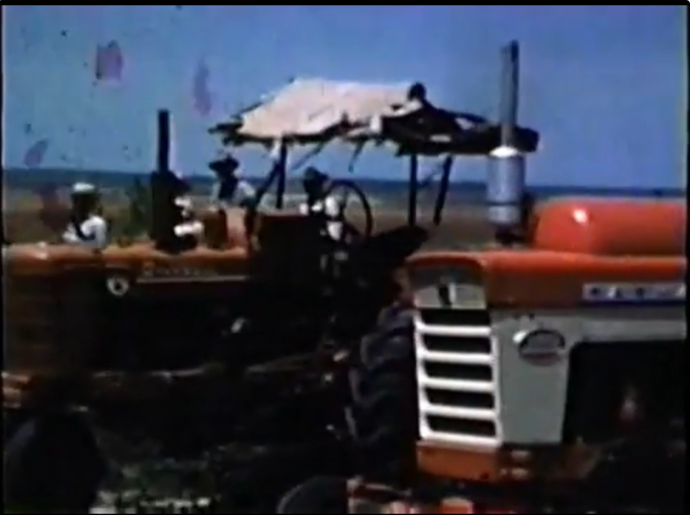
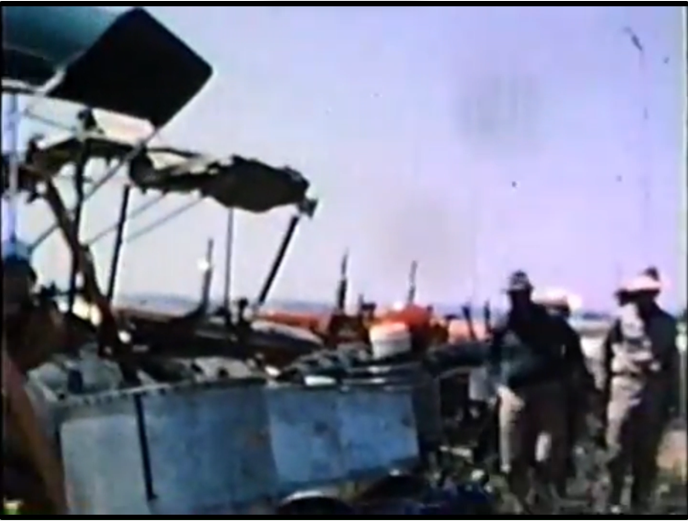
This is one of the most culturally important attributed o this place and time. What strikes me from these images is the contrast between new equipment and worn equipment, but all pitching in to help a neighbor. This is reciprocal labor, moral economy, and survival through solidarity. There are no contracts, no charities, and no spectacle. There is only the shared understanding that “If one of us falls behind, we all fall behind.” This practice faded rapidly once farms grow larger, labor became more specialized, and schedules became tighter under irrigation’ This is showing a social system near its peak coherence.
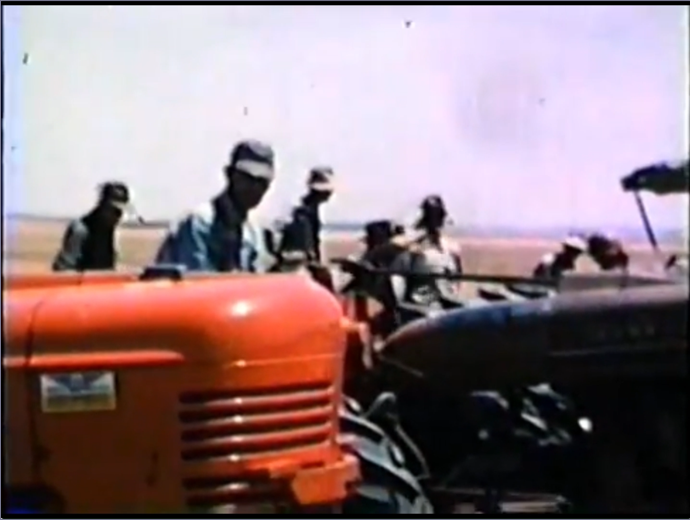
“The contrast between new equipment and worn equipment, but all pitching in.” That contrast is not incidental — it is the entire story.
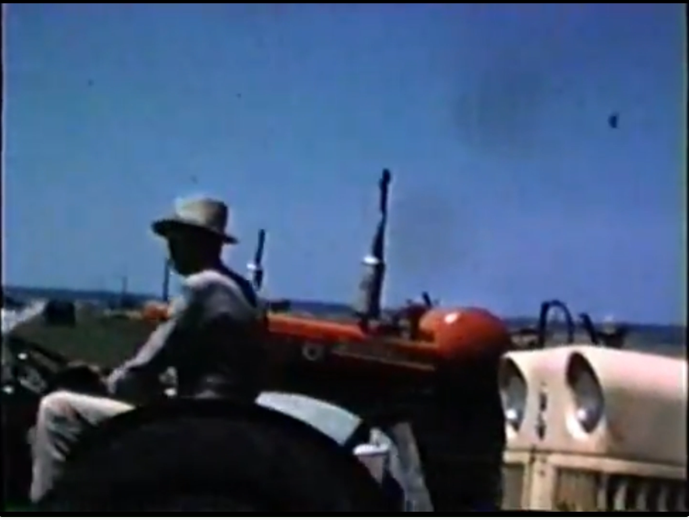
Across the pictures, we see newer tractors with cleaner paint, standardized grills, older tractors with visible wear, mismatched parts, improvised canopies, and different brands and eras operating together in the same field. This immediately tells us this is not one farm’s equipment; this is pooled labor. If this were a single operation, equipment would be uniform.
Several frames show men standing near equipment waiting their turn and watching someone else operate. This is not supervisory hierarchy. This is rotation. Everyone brought what they had and everyone used what worked.
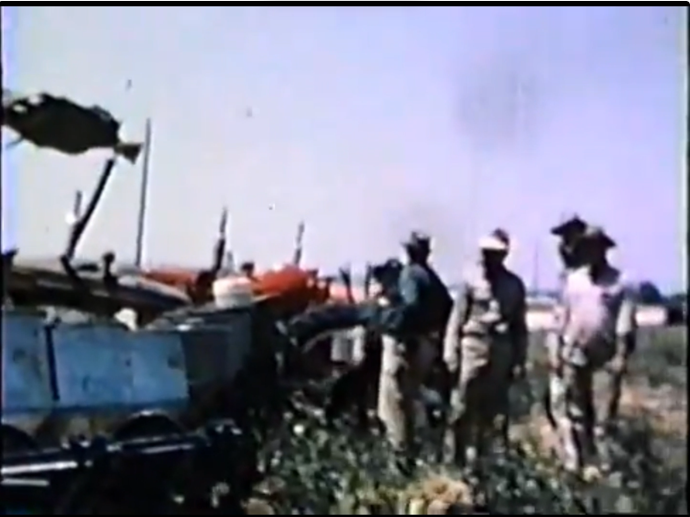
The canopies, patched metal, and varied exhaust stacks tells us that equipment longevity mattered more than appearance, repair skill was valued, and “good enough” was a respected standard. No one was embarrassed to show up with an older tractor. That matters culturally.
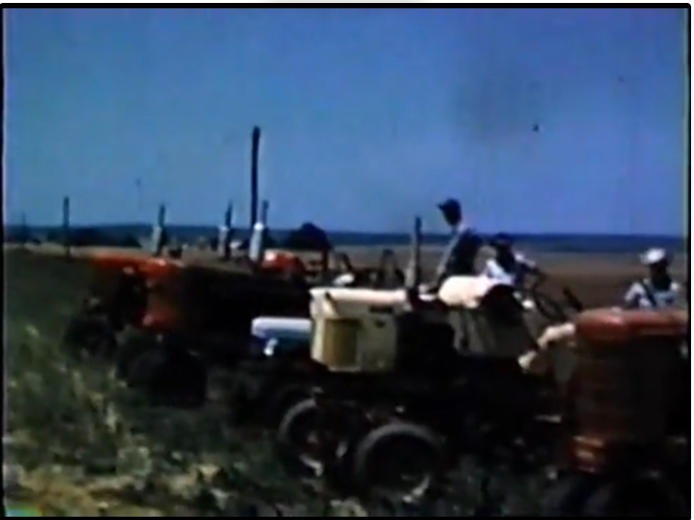
This is a mutual-aid economy, not charity. There is not a single benefactor, no audience, no documentation intended, and no repayment ledger. The assumption is simple: “Today it’s him. Tomorrow it could be me.” That kind of cooperation collapsed rapidly once farms scales up, schedules tightened under irrigation, and labor became hired rather than familial. These pictures capture something already fragile, even as it was still alive.
New equipment represented mechanization, capital investment, and optimism. Old equipment represented continuity, frugality, and accumulated skill. The community did not force uniformity. It absorbed difference. That is the opposite of modern efficiency logic.
Next dirt roads to travel:
YouTube videos of unusual occurrences in the Panhandle
Channel 1 – The Unusual
The land did not ask to be conquered. Rows were drawn not as lines of dominance but as agreements with wind and water, with what would grow if given half a chance.
Rows and Rooms
New equipment wasn’t bought sight-unseen; it was demonstrated. Farmers gathered for the demonstration because capital investment was serious and mistakes were costly.
Tractor demonstration, farmers gathered