These images show a mixed flock; chickens in various stages, some already processed. It shows a simple outdoor setup: scalding pot, plucking, and a dirt yard.
The pictures were probably taken because irrigation was new enough to be notable.. Irrigation itself was the subject, not crops, not scenery, not people.
Brice was still communal, still embodied, and still land-literate, but already mechanized, electrified, and connected to regional systems.
Electricity didn’t arrive as convenience. It arrived as astonishment. Electricity didn’t merely add light — it re-tuned time.
This is a time when electricity exists, but not in abundance. Clothes dryers are unnecessary or uneconomical. The sun and wind are still collaborators.
Everything visible serves shelter, fuel, food, or labor. This is not pioneer hardship or modern consolidation. This is a balanced system that is human-scaled.
TX-256 is a state-maintained connector, upgraded mid-century. It crosses the Prairie Dog Town Fork of the Red River, and was rebuilt earlier than many county roads.
A regular farm activity the entire family would participate in was hoeing cotton. This was done in the heat of summer and the middle of the growing season.
This is an exploration of the history of Brice, Lakeview, Clarendon, and Lakeview in the years between 1935-1960.
When the bridge failed, it didn’t end visiting. It revised it. Cars came as far as they could. "We’re coming over. Meet us at the bridge."
Morning and evening moves of irrigation sprinklers dictated time discipline. This is where farming stopped being seasonal and became continuous responsibility.
The eastern Texas Panhandle didn’t support isolated self-sufficiency. Distances were long. Population was thin. Each town specialized — not by planning, but by necessity.
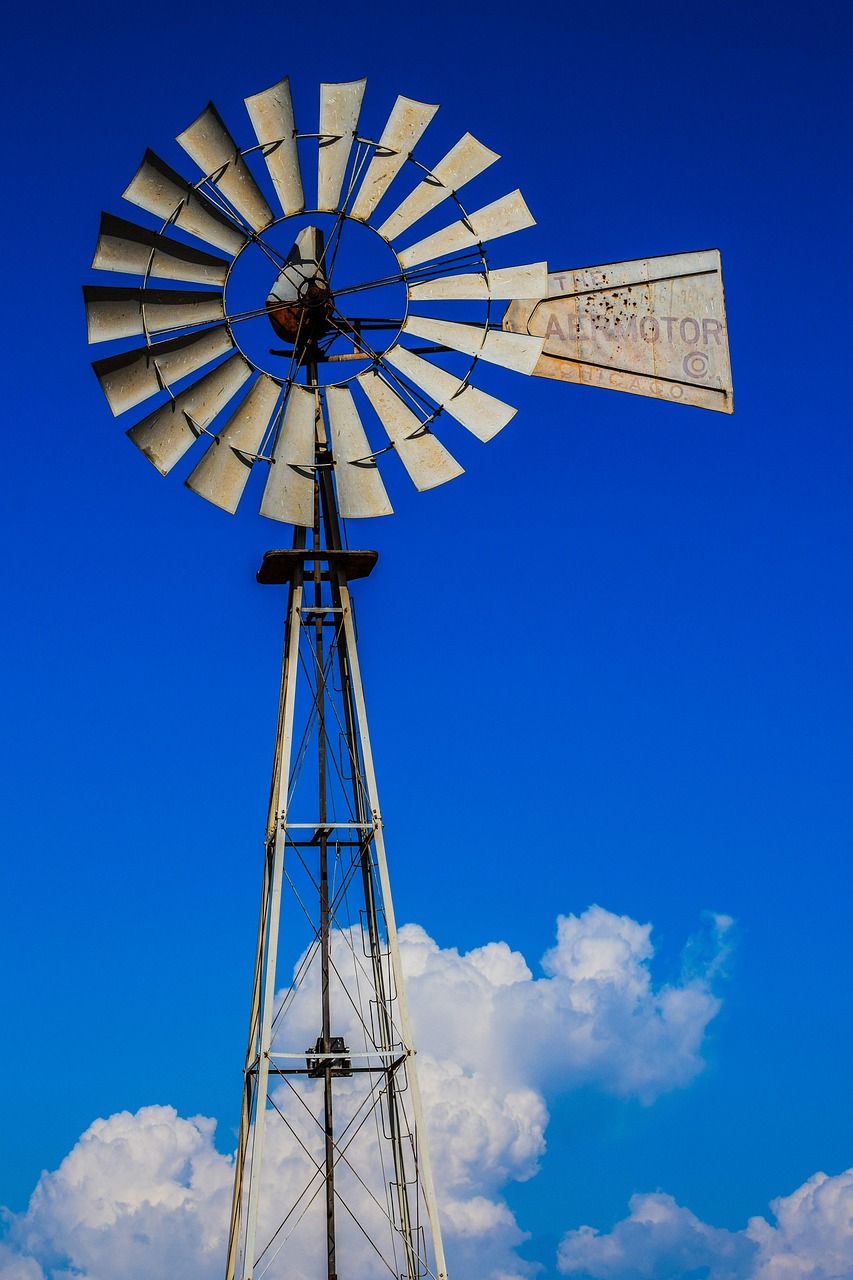
This shows the windmill being drilled on the home place. Before this, water had to be hauled, and heated by fire.