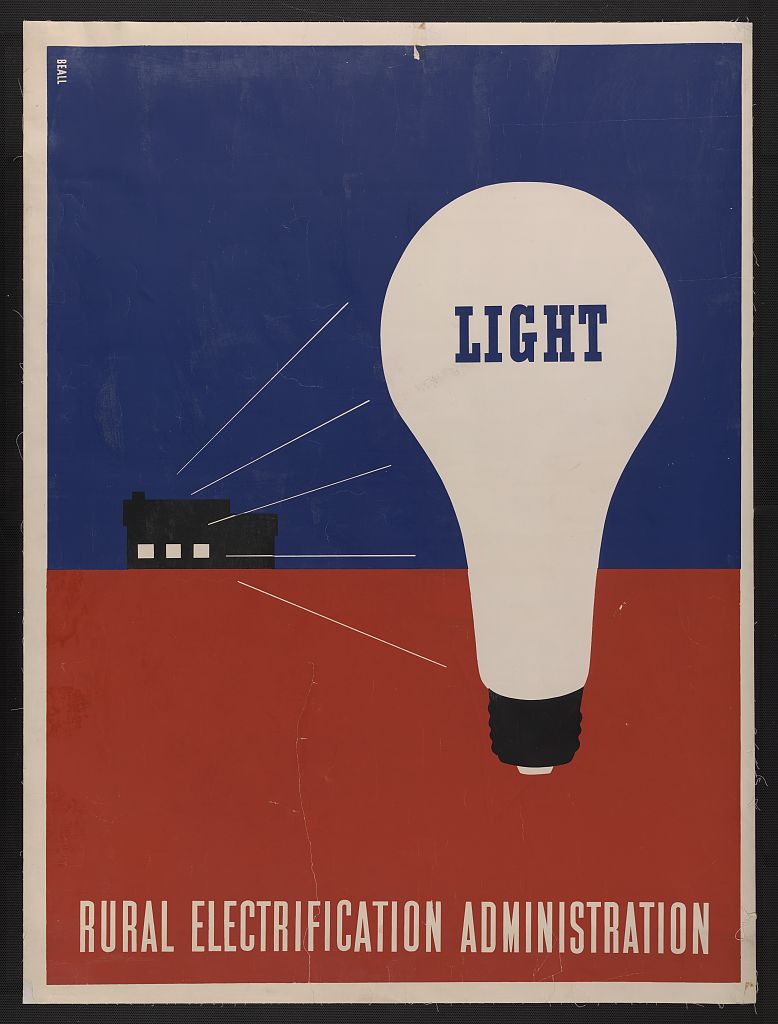
Before the Switch: Darkness as a Companion
Folding Inward
Before electricity, grief, prayer, and solitude were bounded by night. Darkness was not absence; it was a structure. It ended labor, it shortened endurance, protected vulnerability, and folded emotion inward. Oil lamps and candles did not banish night — they negotiated with it. They created islands of light, surrounded by shadow, where inner life was held gently, briefly, and then released to sleep. Electric light changed that geometry.
Grief: When Sorrow No Longer Has a Bedtime
Before electricity, grief followed the sun. Mourning rituals were daytime affairs and evenings softened sorrow. Tears could hide in shadow and exhaustion brought mercy. Darkness contained grief. Night said: enough for today. After electricity, grief stayed awake. Electric light made it possible to sit together longer after a death, talk late into the night, and revisit memories without eye strain or flicker.
This changed mourning in two directions at once. Grief became more communal. Families kept vigil together, stories were told in full light, and silence was shared rather than enforced
More relentless, there was no natural fade-out, sorrow could loop, and night no longer insisted on rest. Many elders later spoke of this as both a gift and a burden. “You could keep company with grief longer — but it would not always let you go.” Electricity did not deepen grief. It extended its reach.
Prayer: From Threshold Ritual to Sustained Practice
Prayer before electricity lived close to ritual; bedtime prayers, mealtime blessings, memorized words, and familiar cadences. Lamp light favored short forms, spoken prayer, and communal recitation. Mystery thrived because vision was limited. Electric light altered prayer’s posture.
Under steady light, scripture could be read late into the night, journals could be kept, letters to God could be written, and silence could last without strain. Prayer became more reflective, more personal, and more varied. Something subtle also shifted. Electric light reduced awe-by-obscurity. Faith could no longer lean as heavily on shadow. Prayer had to move from atmosphere to attention, from ritual to intention, and from dimness to depth. For some, this was liberation. For others, it felt like exposure. The room was fully lit — and so was the soul.
Solitude: From Imposed Condition to Chosen State

Before electricity, solitude was often forced. Darkness limited interaction. Silence arrived whether invited or not .Loneliness was a condition of night. People slept earlier not because they were tired — but because there was nowhere else to go. After electricity, solitude became elective. One could read instead of sleep, think instead of dream, or sit alone without being in the dark. This transformed solitude’s meaning. It became a refuge, a practice, or a place to meet oneself consciously. But it also became avoidable. Electric light and radio (later television) meant that silence could be filled, stillness postponed, and aloneness softened by voices. Solitude stopped being guaranteed. It had to be chosen.
The Hidden Tension: Light vs. Surrender
Here is the quiet paradox electricity introduced: darkness invited surrender while light invited control. Grief once ended because night ended the body. Prayer once stopped because flame flickered low. Solitude once arrived because nothing else could be done. Electricity removed those thresholds. Grief, prayer, and solitude became deeper — but more demanding, longer — but less forgiving, more intentional — but less merciful. Human beings gained agency —
and lost automatic rest.
What Was Gained
With electricity, there was extended companionship in sorrow, deeper theological reflection, conscious solitude, and memory was sharpened by visibility. Before electricity, there was the kindness of enforced endings, the anonymity of shadow, the sacred punctuation of night, and the body had permission to stop. Electric light did not banish night. It moved night inside us. Where once darkness arrived on schedule, now it had to be welcomed. And in that shift, humanity learned something difficult and precious; rest, reverence, and release are no longer given automatically — they must be chosen with care.
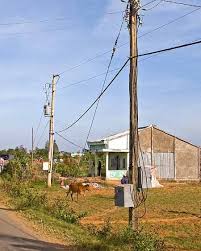
Electric Light, Insomnia, and Spiritual Fatigue
Electric light taught us how to stay awake. It did not teach us how to rest. Insomnia is not merely sleeplessness; it is the echo of a world where night no longer insists on surrender. When darkness stopped arriving uninvited, the body lost an ally. The soul lost a boundary. Spiritual fatigue follows the same pattern. Prayer once ended because the flame dimmed. Grief once softened because sleep arrived. Silence once came because there was nothing else to do. Now, light waits for the choice of dark. And so we stay awake — not because we must, but because we can. Thought loops. Sorrow revisits. Meaning feels effortful. The problem is not stimulation, but duration without closure. Electricity did not exhaust us. It removed the punctuation that protected us from ourselves. Rest now requires intention. Sleep has become an act of trust. Darkness must be chosen — and that choice is tiring.
Next dirt roads to travel:
Electricity didn’t arrive as convenience. It arrived as astonishment. Electricity didn’t merely add light — it re-tuned time.
Electricity Comes to Brice
This is a time when electricity exists, but not in abundance. Clothes dryers are unnecessary or uneconomical. The sun and wind are still collaborators.
Grandma Hanging Clothes
If daylight was a global rhythm, electric light introduced local control. An electric switch is a hinge between nature, intention, and given time or chosen time.
When the Sun Was the Clock