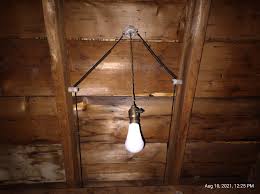
Electricity and the Inner Life
Grief Without the Cover of Darkness
Before electric light, grief had shadows. Tears were hidden by dusk, and silence was enforced by night. With electric light, grief stayed visible longer, mourners would sit together later. The day did not end grief — it extended it. This made grief more shared, but sometimes less private.
Prayer After the Lamp
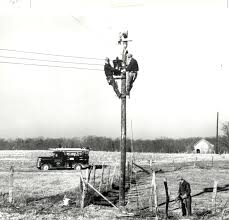
Oil lamps encouraged short prayers, memorized prayers, and communal prayer. Electric light allowed reading scripture after dark, writing prayers, and silent contemplation that did not strain the eyes. But it also displaced mystery. Light reduces ambiguity. Faith had to find new depths, not just new duration.
Solitude Becomes Chosen, Not Imposed
Darkness once forced solitude. Electricity made solitude optional. One could read, one could listen, or one could stay awake. This changed the meaning of solitude. It became a practice, a choice, and a space to enter — or avoid. This was a profound shift.
A Closing Thought
Radio and electric light did not politicize rural America in a crude sense. They did something quieter; they trained people to listen together, extended attention past sunset, and created a shared temporal window where private lives touched public life. In doing so, they prepared the ground for both broader civic engagement and deeper inner questioning.
Next dirt roads to travel:
Radio and electric light did not politicize rural America in a crude sense. They did something quieter; they trained people to listen together.
Electricity and the Inner Life
Radio and electric light did not politicize rural America in a crude sense. They did something quieter; they trained people to listen together.
Electricity and the Inner Life
In the Panhandle before widespread irrigation, farming was event-driven, not clock-driven. Rain determined not just yields, but moods, debts, and futures.
The Arrival of Irrigation