Animals of the Brice Area
The plants and animals around Brice are a very specific ecological mix — one that only really makes sense on the southern High Plains / Red River breaks, where short-grass prairie, sandy draws, and disturbed farmland overlap. It’s an edge ecology where prairie meets disturbance, where people, cattle, water, and weeds overlap Here are a few a few details about each of the animals of this region.
Horny toads
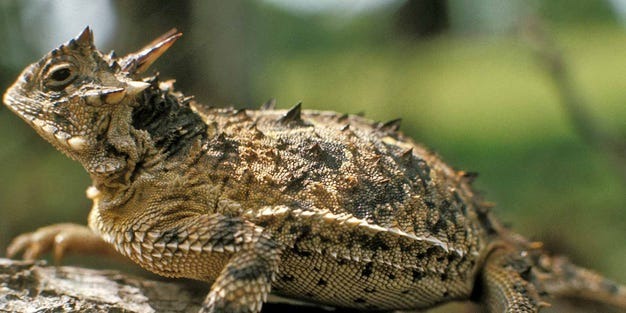
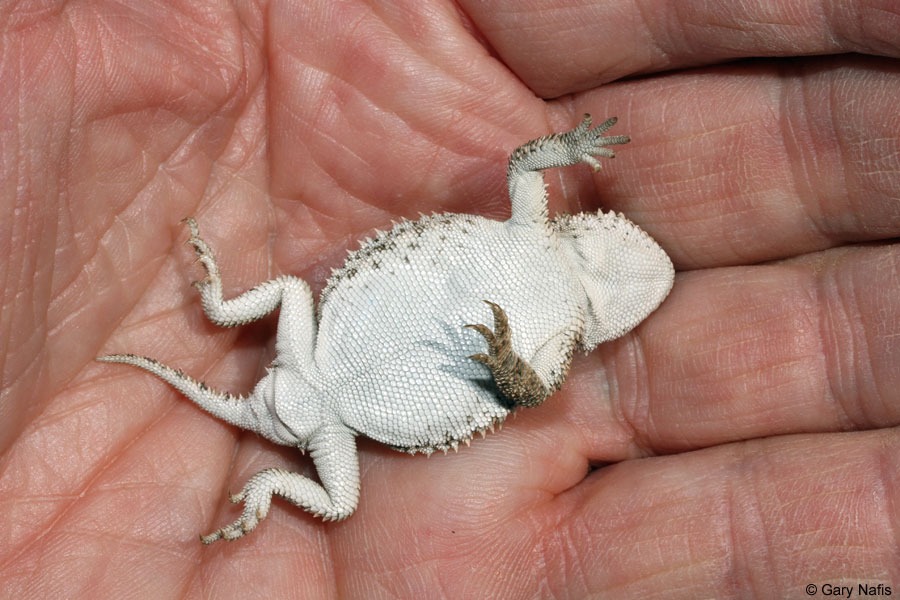
Horny toads have a very prehistoric look. They also have what looks like a healed incision or stitches down the belly. That is actually a central ventral seam where the abdominal scales meet. It is often darker or more pronounced. That “scar with stitches” is real. It’s the central abdominal seam where the body plates meet — a natural suture line, not an injury.
The horny toad has a blood-squirting defense that is rare to witness. It shoots blood from tear ducts and is usually aimed at predators (especially canines). Most children never saw it and many adults have only heard about it. During the time that horny toads were common, then, native ants were still present, fire ants had not yet taken over, pesticide use was lighter, and fields were less chemically managed.
Jackrabbits
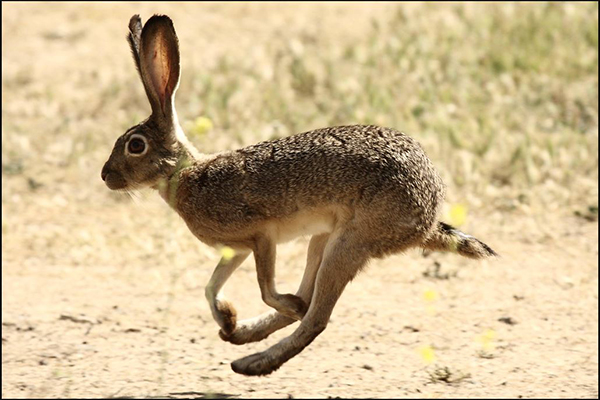
Jackrabbits (black-tailed jackrabbit, Lepus californicus) were abundant on the High Plains through the 1930s and into the early 1940s—sometimes explosively so. Periodic “rabbit drives” were common across West Texas, Oklahoma, and New Mexico. People remembered the ground moving.
Rabbit fever is the colloquial name for tularemia, a bacterial disease carried by rabbits, ticks, and deer flies. It was well known locally—often as hard-earned knowledge rather than medical theory. Key folk rules that were medically sound: don’t eat rabbits until after a hard freeze (cold reduces disease vectors). Don’t handle rabbits with open cuts, don’t eat rabbits found dead or behaving oddly.
The decline of jackrabbits came from several converging forces: mechanized agriculture (plowing destroyed cover and nesting areas), rodent control programs (poisons didn’t discriminate), irrigation changing vegetation structure, road networks increasing mortality, and disease cycles themselves (tularemia periodically crashes populations). By the late 1950s, jackrabbits were still present—but no longer defining the landscape the way they once were.
Rattlesnakes
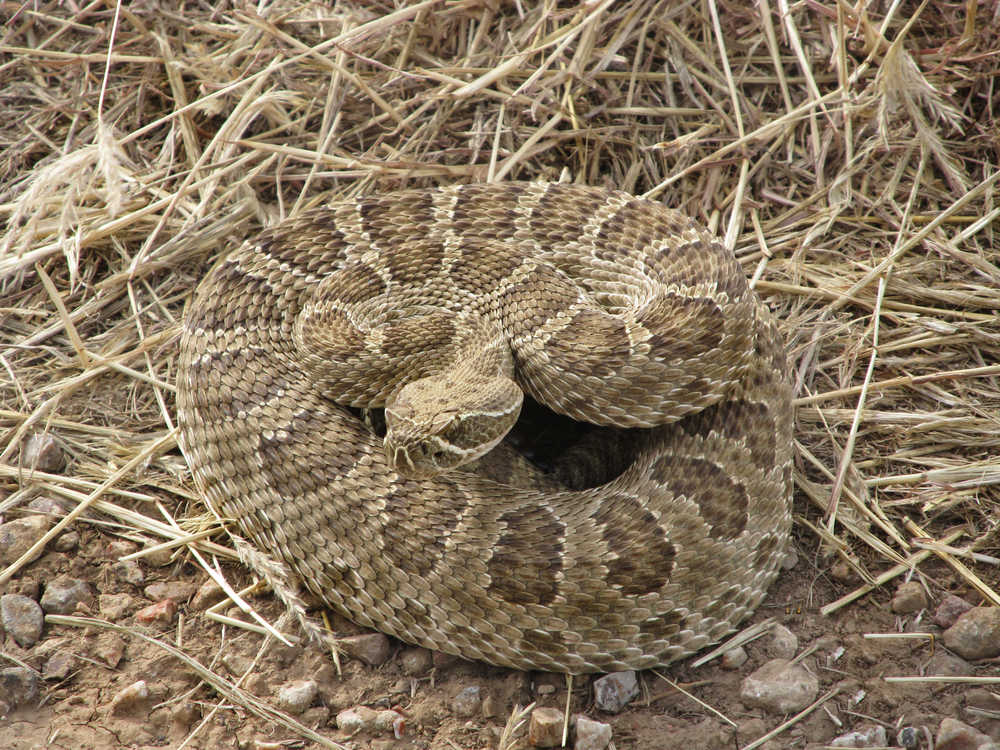
In the Brice–Antelope Flat–Clarendon region during the 1930s–1950s, the dominant rattlesnakes wass mostly the prairie rattlesnake (Crotalus viridis) – more common north and east of the Caprock. The western diamondback (Crotalus atrox) became increasingly common south and west, especially as cultivation expanded. Both thrived in shortgrass prairie, sandhills, draws, and creek beds—exactly the margins where farming met wild ground.
Rattlesnakes were seasonal (most active late spring through early fall),\ and ususally predictable (sunning near rocks, culverts, windmill pads, and brush piles). They were respected as much as feared. They were not mythologized. They were managed. A rattlesnake encounter carried no romance. You learned where not to put your hands and you watched where you stepped near water, woodpiles, or shade. You killed them when they were too close to the house or stock.
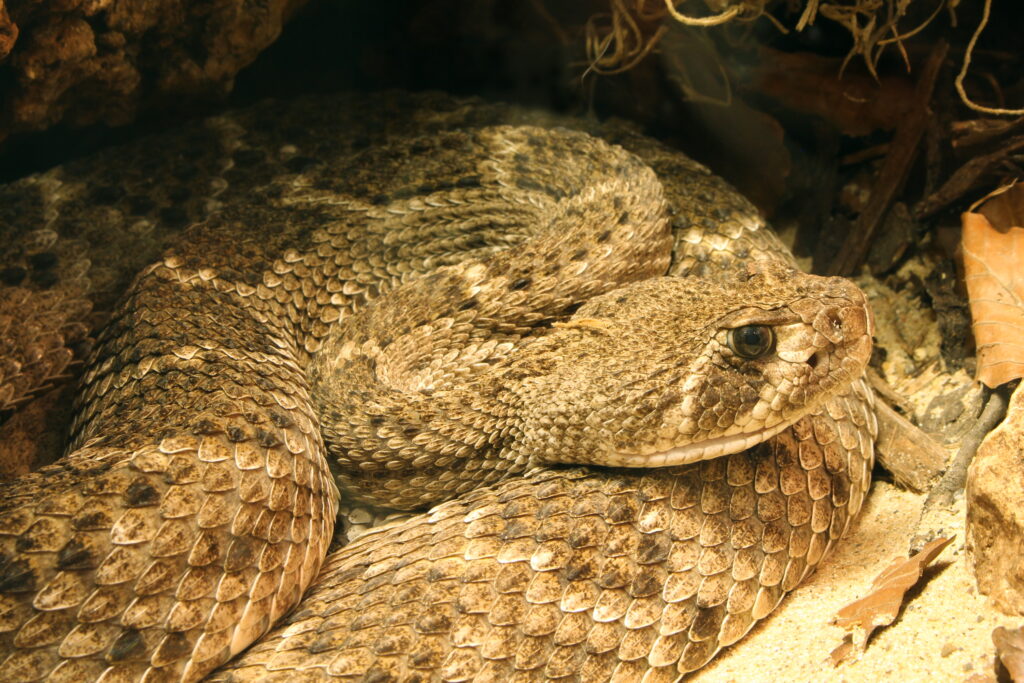
Rattlesnakes controlled rodents (rats, mice, young rabbits), which carried disease vectors long before anyone used that phrase. Farmers didn’t call this ecology. They called it balance. Their numbers fell sharply due to mechanized plowing, irrigation, and rodent poisoning. Like jackrabbits, rattlesnakes declined when the land stopped being edge and became system.
Bobcats
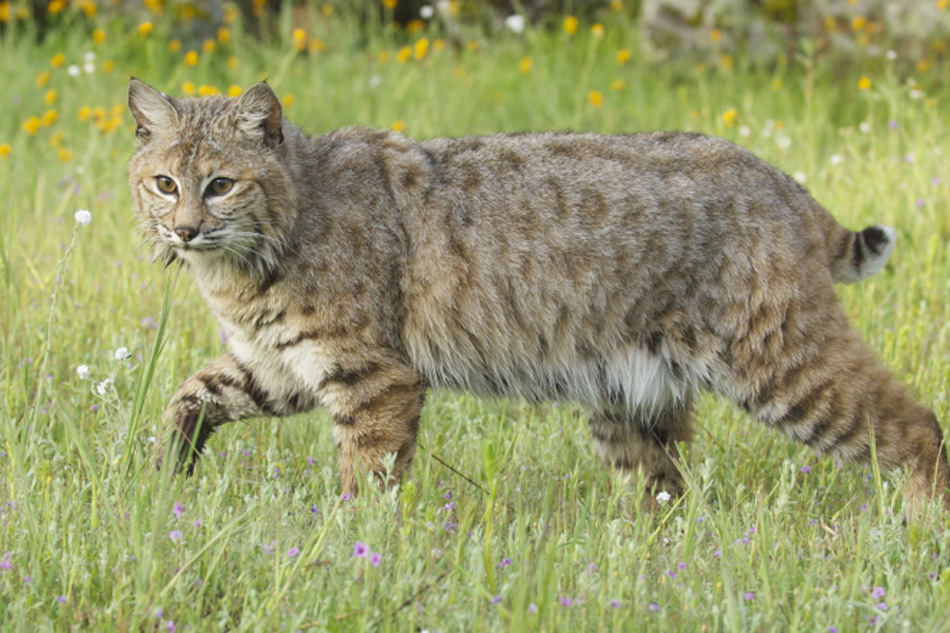
The bobcat has distinctive black bars on its forelegs and a black-tipped, stubby (or “bobbed”) tail, from which it derives its name. It reaches a total length (including the tail) of up to 50 inches. It is an adaptable predator inhabiting wooded areas, semidesert, urban edge, forest edge, and swampland environments. It remains in some of its original range, but populations are vulnerable to eradication by coyotes and domestic animals.
Though the bobcat prefers rabbits and hares, it hunts insects, chickens, geese and other birds, small rodents, and deer. Many a panhandle chicken has fallen prey to a bobcat!
Prey selection depends on location and habitat, season, and abundance. Like most cats, the bobcat is territorial and largely solitary, although with some overlap in home ranges. It uses several methods to mark its territorial boundaries, including claw marks and deposits of urine or feces. The bobcat breeds from winter into spring and has a gestation period of about two months.
Next dirt roads to travel:
The plants and animals around Brice are a very specific ecological mix — here are a few a few details about each plant of the area.
The Plants of Brice
Before we knew the names of things, we knew how they felt. We called them stickers— goatheads, sand burrs, anything sharp enough to stop a barefoot child mid-stride.
Stickers and Horny Toads
Antelope Flat functioned as a micro-community, even if it never incorporated or left much of a paper trail. It is what historians often call a service node rather than a town
Antelope Flat