The Civilian Conservation Corps (CCC) in this region
The Civilian Conservation Corps (CCC) was a New Deal public works program (1933-1942) that provided jobs for unemployed young men or farm workers during the off-season during the Great Depression. It put them to work on natural resource conservation projects like planting trees, building parks, and fighting fires, while also offering income, skill-building, and a sense of purpose. The program significantly helped in the developing America’s park systems and public lands. Its purpose was mainly to provide work relief for young men from relief families and to conserve natural resources. Most earned $30/month (most sent home), received housing, food, and clothing, and gained valuable work experience and education.
The CCC in the Panhandle
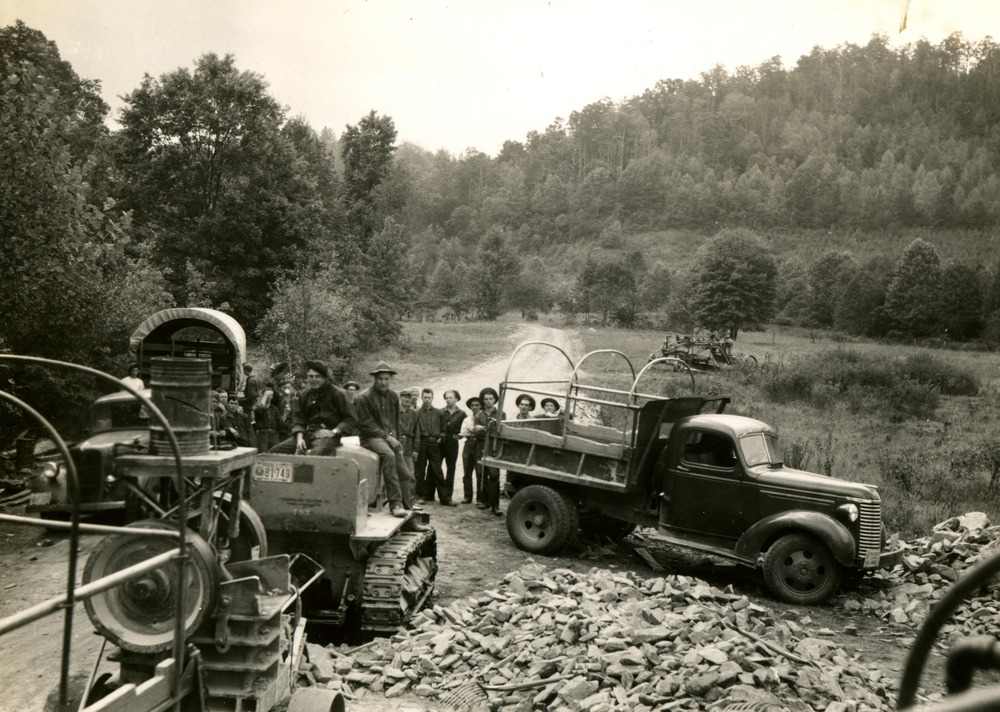
The CCC was very active across the Panhandle from 1933–1942, including Briscoe, Hall, Donley, and Randall counties. Typical CCC work locally included soil erosion control (terracing, contour plowing), windbreaks and shelterbelts, road and bridge construction, stock tanks and small dams, and park development (especially Palo Duro Canyon). People often participated “for a while,” and many men cycled in and out depending on farm needs, weather, and family obligations. The CCC is one of those quiet forces that reshaped the land without leaving many monuments—its work is still visible mostly in how the land didn’t blow away.
Next dirt roads to travel:
Gravity-fed fuel systems were common in automobiles before mechanical fuel pumps became standard in the late 1940s. On steep grades, fuel starvation could occur
Backing Up the Road
TX-256 is a state-maintained connector, upgraded mid-century. It crosses the Prairie Dog Town Fork of the Red River, and was rebuilt earlier than many county roads.
Highway 256 Bridge
Deep plowing after cotton harvest served to bury stalks for pest control, especially boll weevil. It also incorporated residue and to reset the soil surface.
Deep plowing after cotton