23 Miles NE of Silverton
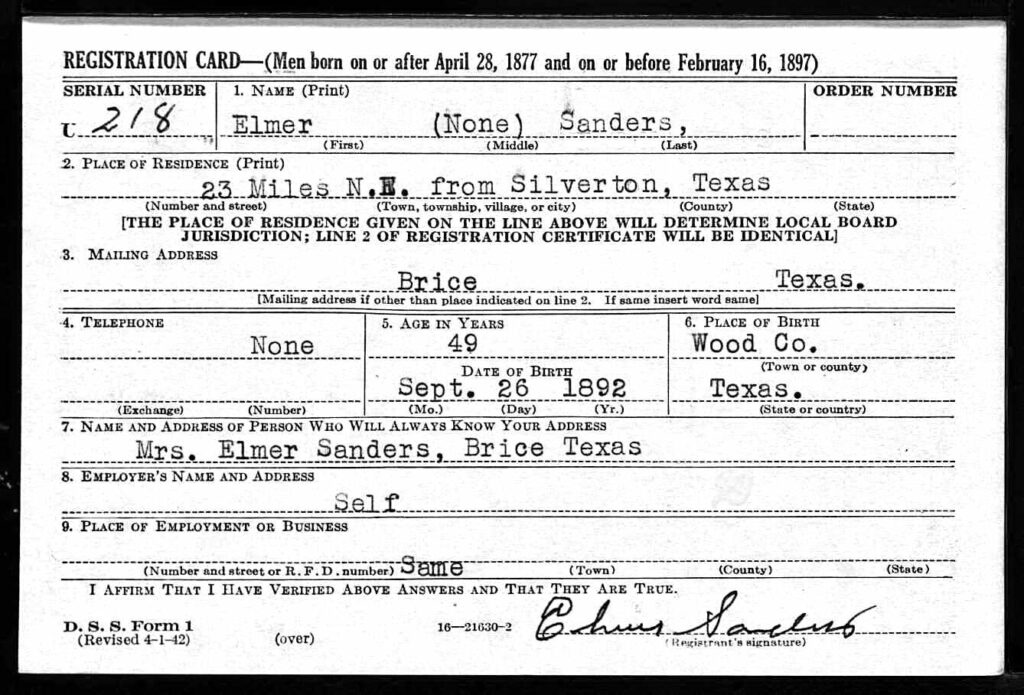
There are places that never learned how to stay on a map.
They lived instead in directions.
Not in a town, but from one.
Not named by incorporation, but by distance, memory, and need.
23 miles northeast of Silverton.
That was enough.
Enough for the census taker.
Enough for the draft board.
Enough for a family to build a life that did not require permission to exist.
The road did not announce itself. It bent when it needed to, narrowed when it must, and ended where the land said here. Telephone poles followed like stitches, evenly spaced, marking intention more than progress. Electricity came slowly, and sometimes not at all. When it did arrive, it hummed rather than shone.
Antelope Flat—sometimes with an s, sometimes without—was not confused about itself, even if the records were. It did not argue with spellings. It accepted presence. You lived there, or you didn’t. You crossed the river, or you waited. You learned where the ground gave way and where it held.
This was a place where gasoline was lifted by hand into glass bowls and poured by gravity into tanks, where engines depended on slope and foresight, where backing up a hill could be the difference between arrival and being stranded.
A place where water came from wind, not wires. Where a schoolhouse ran on a generator driven by the same air that shaped the land.
The bridge washed away when the river decided it had had enough of being crossed. For a while there was nothing—no bank, no structure—only the understanding that children could still wade where adults once drove.
That absence did not erase the place. It clarified it.
The fields taught their own curriculum.
Cotton rows in summer heat, hoes biting into packed soil, water carried in milk jugs that warmed by noon and tasted faintly of plastic and endurance. Johnson grass learned quickly that if you left even a piece of its root behind, it would return stronger, more certain of itself than before.
Stickers were not categorized. Goatheads, sand burrs—it didn’t matter. They went by a single name because the response was the same: stop, sit, pull, endure the needle, continue. Pain was not dramatized. It was handled.
Jimson weed was poison. That was the only explanation needed. It made cattle strange. That was enough reason to fear it. No one spoke of alkaloids or visions. That was city language. On the farm, knowledge was practical or it wasn’t knowledge at all.
Red ants arrived later. When they did, gasoline and fire were used with the same quiet decisiveness as the hoe. The problem was addressed directly. Nothing sentimental was added.
In the slower seasons, when fields slept or waited, hands turned inward.
Crochet hooks traced patterns that were never written down. Afghans and doilies grew outward from centers, repeating themselves without ever quite repeating themselves. No one called it mathematics. No one called it art. It was simply what hands did when they remembered how to listen.
Those hands would one day forget.
Disease would arrive without metaphor. Dexterity would leave. Memory would loosen its grip. One would lose language first, the other precision. The work of a lifetime would narrow to the work of being cared for.
And still—still—the record holds.
A census line.
A draft card.
An address that is not an address at all, but a sentence:
23 miles northeast of Silverton.
Next dirt roads to travel:
Lyrical essays are an intentional contrast to analytical essays. Lyrical essays border on poetry. However, the intention is the same; to inform and to encourage thought.
Lyrical Essay
Water arrived by effort. It did not come to the house; it was invited, persuaded, lifted. Essential. Life-giving.
Water, With Hands
When the bridge failed, it didn’t end visiting. It revised it. Cars came as far as they could. “We’re coming over. Meet us at the bridge.”
Meeting at the Broken Bridge