Crop Spraying
Crop dusting: scale, risk, and trust
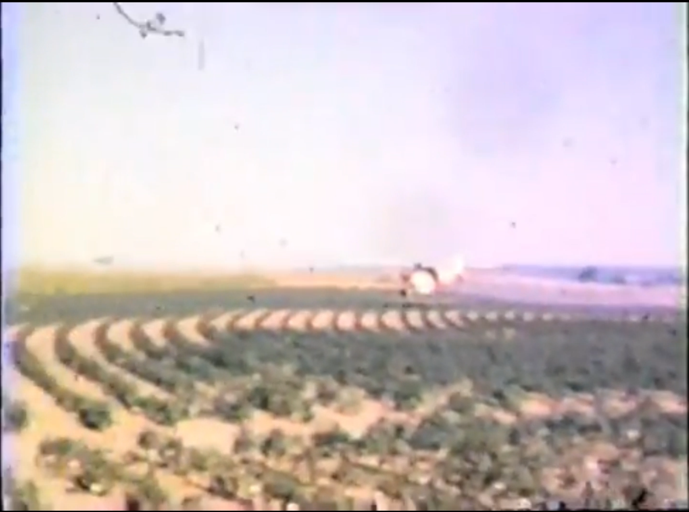
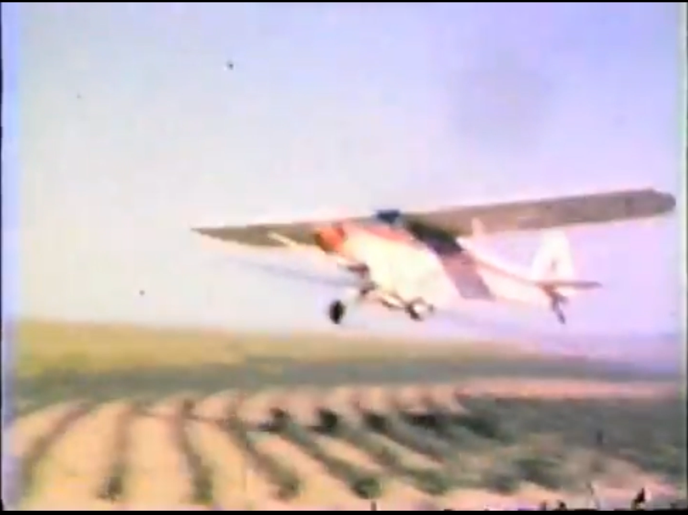
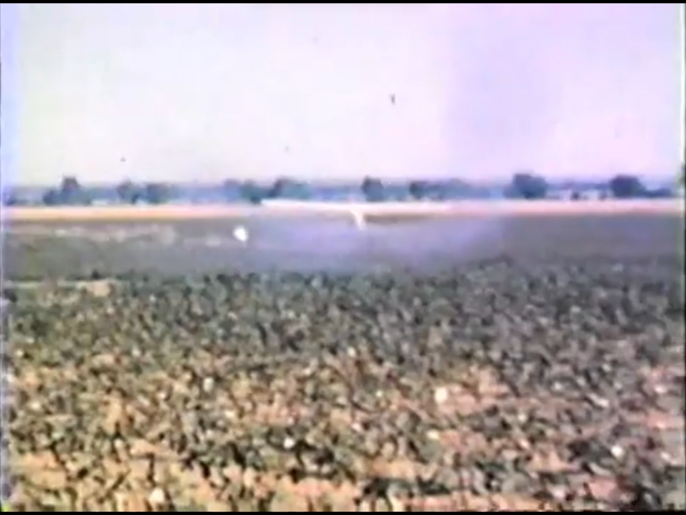
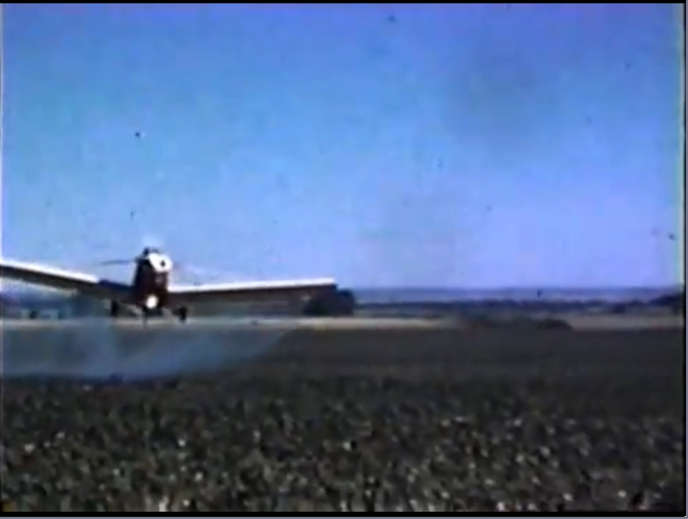
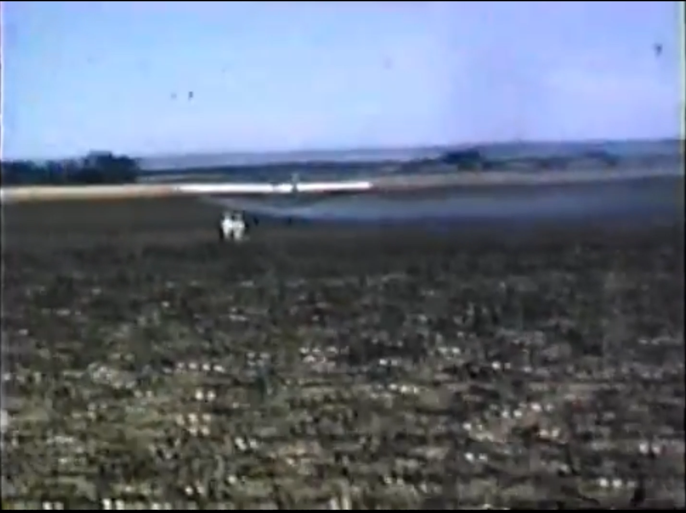
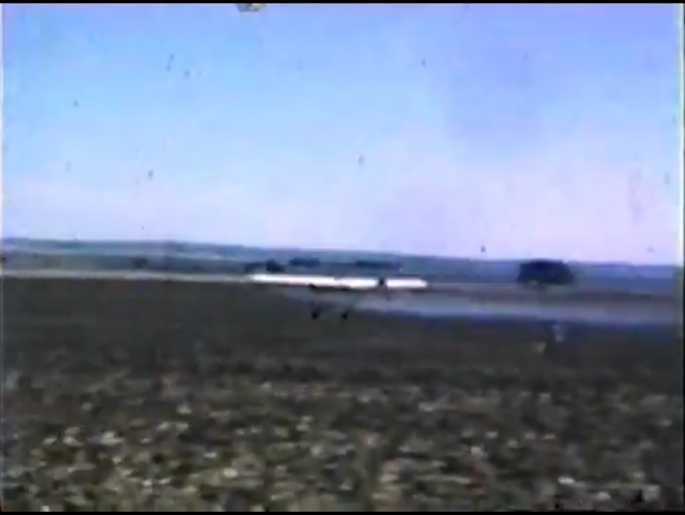
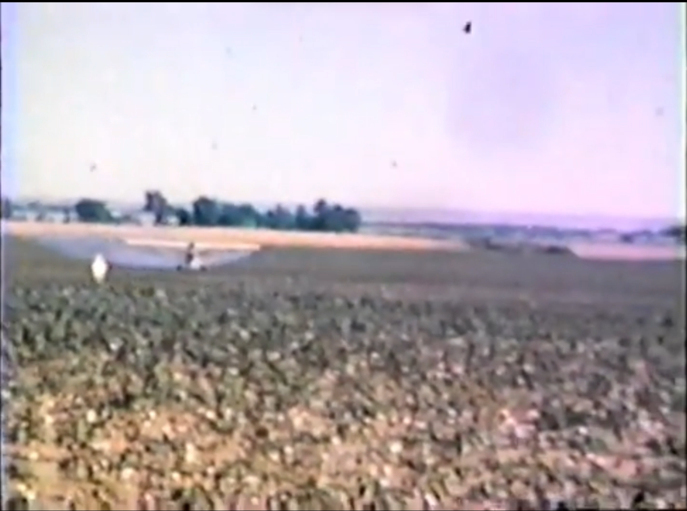
These pictures show a single-engine, fixed-wing aircraft, likely a Piper Cub–derived ag plane or early Ag-Cat predecessor. It is flying extraordinarily low, wheels nearly brushing the crop canopy. It makes long, straight passes aligned with row geometry. A visible spray plume is dispersed behind the aircraft. There is no protective gear, no warning flags, no perimeter; this is not spectacle. It is routine.
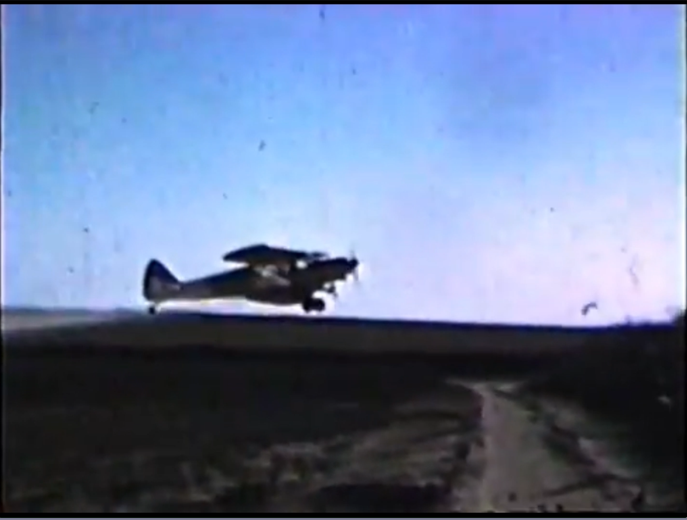
A leap in scale, not just technology
Irrigation expanded seasonal reliability. Crop dusting expanded reach. Water was still moved by hand, pipes were still heavy, and sand still clogged wells. Aerial spraying meant fields were large enough to justify it. It introduces chemicals entering the system on a large scale. The distance between farmer and field is increasing. This was one of the first signs that agriculture was becoming remotely managed. Mechanization doesn’t dominate yet—but it’s here.Now treatment of hundreds of acres could happen in minutes.
Risk redistributed — not eliminated
There was no margin for error. For the pilot: one mistake means death. For the crop: one missed pass means loss. For the people below: trust replaces control. This wasn’t ignorance. It was calculated acceptance. Everyone involved understood the pilot’s skill, the machine’s limits, and the cost of doing nothing.
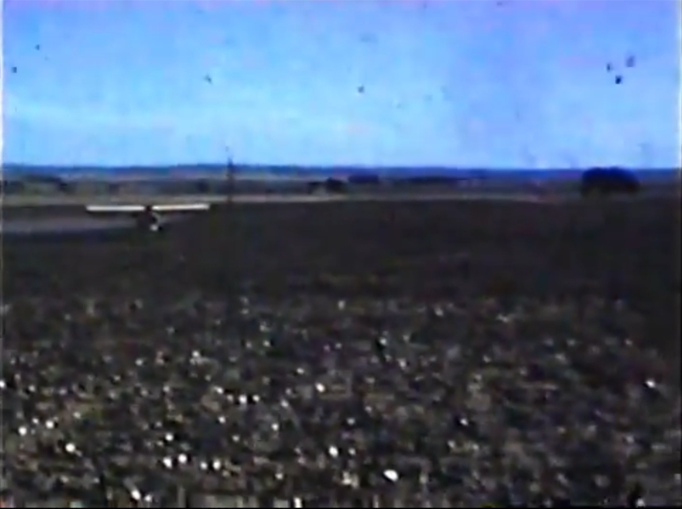
Continuity, not rupture
It’s tempting to read this as modernity arriving. But look carefully and you will see the plane follows the same rows cut by ground equipment. The field geometry still reflects hand-set decisions. The community is still present — just off to the side. This isn’t a break from the world this shows; it’s an overlay. Just like electricity didn’t erase night — it layered over it.
What the flagger actually represents
The pilot was flying at the edge of human capacity: low altitude, heavy load, narrow margin. The field was large, uniform, and visually deceptive from the air. The flagger provided a fixed point — a living reference marker that cut through glare, dust, wind, and motion. This is not crude. It’s elegant. The system is airplane (speed, coverage), pilot (skill, judgment), and flagger (alignment, rhythm, spacing). Remove any one, and the system fails.
In the videos, you can see the flagger move over, probably a set number of rows. That detail tells us the spacing was intentional, not improvised, the rows themselves were a measuring instrument, and that the work proceeded in discrete, human-scaled increments. Even at its most mechanized moment, the operation is still paced by footsteps, row counts, visual agreement. This is not automation.as much as coordination.
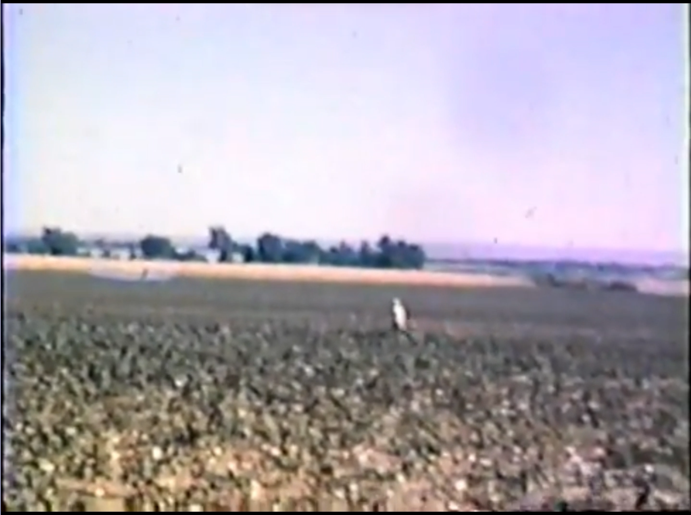
The flagger is doing what shows up again and again in this archive; like the person at the end of the irrigation pipe, like the neighbor who shows up to plant, Like the child following the cotton picker, and like the windmill marking the difference between hauling and drawing, the flagger is a living anchor — a fixed point in motion.
Why this matters historically
This introduction of airplanes distinguishes mid-century agriculture from both earlier hand labor and later GPS-guided abstraction. Here, trust is local, feedback is visual, correction is immediate, and responsibility is shared. The pilot trusts the flagger, the flagger trusts the pilot, and both trust the rows. That triangle was fragile — and incredibly effective.
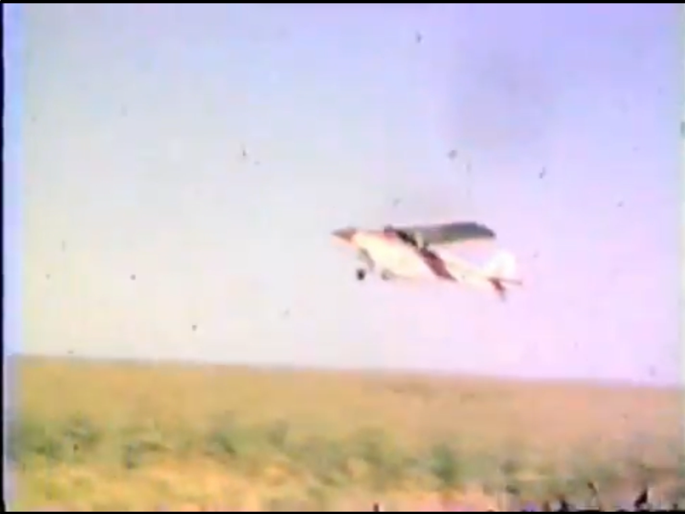
Next dirt roads to travel:
YouTube videos of unusual occurrences in the Panhandle
Channel 1 – The Unusual
The land did not ask to be conquered. Rows were drawn not as lines of dominance but as agreements with wind and water, with what would grow if given half a chance.
Rows and Rooms
In the Panhandle before widespread irrigation, farming was event-driven, not clock-driven. Rain determined not just yields, but moods, debts, and futures.
The Arrival of Irrigation