Moving Pipe
The Ogallala Aquifer, one of the world’s largest freshwater sources, lies beneath the U.S. Great Plains, serving as a vital water supply for agriculture, homes, and industry across eight states, It is rapidly depleting because withdrawals far exceed natural recharge, leading to “mining” of ancient water, threatening future sustainability and necessitating conservation efforts and smarter management to avoid severe impacts on rural communities and farming. The aquifer isn’t a cavern. It’s water held in sand and gravel.
Early wells often lacked modern screens, and high drawdown could pull sand into the line. Sand would accumulate invisibly until—suddenly—nothing wanted to move. Opening the end plug to flush the line wasn’t a workaround. It was a routine requirement with irrigation. Remembering pipes becoming too heavy to move tells us that labor was physical and shared. Irrigation didn’t eliminate hardship—it redistributed it across time.
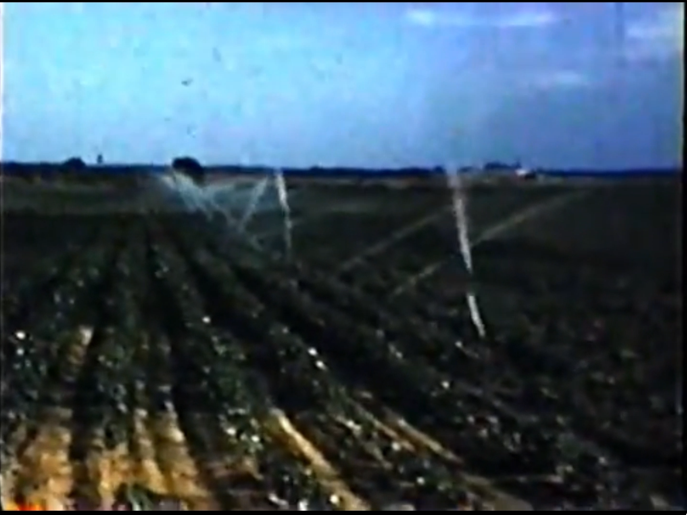
Irrigation, sand flushing, moving pipe
Sprinkler irrigation led to control over water. Sand flushing created knowledge of the aquifer. Aluminum pipe required human-scaled infrastructure. Morning and evening moves dictated time discipline. This is where farming stopped being seasonal and became continuous responsibility. The family is the machine. No hired crews. No automation. Just bodies, timing, and attention.
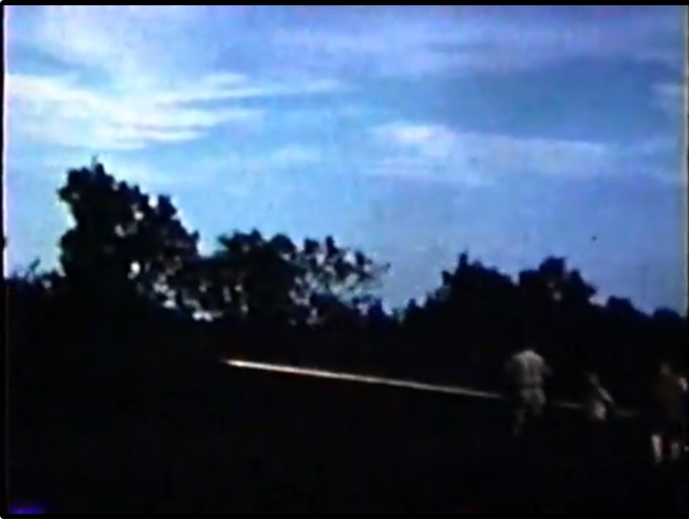
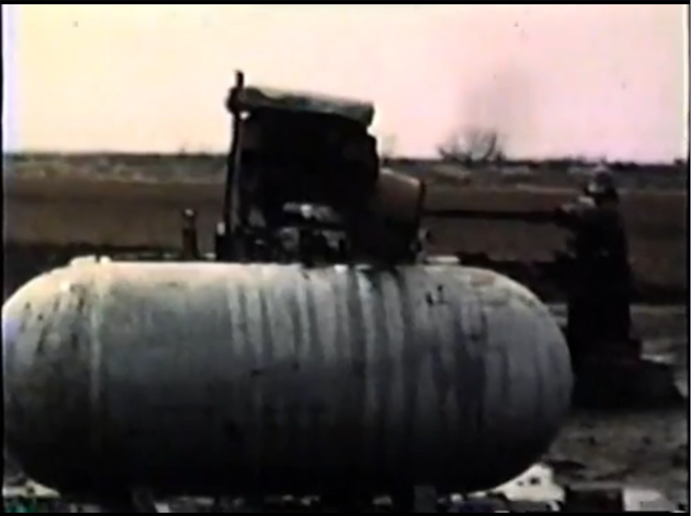
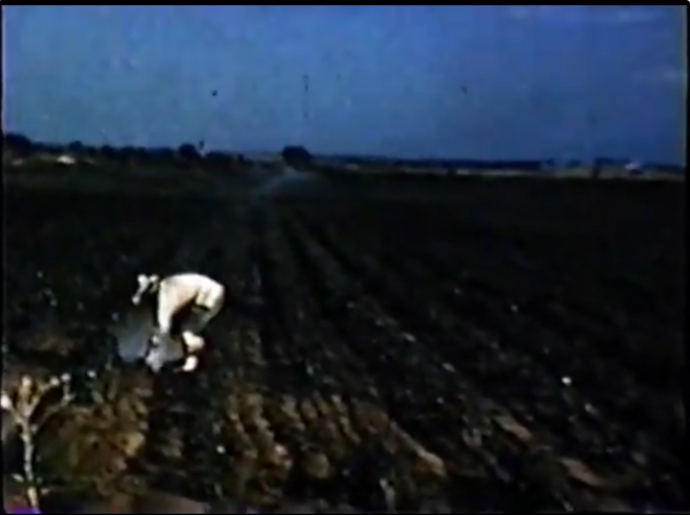
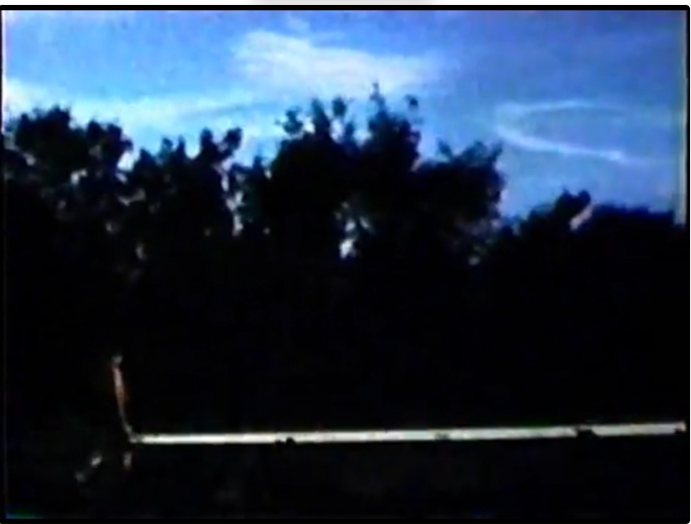
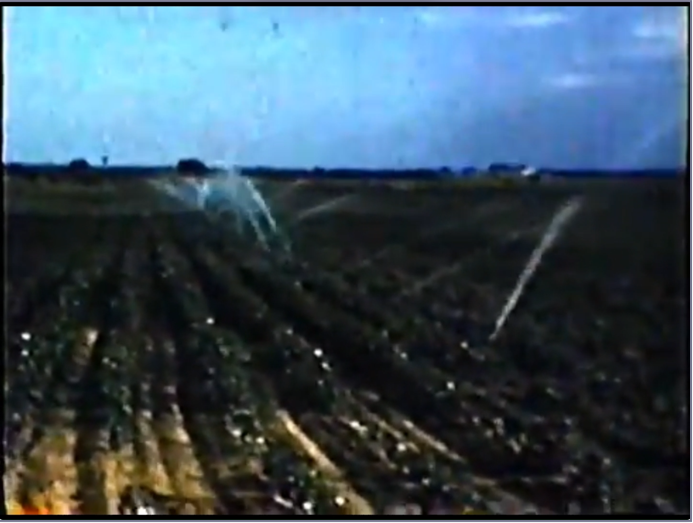
This was the pivot.– “Pivotal like a sprinkler head” — This is where weather stops being fate and becomes labor. These pictures are probably from about 1955. The pictures were probably taken because irrigation was new enough to be notable. (“I can’t imagine any other reason to be taking pictures of it”). Irrigation itself was the subject, not crops, not scenery, not people. The camera was documenting a system change. This is a hinge year.
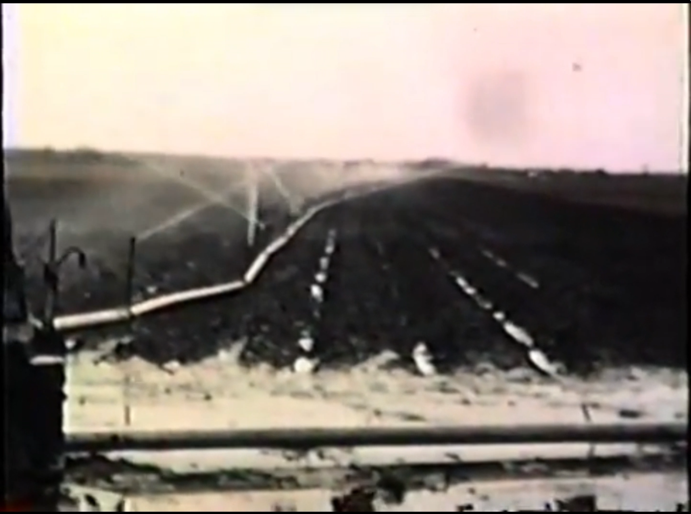
Wells pumping sand
“Sometimes it would [pump a lot of sand].” This indicates shallow or unconsolidated aquifer material, early well screens that were imperfect, and technology that was still catching up to geology. Sand was not an inconvenience — it was a system threat.
Why the pipes became unmovable
“Have to wash them lines out… otherwise they’d be too heavy.” Aluminum pipe was light until sand accumulated, water settled and the weight multiplied. This turned irrigation from “just turning on water” into continuous bodily maintenance.
The end-plug ritual
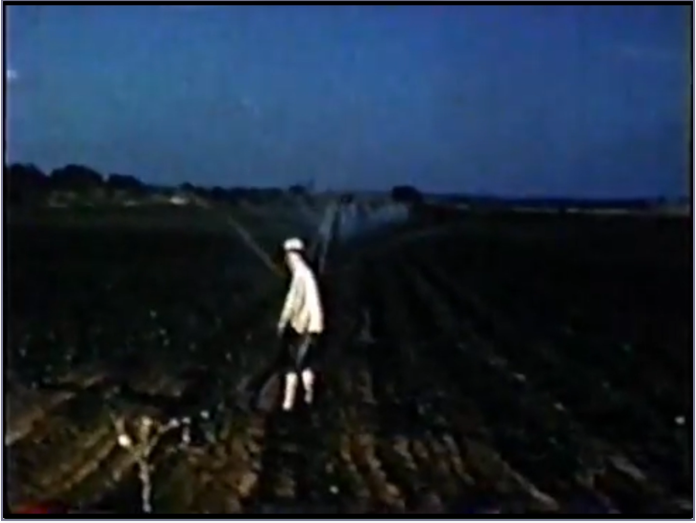
“You had a screw tor valve so that you could open up the plug… let it wash out until you got around.” This is not in manuals. This is field knowledge. It tells us that systems were designed assuming human intervention. Flushing sand was built into daily practice. Irrigation was not yet automated — it was participatory.
Why you had to start at the “front end”
This question is deceptively sharp: “Why didn’t you start at the back end to see if there was sand in the pipe?” You had to start up at the front end because if it didn’t align when you got to the feeder, you had to start over. then you had to move all the rest of them back.”
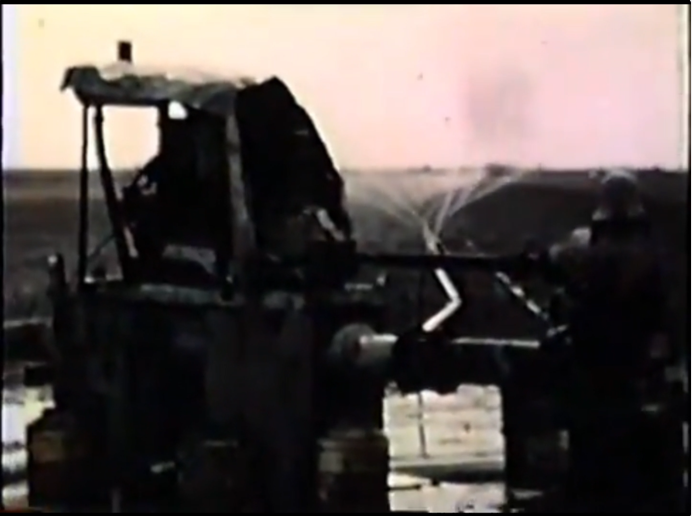
This tells us irrigation dictated sequence, sequence dictated time, and time dictated daily rhythm. Once irrigation arrived, the day was no longer elastic. You didn’t water when you felt like it. You watered because the system demanded it.
Next dirt roads to travel:
Thsse pictures were probably taken because irrigation was new enough to be notable.. Irrigation itself was the subject, not crops, not scenery, not people.
Daily Irrigation
In the Panhandle before widespread irrigation, farming was event-driven, not clock-driven. Rain determined not just yields, but moods, debts, and futures.
The Arrival of Irrigation
YouTube videos of irrigation.
Channel 2 – Irrigation