The Arrival of Irrigation
Before irrigation: dryland life
In the Panhandle before widespread irrigation, farming was event-driven, not clock-driven. Rain determined not just yields, but moods, debts, and futures. Work clustered around planting, cultivating, and harvest—with long stretches of waiting. People didn’t “manage water.” They endured weather.
The moment irrigation enters (roughly 1940s–1950s)
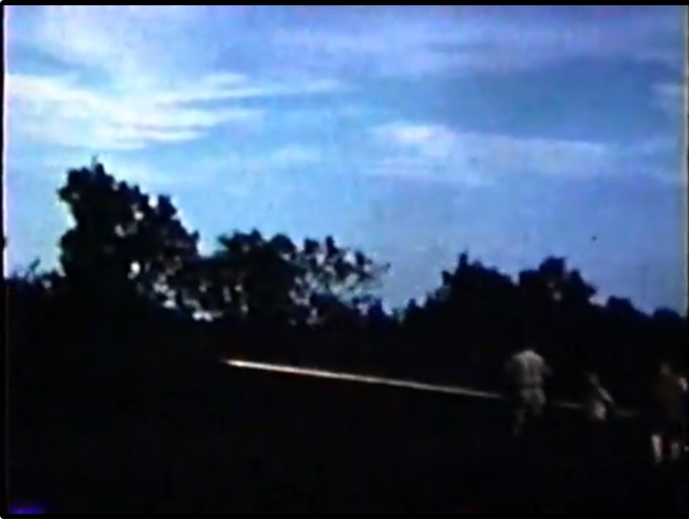
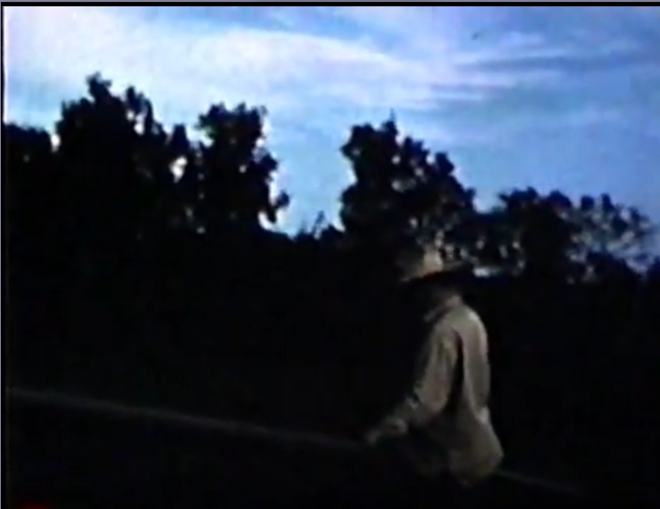
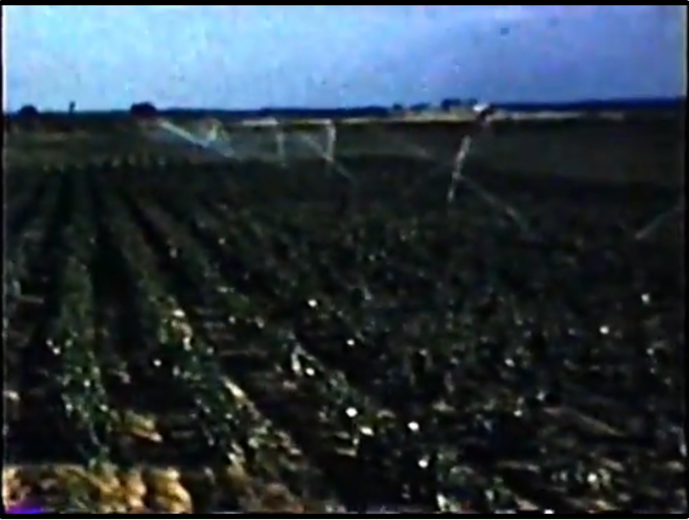
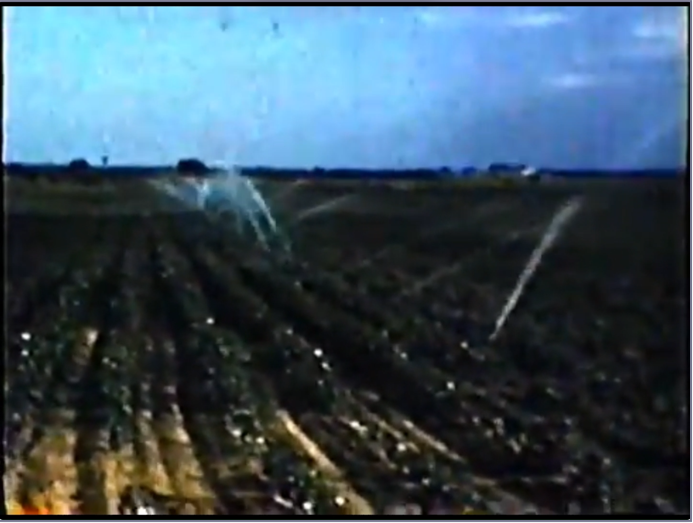
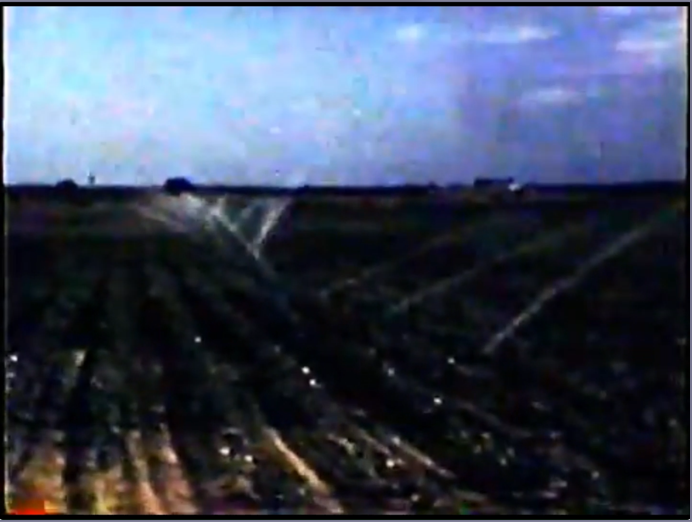
What changes isn’t just yield—it’s responsibility. Once a well is drilled into the Ogallala, you’ve made a promise to the land. You now owe it attention, labor, maintenance, electricity, diesel, pipe, fittings, and water becomes something you can fail to provide. This is where moving pipe every morning and evening mattered deeply. That labor pattern tells us this was pre-center-pivot and pre-automation. It was done with aluminum pipe, couplers, risers and sprinklers that were sized for manageable pressure, not efficiency. It was a system that worked, but only if humans showed up—twice a day, every day.
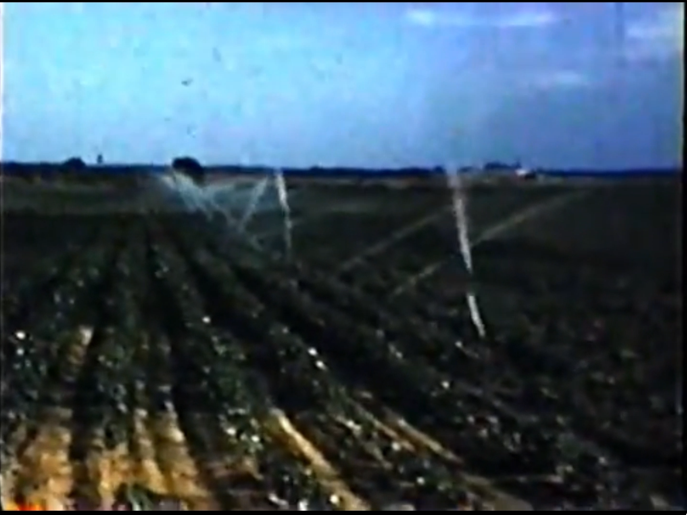
The cultural shift
This was the quiet revolution. Dryland farming said: “We’ll see.” Irrigated farming said: “We must.” Children become essential again—not for novelty, but for necessity. Families reorganize their days around pumps and pressure. Towns like Clarendon grow more important because pumps break, engines fail, and parts are needed now, not next week. Irrigation didn’t just change fields. It tightened the weave between farms and towns.
Before irrigation, weather decided, people adapted, and cooperation absorbed shocks. After irrigation, water is available, but only if pipes are moved, sand is flushed, and timing is obeyed. This was the trade: less risk from drought and more obligation to the system. That obligation showed up as morning and evening pipe moves, heavier labor, not lighter, and less flexibility, not more.
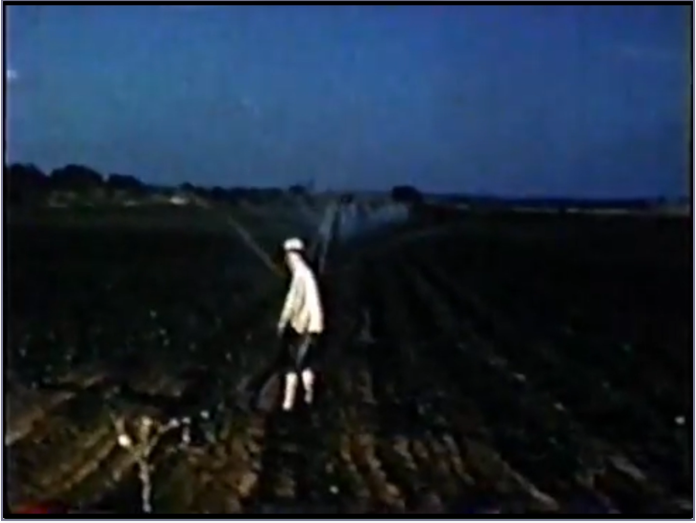
Why this changed everything that came after
Irrigation led to specialization, fewer people, more machinery, and less shared time. Irrigation didn’t just water crops. It restructured time, bodies, and responsibility.
Next dirt roads to travel:
YouTube videos of irrigation.
Channel 2 – Irrigation
Water arrived by effort. It did not come to the house; it was invited, persuaded, lifted. Essential. Life-giving.
Water, With Hands
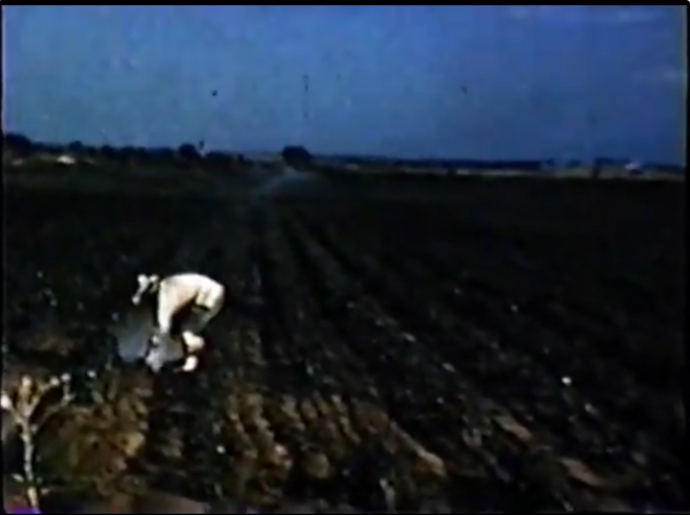
Morning and evening moves of irrigation sprinklers dictated time discipline. This is where farming stopped being seasonal and became continuous responsibility.
Moving Pipe