The Fractal Town
A town is not a point.
It is a pattern.
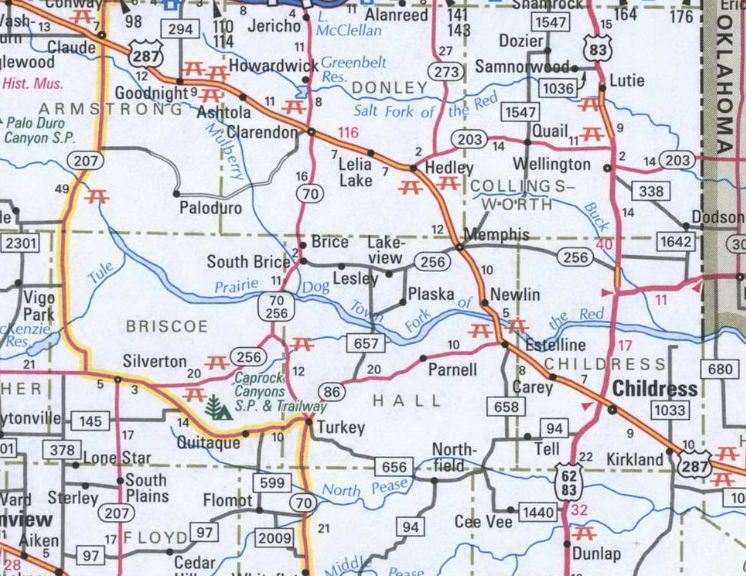
Brice was a household.
Clarendon was a room.
Lakeview was a hallway.
Memphis was a door.
None sufficient alone.
All necessary together.
At the smallest scale:
a family shares labor, food, memory.
At the next:
neighbors share roads, windmills, brands, weather.
Then towns share roles —
one holding records,
one holding grain,
one holding quiet.
Zoom out and the pattern repeats.
Amarillo becomes a Clarendon for the Panhandle.
Texas becomes a Lakeview for the nation —
production, movement, exchange.
The United States becomes a Brice for the world —
vast, resource-rich, unfinished,
still learning how to live inside its own abundance.
Same structure.
Different scale.
This is the fractal truth:
what fails at the small level
cannot be repaired at the large one.
If a household forgets care,
a nation cannot invent it later.
If a town forgets responsibility,
a state cannot legislate it back into being.
But if integrity exists in the smallest unit —
a family that shows up,
a class of thirteen that still gathers,
a man who knows which end of the pipe to watch —
dirt roads to travel then that integrity echoes upward,
self-similar,
scale by scale.
Next dirt roads to travel:
Lyrical essays are an intentional contrast to analytical essays. Lyrical essays border on poetry. However, the intention is the same; to inform and to encourage thought.
Lyrical Essays
The land did not ask to be conquered. Rows were drawn not as lines of dominance but as agreements with wind and water, with what would grow if given half a chance.
Rows and Rooms
In the Panhandle before widespread irrigation, farming was event-driven, not clock-driven. Rain determined not just yields, but moods, debts, and futures.
The Arrival of Irrigation