The Plants of Brice
Plants of the Brice Area
The plants and animals around Brice are a very specific ecological mix — one that only really makes sense on the southern High Plains / Red River breaks, where short-grass prairie, sandy draws, and disturbed farmland overlap. It’s an edge ecology where prairie meets disturbance, where people, cattle, water, and weeds overlap Here are a few a few details about each plant of the area.
Mesquite
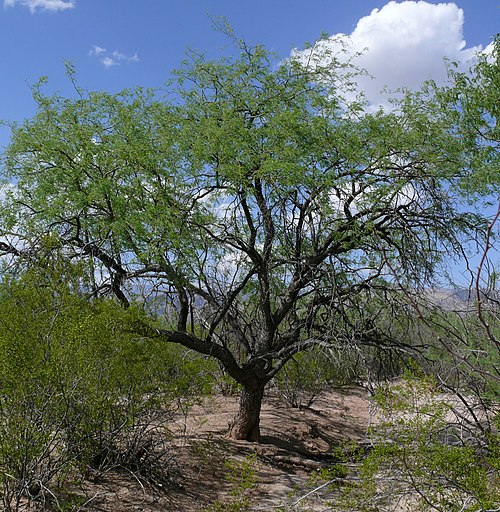
Mesquite is a tree, not a bush — but one that behaves like a bush when cut or grazed. It has a deep taproot that can reach 100+ feet. It is a nitrogen fixer that converts inert atmospheric nitrogen gas into usable forms like ammonia or nitrates, enriching the soil for other plants. It thrives in disturbed soils. Mesquite expanded aggressively after fencing and fire suppression. Older generations often remembered when it wasn’t there yet — which tells you something about land-use change.
Sand burrs
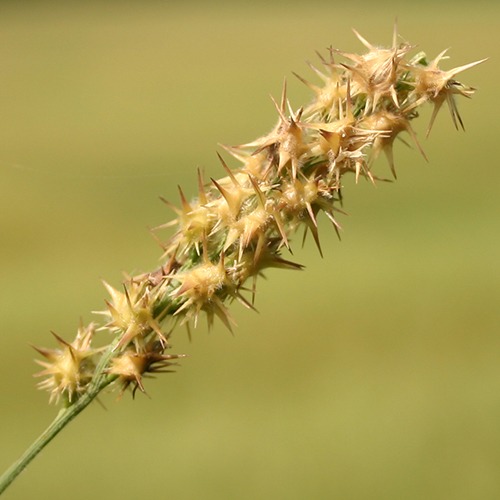
Sand burrs (Sandbur grass) is a native grass with seed burrs designed to hitch rides. It provides punishment for anyone walking barefoot and spreads its seed by hitching a ride with clothes and socks. It is one of the first plants to grow in disturbed sandy soils — roadsides, field edges, cattle paths.
Goatheads
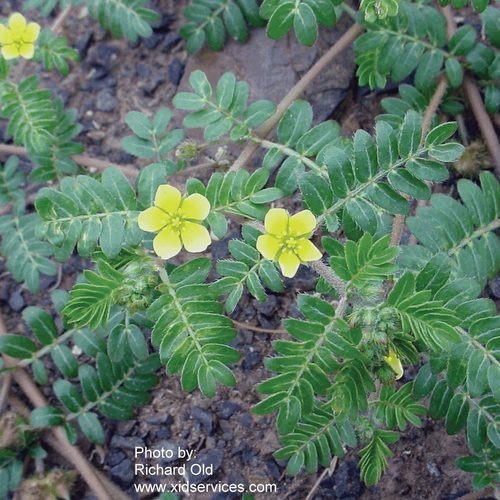
Goathead (Puncturevine) is an invasive, and is not native. It came west with railroads, wagons, and vehicles. It grows flat to the ground, has many leaves along each stem, and has small yellow flowers that turn into its seed (the goathead, named for it resemblance to a goat’s horns). The thorn is very hard and was also a nemesis of the barefoot. If tires or inner tubes were thin, it could puncture them.
Cockleburr
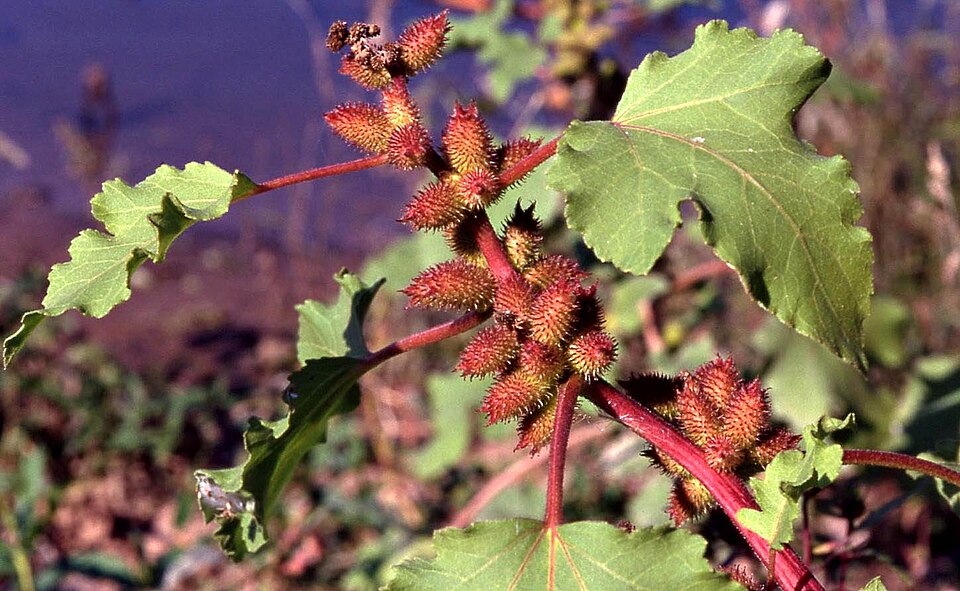
Cocklebur (Xanthium strumarium) was less painful than other stickers — but sneakier. It had large, rough burrs with hooked spines. It would cling to clothes, socks, dog fur, and cattle hides. It was a nuisance weed rather than a field-killer. Cockleburs didn’t usually ruin crops, but they traveled — home, barn, bed, truck seat. They remind me of the things that don’t hurt much, but refuse to stay where they belong.
Sand burrs and goatheads were “stickers”. No one differentiated. Pain didn’t need taxonomy. A sticker meant that Grandma got the needle and there was a ritual extraction. That’s prairie medicine, learned early.
Jimsonweed
Datura, Jimsonweed or loco weed (Datura stramonium) is a native annual with large white trumpet-shaped flowers. It has spiny seed pods. It grows near corrals, tank edges, manure-rich soils — human-adjacent wilderness. It is highly toxic, hallucinogenic, medicinal and dangerous.
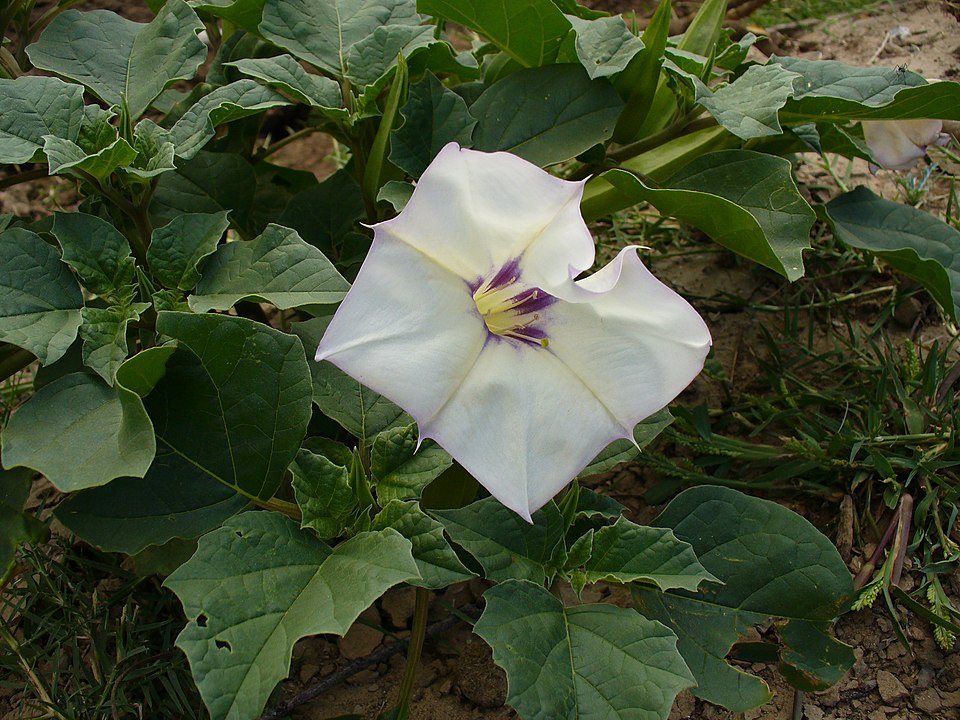
Jimson weed was feared, not studied. It was known locally only as poison. It was especially dangerous to cattle and was associated with erratic behavior (“crazy cows”). No one talked about alkaloids or hallucinations. That was city knowledge. On the farm, the rule was simpler — if it makes the animals sick, keep it out of the field.
Devil’s Claw
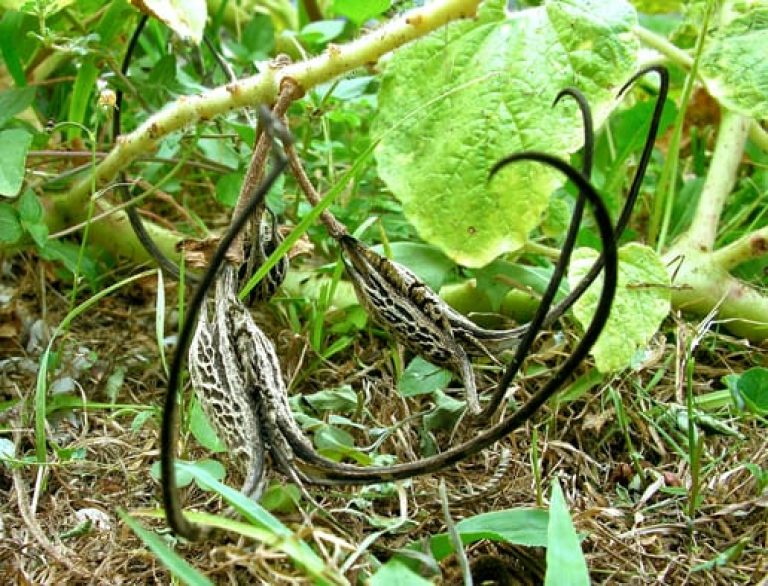
Devil’s Claw is a native Low-growing plant with hooked seed pods. These seed claws are unforgettable for their shape and for how they will hook around an ankle. It was used by Indigenous peoples for medicine and basketry dyes. Devil’s claw seeds are not poisonous and were sometimes chewed experimentally and were used in folk remedies. The seeds were handled constantly as they were hard to resist fiddling with. It is an annual plant found in arid areas that produces sticky leaves, orchid-like pink or lavender flowers, and distinctive curved, hooked seedpods; it’s drought-tolerant and thrives in full sun in sandy or gravelly soils.
Buffalograss
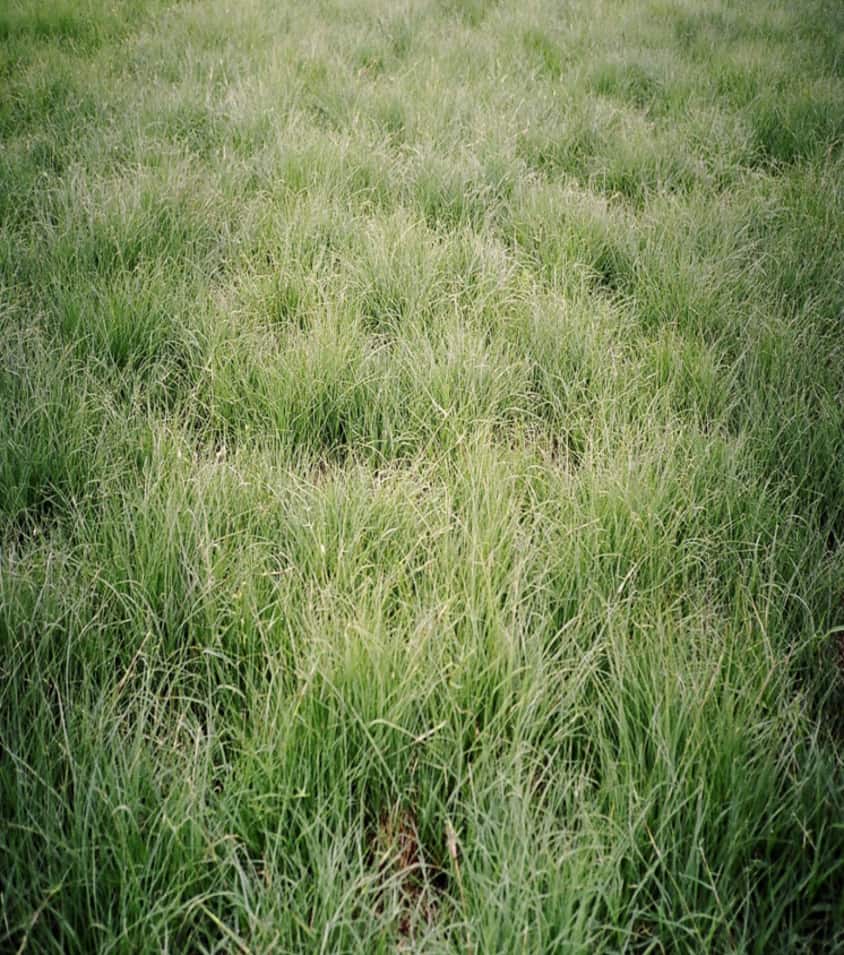
Buffalograss is the real native lawn of the High Plains. It is short, curly, tough and is under nearly everything. It is yellow-green, curly, low and soft when healthy. It turns straw-colored in drought. Buffalograss is a warm-season, perennial native grass that forms a sod and the mature height is generally 8 inches or less. Buffalograss is native to the Great Plains from Canada to Mexico. Buffalograss is a dioecious species having separate male and female plants. The male plant, when flowering, has an erect stem with a flag-like spike. The female plant forms a burr below the canopy which contains and the seed.
Tumbleweeds
Tumbleweeds are iconic, wind-blown plants, primarily the invasive Russian thistle (Salsola tragus). They dry out, break from their roots at maturity, and roll, dispersing seeds across the landscape. They symbolize desolation in pop culture but act as agricultural pests and fire hazards. They grow as green shrubs, then die, dry, and detach at the base, becoming a skeletal ball of branches.
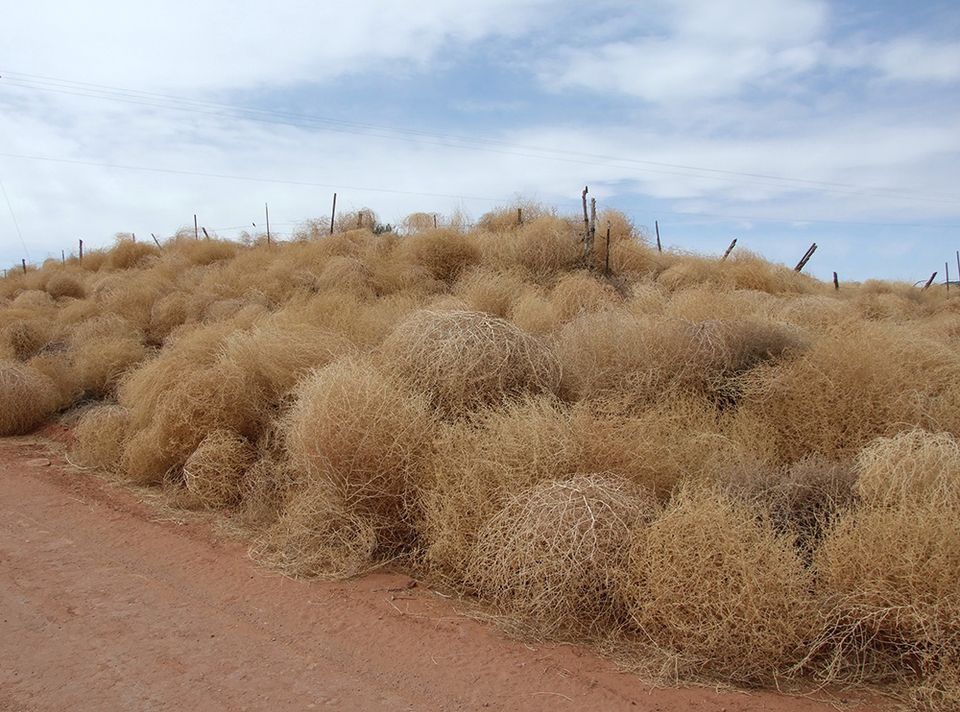
Introduced accidentally from Eurasia, they thrive in disturbed soils, releasing up to 250,000 seeds per plant and posing challenges for farmers. The most common tumbleweed, Russian thistle, arrived in the U.S. in the 1870s via flax seed shipments from Russia. It become one of the fastest plant invasions in U.S. history. At one time, their tender shoots were once used for emergency forage during the Dust Bowl. Classified as an invasive species, they are detrimental to agriculture and native plants. Their dry, bushy nature makes them highly flammable, contributing to wildfire spread. Despite being pests, they are a famous symbol in Western movies, representing emptiness or isolation, and even used for holiday decorations.
Blue grama
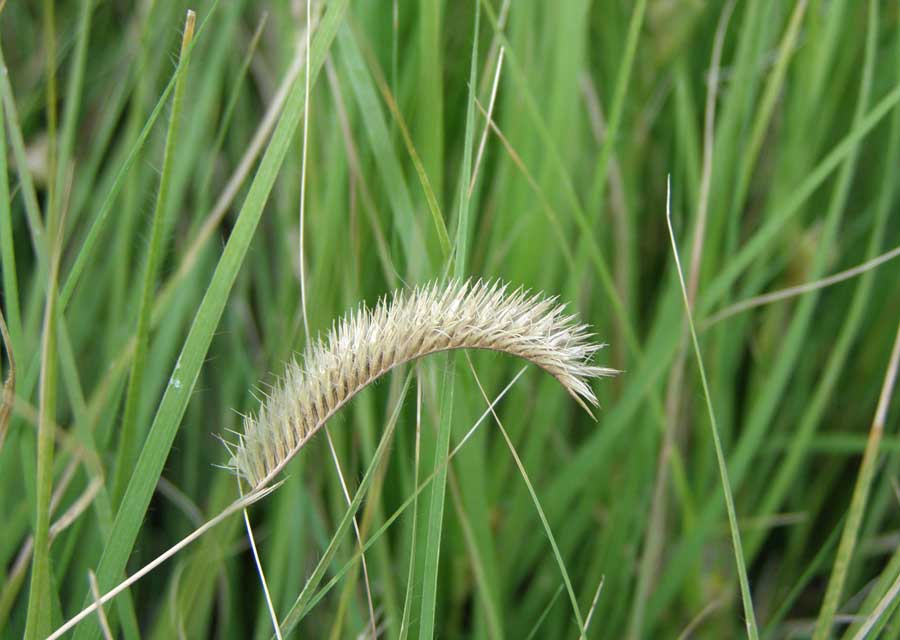
Blue grama was almost wheat-like. It had one-sided seed heads (“eyelashes”). It was an iconic shortgrass prairie species. Blue grama accounts for most of the net primary productivity in the shortgrass prairie of the central and southern Great Plains. It is a green or greyish, low-growing, drought-tolerant grass with limited maintenance.
Prickly pear cactus
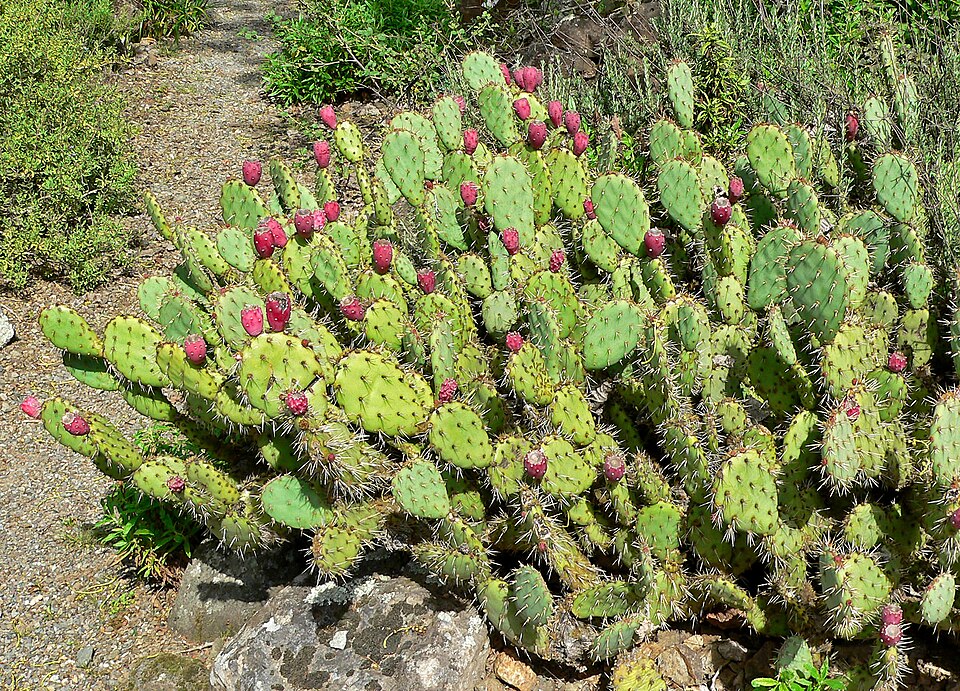
Prickly pear cactus was very widespread across Texas and the southern Plains. It sows up anywhere with good drainage, sun, and grazing pasture. It’s one of those plants that quietly says, “Yes, people have been here a long time.” It had edible pads and fruit if you know how and is said to have been fed to livestock to survive during lean years. It also provided for childhood dares and livestock respect. It is the most widespread cactus genus, thriving in diverse arid, semi-arid, and even sandy coastal/prairie habitats, with many species extending far north.
Yucca
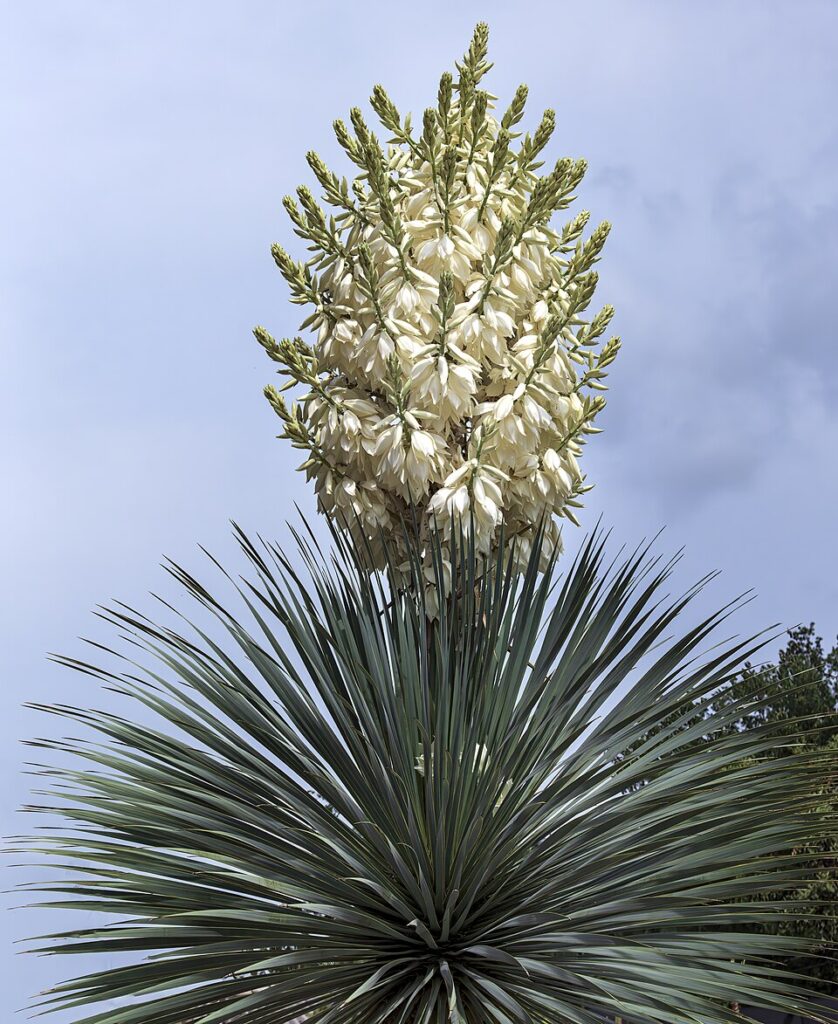
Yucca (soapweed) had a basal rosette of dagger-like stiff leaves and a tall flower stalk, sometimes 6–10 feet tall. When in bloom, it had big white bell-shaped blooms. Flowers often coincided with wet years — so people noticed; it was a calendar plant whether folks knew it or not.
Yuccas are perennial plants with long, pointed sword shaped leaves in one or more rosettes, circular arrangements of leaves. Usually the leaves are stiff and fibrous, but a few species have fleshy leaves. The leaves are numerous and arranged in spirals at the ends of stems or branches. Plants can be small shrubs or large resembling trees. The surface of the leaves are hairless, but some have a very rough surface.
Plains sunflower
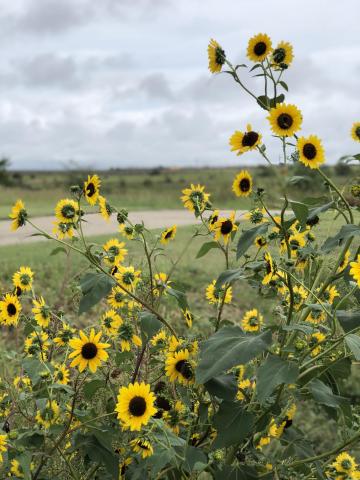
Plains sunflower provided gold flashes after rain. It was often along roads and draws. These sunflowers are commonly found growing in sandy areas. They can also be found in heavy clay soil and in dry prairies. They are unable to grow in shady areas; they need to be in direct sunlight. Prairie sunflowers require dry to moist soil. This species of sunflower is an annual flower, blooming between June and September.
Johnson grass
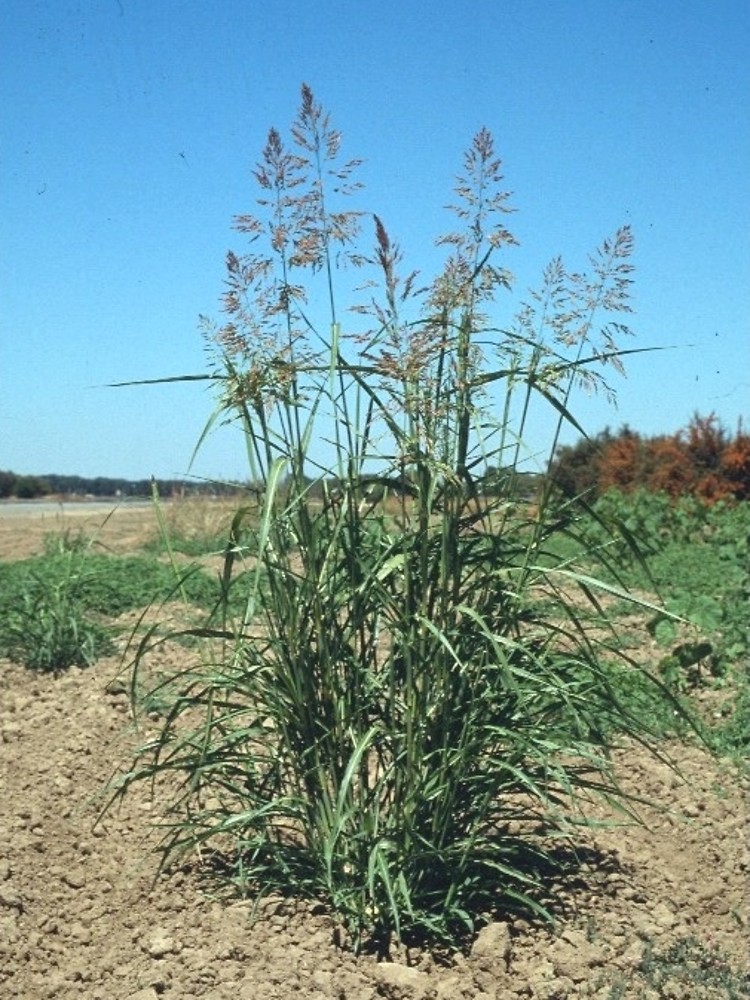
Johnson grass (Sorghum halepense) was a true adversary. It was tall, fast-growing, and relentlessly persistent. It had a fang-like taproot that was thick, white, and regenerative; if even a fragment remained, Johnson grass came back stronger. Farmers hated Johnson grass not because it was ugly, but because it stole water and nutrients at exactly the wrong time — mid-season, when cotton was setting its future. Hoeing Johnson grass wasn’t cosmetic; it was survival.
Next dirt roads to travel:
The plants and animals around Brice are a very specific ecological mix — where short-grass prairie, sandy draws, and disturbed farmland overlap.
The Animals of Brice
Before we knew the names of things, we knew how they felt. We called them stickers— goatheads, sand burrs, anything sharp enough to stop a barefoot child mid-stride.
Stickers and Horny Toads
Antelope Flat functioned as a micro-community, even if it never incorporated or left much of a paper trail. It is what historians often call a service node rather than a town
Antelope Flat